Polokwane: Where to Stay and What to Do in Limpopo
Polokwane, the capital of Limpopo, blends urban convenience with easy access to safari experiences, cultural sights, and regional cuisine. A well-planned stay can range from comfortable city-centre boutique stays to lodge-style retreats on the edge of nature. When choosing accommodation in Polokwane, consider what you most value: proximity to the airport and CBD amenities, a peaceful garden setting, or easy access to surrounding nature reserves and day-trip attractions.
Areas to consider for your stay
Central Polokwane offers easy access to shops, markets, and cafes, with most establishments within a short taxi or drive. The CBD area is convenient for travellers who want to stroll to eateries and nightlife, while still being within reach of major roads for day trips. Suburban pockets such as Fairways and Bendor provide a more residential feel and often quieter streets, with a range of guesthouses and boutique lodges set in garden surroundings. For those seeking a more lodge-like atmosphere without sacrificing accessibility, perimeter neighbourhoods near the service routes to the game reserves can be a good compromise.
What to look for when booking
- Security and parking: verify on-site parking or secure street parking, and ask about 24-hour security if you’ll be returning late.
- Amenity mix: consider whether you want on-site dining, a pool, laundry facilities, or a fully equipped kitchen in a guesthouse.
- Room configuration: families may prefer interconnecting rooms or larger suites; business travellers may value a work desk and reliable Wi‑Fi.
- Meal options: breakfast included can simplify mornings; some lodges offer dinner options or collaborations with nearby restaurants.
- Transport access: easy routes to the airport, car rental desks, and taxi or ride-hailing services can save time during itineraries.
Typical amenities you might encounter
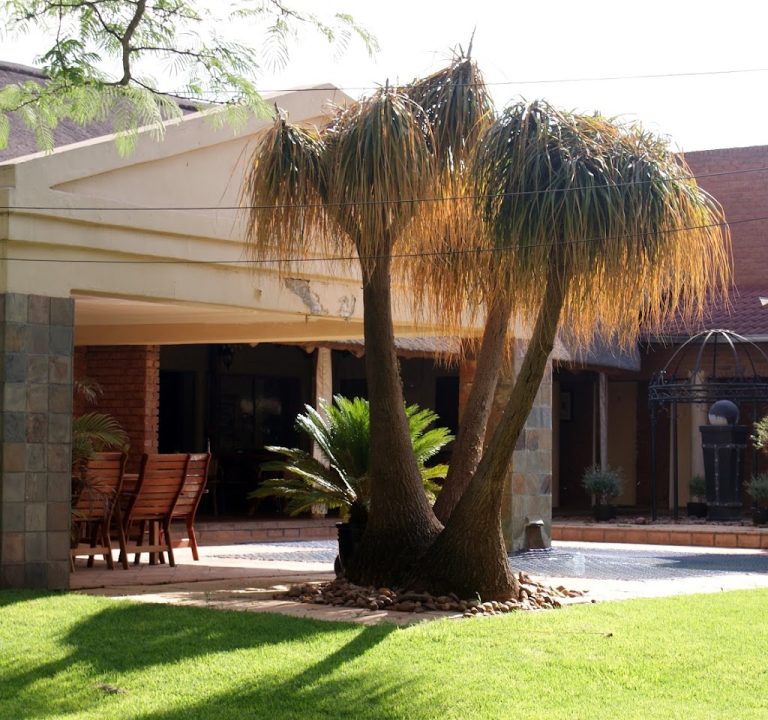
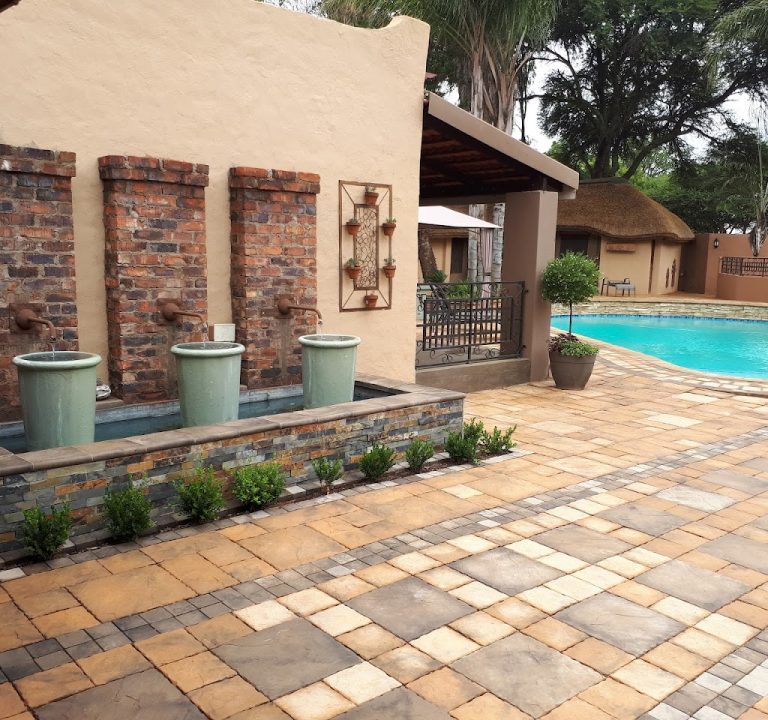
Most accommodation in Polokwane offers en-suite bathrooms, air conditioning or fans for seasonal comfort, and at least a handful of power outlets in rooms. Many lodges and guesthouses provide secure parking, complimentary Wi‑Fi, and daily housekeeping. A refreshing pool and garden spaces are common, especially in properties located outside the bustle of the CBD. If breakfast is offered, expect a home-style or continental spread with fresh fruit and hot options. Some properties also feature communal lounges, outdoor patios, and barbecue facilities for a relaxed evening meal.
Transport and getting around
The easiest way to explore Polokwane and its surrounds is typically by car, giving you the flexibility to visit Bakone Malapa Open-Air Museum, nature reserves, and nearby towns at your own pace. If you prefer not to drive, many lodges arrange guided tours or can arrange transfers to and from the airport. Within the town, taxis and ride-hailing services are common, and some accommodation providers offer shuttle options in high season. When planning day trips, factor in drive times to attractions and markets, especially on weekends when traffic can vary.
Best time to visit
Polokwane enjoys a warm subtropical climate. The dry winter months (roughly May to September) are popular for comfortable daytime temperatures and clearer wildlife viewing in the broader Limpopo region. The summer rainy season (roughly October to March) brings lush landscapes and occasional thunderstorms. If your stay centers on exploring local museums, culture, and dining, any season can work, though you may prefer the drier months for longer daytime excursions and outdoor activities.
Practical tips for planning a stay
• Allocate at least two to three nights to experience the city’s pace alongside day trips to nearby reserves or cultural sites.
• Check if the property offers airport transfers or can arrange reliable local transport for your planned excursions.
• Confirm the kitchen or dining arrangements if you rely on self-catering; some venues partner with nearby eateries for delivery or guest discounts.
• If you are visiting during peak travel periods, book early to secure better rates and preferred room types.
• Read guest reviews focusing on cleanliness, staff helpfulness, and the accuracy of location descriptions to ensure the setting suits your itinerary.
Attractions and nearby experiences (generally described)
Within Polokwane, heritage and cultural experiences often include open-air museums and local markets where you can taste regional flavours and browse crafts. The broader region offers opportunities to explore nature reserves, birdwatching spots, and scenic drives into the surrounding hills and savannah. For a day’s outing, plan a visit to a nearby cultural site or park where you can learn about the area’s history and biodiversity, followed by a relaxed meal at a restaurant that showcases South African flavours. Many visitors pair their stay with spa experiences at lodges, easy walks in garden settings, and casual evenings by a pool or patio after a day of exploring.
Recommended lodges and guesthouses
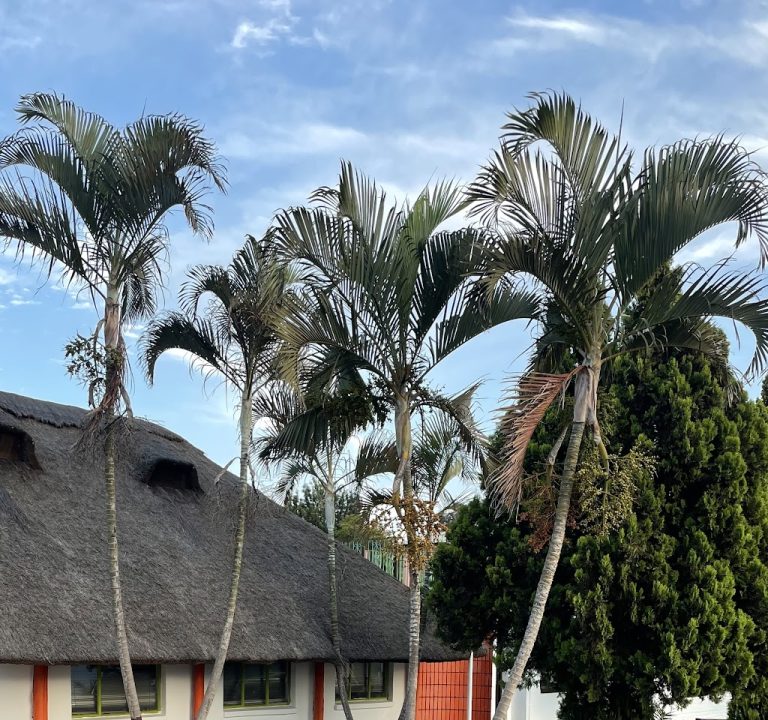
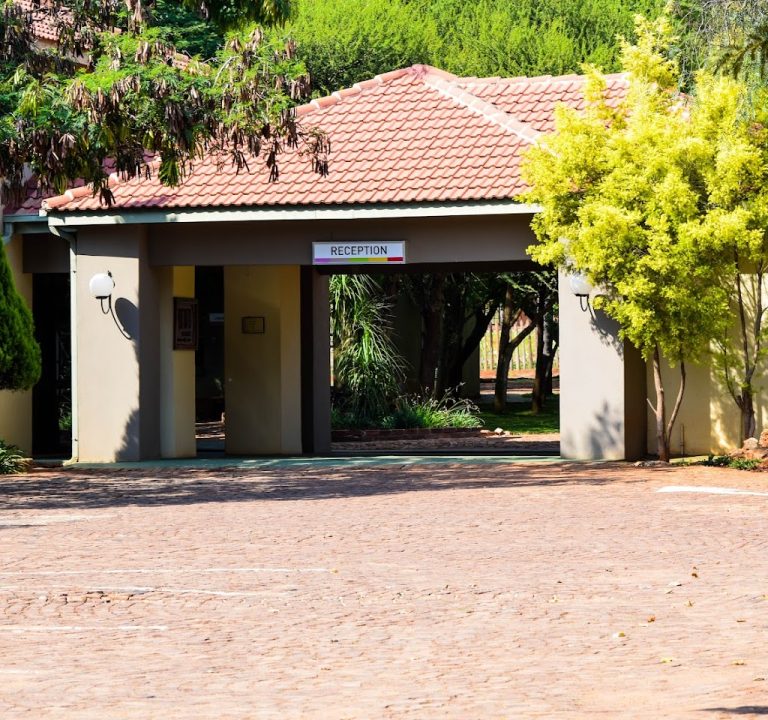
Polokwane features a range of lodge-style properties, often described as tranquil retreats on the edge of the city. Among them, Makarios Lodge and Weddings represents a lodge-type setting ideal for travellers seeking a dedicated venue with a thoughtful blend of comfort and rural charm. While individual characteristics vary, such properties commonly offer well-appointed rooms, lush grounds, and a serene atmosphere suitable for couples, families, or groups seeking a focussed stay with potential for small celebrations or events at nearby venues. For full itineraries, accommodation directories and official tourism resources can guide you to options that suit your preferences and budget.
Further planning resources
Consider visiting Polokwane’s official tourism pages for up-to-date listings of accommodation, dining, markets, and seasonal events. They often include practical tips on transport options, weather considerations, and suggested day trips that align with current attractions and local happenings. A well-chosen stay can anchor a stay in Polokwane, balancing restful downtime with rich cultural and nature-based experiences in Limpopo.