Accommodation and Experiences in Thohoyandou, Limpopo: Where to Stay and What to Do
Thohoyandou is a vibrant gateway to the traditions, landscapes and wildlife of Limpopo. When planning a stay, consider the surrounding districts and the pace you want from your visit. The town itself offers a range of accommodation styles—from comfortable guesthouses and lodges to smaller boutique hotels—while easy drives can lead you to nature reserves, cultural experiences and day trips to nearby towns. A well-timed stay will balance restful nights with opportunities to explore the Vhembe region’s heritage and scenery.
Areas to consider when booking include central Thohoyandou for easy access to shops, eateries and transport links, and nearby suburbs where lodges and guesthouses may offer a quieter base with more expansive grounds. If you’re seeking proximity to wildlife and nature, look for accommodations that provide information or arrangements for guided excursions, self-drive routes to reserves, or organised day trips. For families or groups, larger suites or family rooms with flexible bedding configurations can simplify arrangements, while couples may prefer intimate guesthouses with private verandas or garden spaces.
What to look for in a booking depends on your priorities. Key factors include safety and security features (gated entrances, reliable lighting and secure parking), comfortable beds, climate control for the region’s warm days and cool nights, and clean en-suite bathrooms. If you’re planning self-catering, check for a well-equipped kitchen or kitchenette. For those mindful of sustainability, inquire about energy efficiency, water use practices, and local sourcing. A thoughtful note is to read recent guest reviews for honesty about service levels, cleanliness and the availability of on-site facilities such as Wi-Fi, reliable power, and laundry services.
Typical amenities you might encounter include air conditioning or fans, private or shared verandas, daily housekeeping, on-site parking, a communal pool or outdoor seating area, and in-room refreshments. Some lodges may offer extra touches like a garden setting, braai facilities, or access to a shared kitchen. When you book, check whether transport arrangements are available or easy to arrange, such as airport transfers or courtesy shuttles to local attractions. If you’re exploring with a vehicle, confirm parking provisions and charging options for any electric devices.
Transport in and around Thohoyandou is practical for most visitors who prefer autonomy. Renting a car offers the freedom to visit nearby game reserves, cultural villages and viewpoints at your own pace. For those relying on public transport, it’s worth noting schedules can be less frequent outside peak hours, so planning ahead is wise. Some lodges and guesthouses may offer transfers or partner with local operators for guided excursions, which can be a convenient option if you want a structured day without the logistics of self-drive routes.
The best time to visit Limpopo depends on your priorities. The dry winter months (roughly May to September) bring clearer skies and comfortable day temperatures, which are ideal for game viewing and outdoor activities. The summer rainy season (often from November to March) can bring lush scenery and dramatic skies, though some rural roads may become less predictable. If your focus is cultural experiences and markets, align your stay with local events or festivals to deepen your immersion in the region’s heritage. Always check current weather patterns and terrain conditions before setting out on day trips or hikes.
Practical tips for planning your Thohoyandou stay include budgeting for a mix of experiences—some days in the towncentre to enjoy markets and eateries, and others in the countryside to explore nature reserves and viewpoints. Pack insect repellent and sun protection, and dress modestly when visiting villages or cultural sites. A flexible itinerary helps you adjust to moving road conditions or weather, and it’s wise to have a small amount of cash in local currency for markets and small purchases where card facilities may be limited. Finally, consider booking accommodation with staff who can offer local recommendations for park fees, permits, and safe walking routes at dusk.
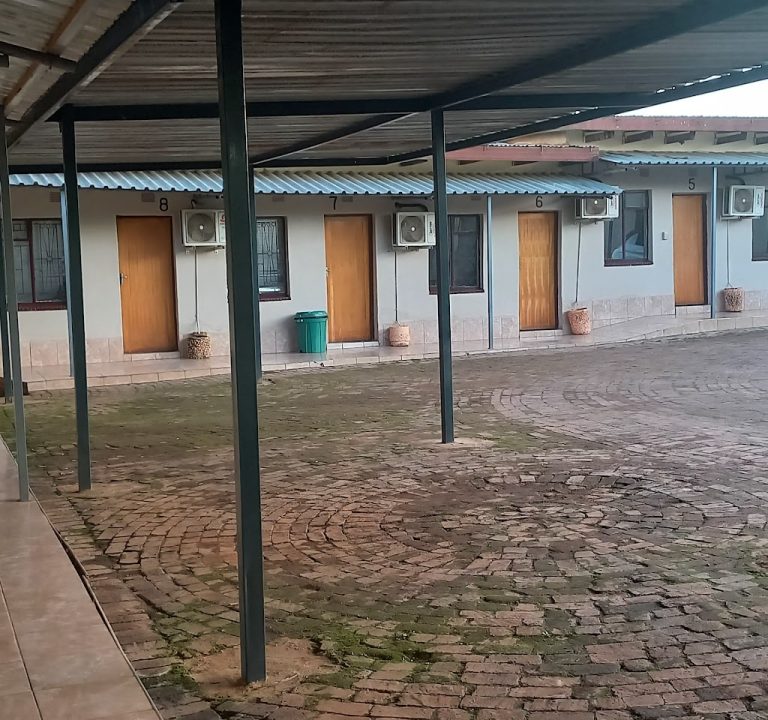
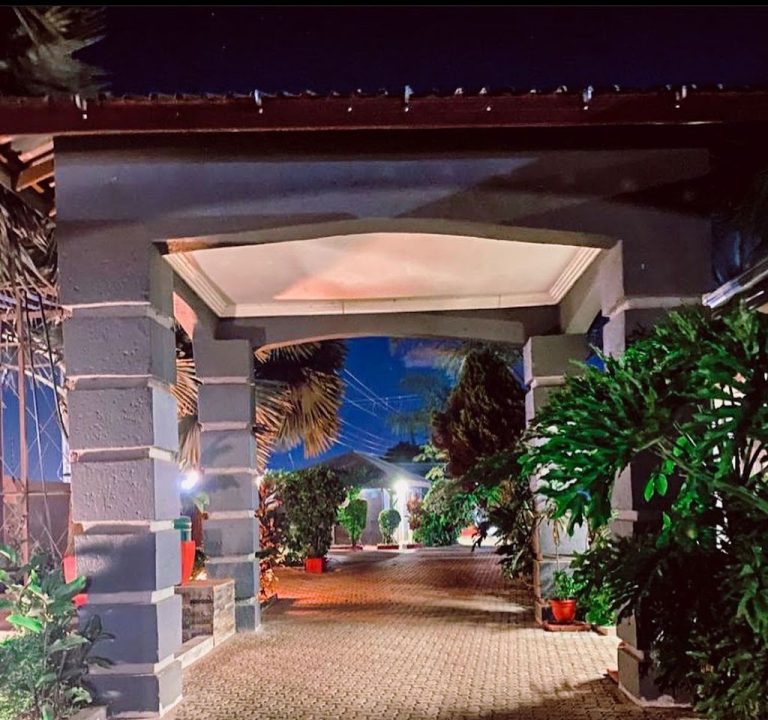
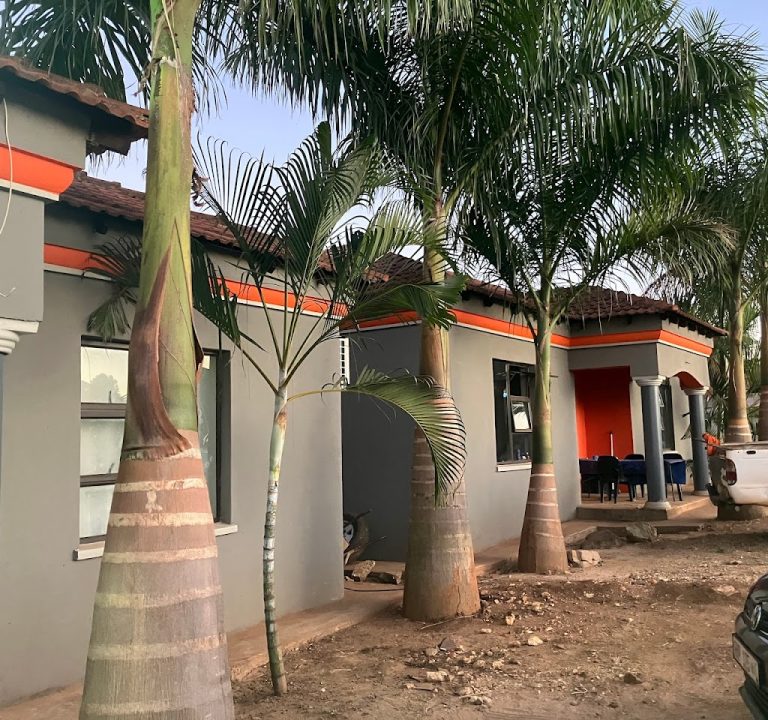
Accommodation examples in the area range from comfortable guesthouses to lodges that combine a sense of retreat with easy access to Thohoyandou’s amenities. One example lodging option is Maite Villa Lodge, which sits within the broader context of Thohoyandou’s hospitality scene and can serve as a convenient base for exploring the region. When exploring options, look for places that provide clear information on meals, activities and any included transfers, as these can greatly simplify your planning and help you make the most of your stay in Limpopo.
In terms of attractions and dining, plan to experience the region’s natural beauty and cultural hospitality. Scenic viewpoints, nature trails and wildlife experiences are common around Thohoyandou and its surroundings, while local restaurants and eateries tend to focus on hearty, traditional flavours and fresh ingredients. Rather than focusing on specific names or prices, seek balanced itineraries that allow you to enjoy a mix of cultural encounters, markets, and comfortable dining experiences. A well-paced itinerary will leave room for spontaneous discovery—whether it’s a crafts stall, a village visit or a casual café stop—alongside your planned visits to parks and viewpoints.
With thoughtful preparation, Thohoyandou offers a satisfying blend of relaxation, culture and adventure. By considering where to stay, what to look for when booking, and how to structure your days around the best the region has to offer, you can enjoy a memorable Limpopo visit that feels both easy and richly rewarding.