Acornhoek, Mpumalanga: A Practical Guide to Accommodation and Local Experiences
Acornhoek sits at a crossroads of nature, wildlife, and rural South African life in Mpumalanga. For travellers seeking a base that is closer to the subtropical landscapes and the Lowveld scenery than to big city bustle, the area offers a selection of lodging options that range from comfortable guesthouses and mid‑range hotels to lodge‑style retreats. When planning a stay here, think about how you want to move, what you want to see, and how much downtime you’d like between excursions into the surrounding nature and cultural experiences.
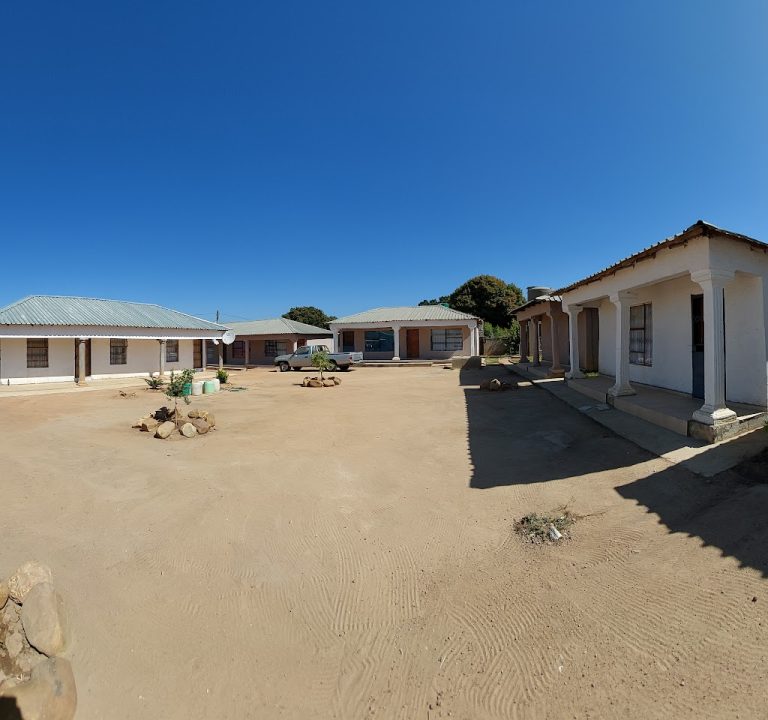
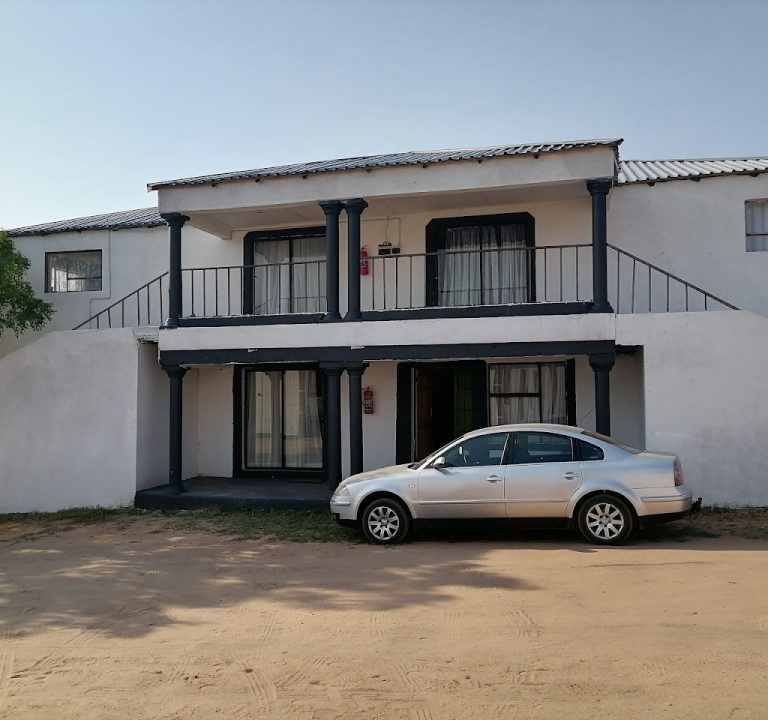
Accommodation in and around Acornhoek tends to emphasise space, airiness, and access to outdoor areas. Expect rooms and suites with en-suite facilities, fans or air‑conditioning for warm days, and practical touches such as patios or verandahs where you can unwind after a day on local roads or trails. Many properties are designed with a relaxed, safari‑adjacent ethos, offering rustic charm without sacrificing essential comforts. If you’re travelling with family or friends, some lodges and guesthouses provide interconnecting rooms or family‑sized suites, plus shared lounges, kitchens, or outdoor BBQ areas for sociable evenings under the stars.
Areas to consider when choosing a base include central Acornhoek for proximity to conveniences and transport links, and adjacent countryside where lodges and guesthouses sit along quieter routes. If your plan is to explore game reserves, riverside walks, and forest trails, a stay on the edge of town or along rural byways can reduce drive times and increase your time on activities. When booking, look for clear directions and easy access to the main routes used for day trips, as navigation in rural Mpumalanga can be straightforward but slightly less obvious than in major cities.
Typical amenities to look for include hot water, reliable power, secure parking, and a friendly on-site reception. Wi‑Fi is increasingly common and useful for planning day trips or sharing photos, though connectivity may vary in more remote spots. Dining options vary: some properties offer full board or breakfast inclusive packages, while others provide self‑c catering facilities or casual dining on site. A garden, pool, or terrace can be particularly appealing for resting between daytime adventures, and a guided activity desk or recommendations from staff is a real help for first‑time visitors to the area.
Transport in the region is best planned in advance. If you’re flying into the area, you’ll likely rely on road transfers or self‑drive arrangements. A car is by far the most convenient way to reach Acornhoek’s lodges and guesthouses and to explore nearby nature reserves and viewpoints. If you prefer not to drive, check whether your accommodation can arrange transfers or recommend reputable local operators for day trips. Remember that rural roads may be winding and sometimes rough in places, so a vehicle with comfortable clearance and a reliable navigation app is a sensible choice.
Best time to visit Acornhoek hinges on what you want to see and do. The region’s climate is influenced by the subtropics, with warm to hot summers and milder winters. The dry season—typically cooler and pleasant for game viewing—often runs from late autumn to early spring. The wet season brings lush landscapes and dramatic skies, which can make for spectacular photography but may affect road conditions or outdoor plans. If you are chasing wildlife sightings or easier outdoor hiking, plan for dry periods. If you enjoy vibrant landscapes and the ambience of rain‑washed savannah, the wet season offers its own rewards. Regardless of when you travel, mornings and late afternoons are generally the best times for outdoor activities and photography, when temperatures are more comfortable and wildlife activity is often at its peak.
Practical planning tips for a smooth stay in Acornhoek:
- Book with flexibility where possible to accommodate weather and seasonal changes in surrounding attractions.
- Confirm access times to lodges or reserves and whether guided tours can be arranged from your base.
- Pack layered clothing for variable temperatures, sun protection for long days outdoors, and insect repellent for evening outings.
- Check the cancellation policy and any requirements for special permits or park entry passes if you plan day trips to protected areas.
- Support locally owned accommodation and eateries to experience authentic Mpumalanga hospitality.
Attractions and experiences in and near Acornhoek tend to balance natural splendour with accessible, down‑to‑earth activities. Broadly, you can expect opportunities to explore scenic landscapes, enjoy guided wildlife viewing in nearby reserves, and gain insights into local culture through community‑based visits or markets. Dining in the area is typically relaxed and unfussy, with menus that emphasise fresh ingredients and South African favourites. For a well‑rounded visit, combine nature days with gentle cultural experiences, and set aside time for spontaneous discoveries as you wander along rural routes and small towns nearby.
Finally, when selecting accommodation, consider what makes your stay restorative. Some guests prioritise quiet environments with expansive outdoor spaces, while others prefer properties with more structured itineraries or a hosts’ recommendation for day trips. If you’re considering a stay at a place such as Magangeni rooms or similar options, weigh the balance of privacy and social spaces, the availability of self‑catering facilities, and the overall atmosphere you find most appealing for your trip. With thoughtful planning, Acornhoek can offer a comfortable, convenient, and memorable base for exploring Mpumalanga’s natural beauty and welcoming local hospitality.