Where to stay and what to do in Bela-Bela, Limpopo: practical tips for a satisfying visit
Bela-Bela, commonly known as Warmbaths, sits on the edge of the Limpopo province’s Highveld, offering a convenient base for wildlife experiences, nature escapes and family-friendly breaks. When planning a stay, the appeal lies in a blend of accessible accommodation, easy access to hot springs, and a landscape that shifts from grassy plains to bushveld fringes. Whether you prefer a polished lodge, a cosy guesthouse, or a self-catering retreat, Bela-Bela presents options that suit a range of budgets and travel styles.
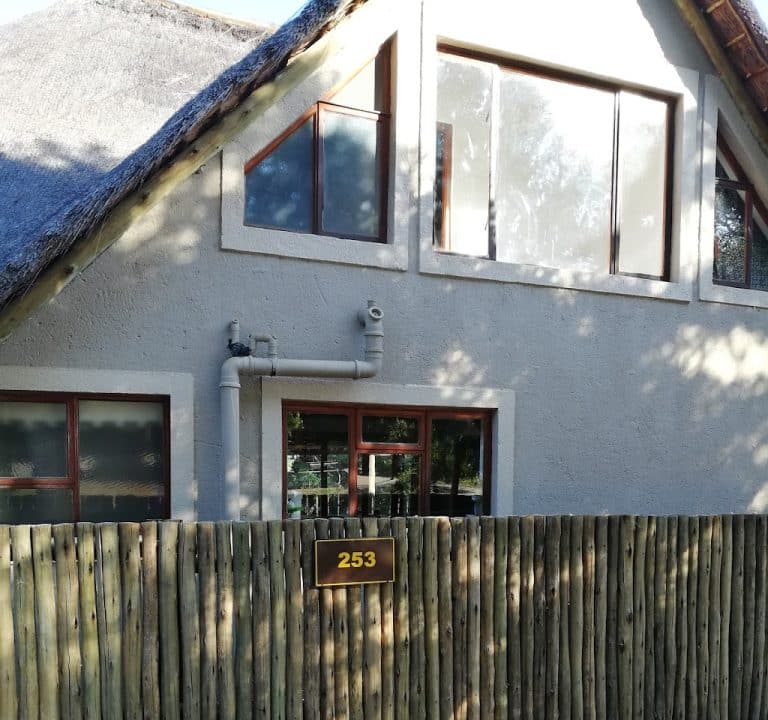
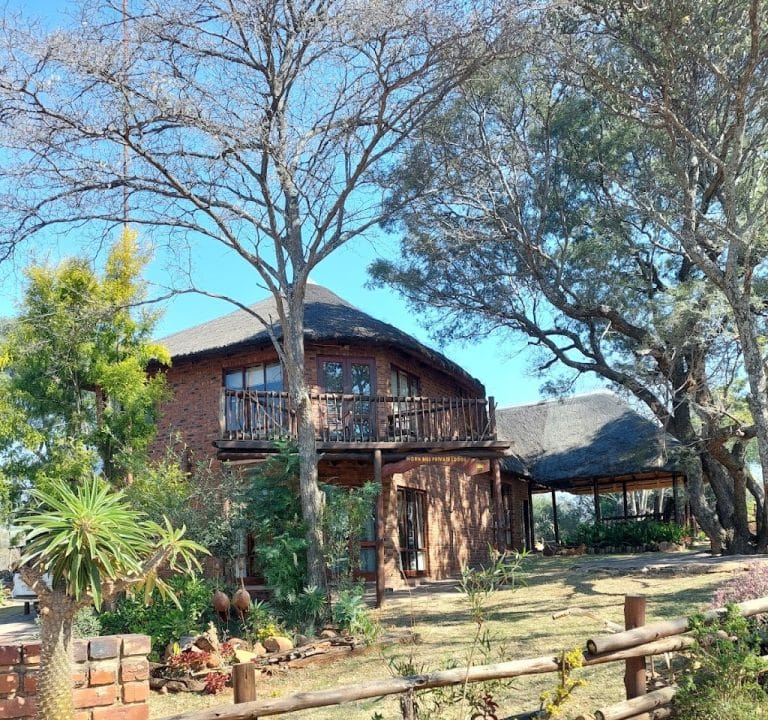
Accommodation in Bela-Bela tends to cluster around the town centre as well as on the outskirts near nature reserves and game parks. If you are seeking a bush-style experience with guided safaris, you’ll find lodges and lodges-with-amenities that situate you within quick reach of game viewing. For a quieter stay or a family-friendly break, guesthouses and self-catering cottages near the hot springs or on private reserves can offer more space and flexibility. Mabalingwe Elephant Lodge is one example of the kind of lodging you might encounter in the broader area; such properties typically feature native surroundings, outdoor spaces, and access to wildlife activities coordinated through the on-site team or partner operators.
Key considerations when choosing where to stay include proximity to the town’s hot springs, ease of self-drive exploration to nearby reserves, and access to dining options without travelling long distances after sunset. If you plan day trips to larger game reserves or nature reserves in the Waterberg region, selecting a base within easy driving distance helps maximise your time for activities rather than navigation. Look for properties that offer secure parking, clear information about vehicle access, and a comfortable lounge or communal area where you can unwind after a day of excursions.
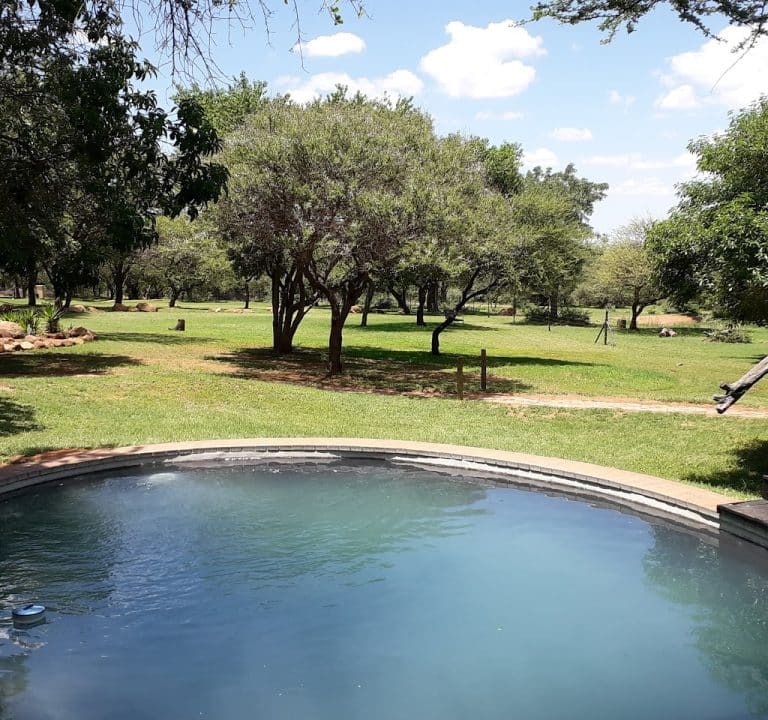
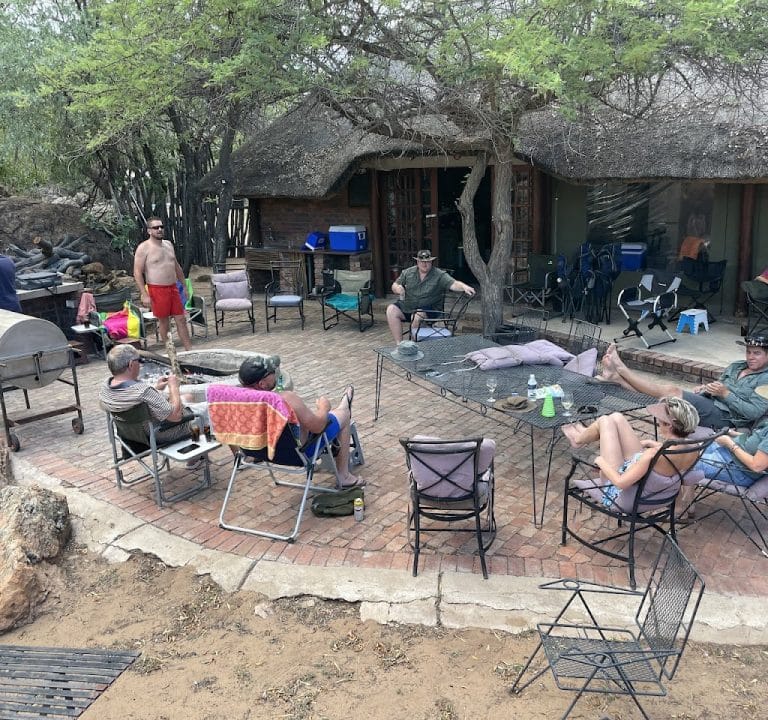
Typical amenities across Bela-Bela accommodation range from en-suite bedrooms and air conditioning to outdoor seating, braai facilities, and family-friendly layouts. A reliable property might also provide a pool, uninterrupted hot water, and breakfast options or kitchen facilities. For guests who value personalised guidance, look for lodgings with on-site staff or hosts who can help you plan day trips, reserve game drives, or arrange transfers to nearby attractions. While prices vary by season and level of service, you can often find value across mid-range lodges and well-appointed guesthouses during non-peak periods.
Transport in and around Bela-Bela is best managed by car, which gives you the flexibility to explore at your own pace. The town is relatively compact, but outside areas can be more rural, so a comfortable vehicle with adequate space for luggage and any outdoor gear is advantageous. If you prefer not to drive, some properties can arrange transfers or guided tours, including morning or late-afternoon game drives in nearby reserves. Check whether your lodging offers airport or rail connections, and confirm driving distances to major attractions to plan your days efficiently.
The best time to visit Bela-Bela depends on your priorities. The winter months (June to August) bring cooler temperatures that are ideal for comfortable game viewing early in the day, while the summer rainy season (roughly November to March) can offer lush scenery and active wildlife, albeit with hotter days and more afternoon thunder showers. The hot springs themselves are a year-round draw, but the outdoor experience feels particularly refreshing when temperatures are cooler in the evenings or early mornings. If you are planning outdoor activities such as bush walks or nature drives, the early morning light is often the best for visibility and wildlife sightings.
When planning your itinerary, it helps to balance time between relaxation and activity. A typical approach might include a day of spa-like indulgence at the hot springs, a morning or afternoon game drive in nearby reserves, followed by some time at a lodge pool or guesthouse garden. Consider a sensory evening: stargazing in a low-light setting after a day of exploring, or a simple walk under the African night sky. Dining options in Bela-Bela range from casual eateries to lodges with on-site restaurants, offering familiar favourites as well as regional flavours. If you prefer variety, you can plan visits to places where you can sample light meals, hearty South African dishes, and freshly grilled fare without straying far from your base.
- What to look for when booking: location relative to hot springs and reserves, clear cancellation policy, responsive management, and a transparent description of included amenities.
- Practical tips: confirm gate or reserve entry requirements, check the suitability of the accommodation for children or mobility needs, and verify parking arrangements for your vehicle.
- Planning essentials: determine daily driving times to planned activities, factor in rest periods, and build in buffer time for weather or seasonal changes.
For further inspiration, you can visit regional tourism sites or travel guides for Bela-Bela and the Limpopo province. While names and prices vary, many sources emphasise the mix of hot springs, wildlife-watching landscapes, and comfortable, well-equipped places to stay. Online resources often offer property listings, travellers’ tips, and practical planning tools to tailor your visit. If you wish to explore specific accommodation options or read guest reviews, reputable travel platforms and official tourism portals can be a good starting point.
Whether you are drawn to a tranquil break in a private retreat, a family-friendly lodge with outdoor spaces, or a stepping-stone to bigger safari experiences, Bela-Bela provides a practical, community-focused base for a memorable Limpopo stay. For more information and planning ideas, see local tourism pages and lodging directories that curate up-to-date listings and practical advice on accessibility, seasonal considerations, and nearby activities.