Accommodation and Essentials for a Memorable Cape Town Stay
Cape Town, a city framed by ocean, mountains and a coastline that shifts with the light, offers a broad range of places to lay your head. Whether you favour a stylish self‑catering apartment, a cosy guesthouse, a boutique hotel, or a tranquil lodge in the surrounding winelands, planning your stay around the city’s diverse neighbourhoods will help you make the most of your visit. From the café‑streamlined streets of the City Bowl to the cliff‑hugging splendour of Camps Bay, there are options to suit every budget and style.
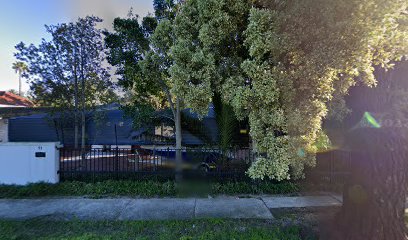
Areas to consider. The City Centre and Gardens are ideal for walkers who want easy access to attractions, eateries and transit links. Sea Point and Green Point sit along the Atlantic coast, offering breezy promenades, views of the ocean and convenient access to the V&A Waterfront. Camps Bay and Clifton are known for dramatic beaches and a more relaxed, upscale ambience. Constantia, in contrast, is perfect for those seeking a peaceful retreat with access to winelands‑style scenery and leafy suburbs. For a more residential vibe with easy motorway access to the peninsula’s sights, Cape Town’s northern suburbs such as Pinelands and surrounding areas can offer calm, well‑appointed homes with better value for families or longer stays. If you’re booking a holiday home in Pinelands or nearby, look for clear information on self‑catering facilities, outdoor space and parking.
Booking considerations. When choosing accommodation, think about the rhythm of your days. Do you want to be in striking city surroundings with close proximity to nightlife and headlining sights, or would you prefer a quieter base with easy access to nature and day trips? Check the distance to the attractions you care about most and verify transit options. Cape Town’s MyCiTi bus system and municipal services provide reliable city transport, while Uber and local taxi services offer door‑to‑door flexibility. If you plan day trips to the Cape Winelands or the Cape Point area, confirm whether the property offers parking or has convenient access to highways.
Typical amenities. In the more contemporary city accommodations you may find high‑speed Wi‑Fi, coffee facilities, and well‑equipped kitchens or kitchenettes. Guesthouses and BnBs often include breakfast or access to a shared kitchen, while self‑catering homes provide full kitchen facilities and private entrances. Look for good ventilation or air‑conditioning in the hot summer months, secure parking, and reliable hot water. For families, note whether there are child‑friendly features, such as cot availability, baby gates or specific play areas. In select properties, you might find outdoor spaces, braai facilities or communal lounges that enhance a relaxed stay after a day of sightseeing.
Transport and getting around. Cape Town is best explored with flexibility. Public transport can be efficient in the central areas, but many visitors prefer a car for full peninsula exploration. If you’re staying in the City Bowl or Atlantic Seaboard, walking and short rides are practical for a large portion of daily activities, while day trips to the Cape Point, Boulders Beach penguin colony, or Kirstenbosch require a car or organised tours. When booking, ask about parking on site, proximity to transport hubs, and any shuttle options offered by the property.
Best time to visit. The city enjoys a Mediterranean‑like climate with warm, dry summers and mild, wet winters. Peak sunshine and long beach days are common from December through February. Spring (September to November) brings longer days and blooming gardens, while autumn (March to May) offers pleasant temperatures for outdoor exploration. If you are pursuing outdoor activities such as hiking or coastal walks, wear layers and carry sun protection year‑round, as conditions can change quickly on the mountain slopes or near the sea.
Practical tips for planning. For first‑time visitors, it helps to build a loose itinerary that blends iconic sights with downtime. Book well in advance for peak season, especially if you prefer a home with a kitchen and garden space. Read guest reviews carefully for insights on noise levels, security, and how responsive hosts are. Consider combination stays that pair a central city base with a quieter rural or coastal option to diversify your experience. Always confirm gate and entry procedures for access to private residences or managed properties, and review cancellation policies to stay flexible if travel plans shift.
Attractions and dining in general terms. Cape Town’s attractions span natural beauty, culture, and maritime heritage. You’ll find dramatic viewpoints from mountain summits, historic sites and museums detailing the region’s layered past, and a coastline rich with waterfront and harbour atmospheres. Dining options range from casual cafés serving brunch and light meals to refined restaurants highlighting South African ingredients and seafood. In most areas, you’ll discover cafés and eateries with views of the sea or the surrounding hills, as well as markets and public spaces that showcase local producers. When planning meals, consider trying a coastal promenade for a relaxed evening, or a quiet neighbourhood bistro for a longer lingering dinner.
One practical note. If you have specific access needs or mobility considerations, filter your searches to properties with clear accessibility details and contact hosts in advance to confirm suitability. A well‑chosen base, balanced with occasional day trips to the city’s parks, coastal paths and winelands, will make your Cape Town stay both comfortable and memorable.
- Proximity to your must‑see sights and preferred neighbourhood vibe
- Availability of parking and transport links
- Clear descriptions of amenities and kitchen facilities
- Flexible cancellation terms and transparent pricing