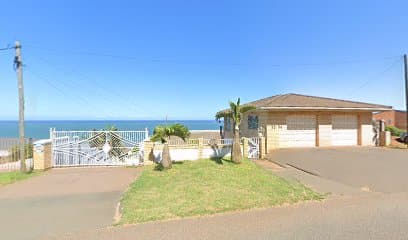
Accommodation and Essentials for a Bluff Stay in Kwa-Zulu Natal
Bluff, a scenic coastal suburb of Durban, offers a welcoming base for travellers exploring the Kwa-Zulu Natal coastline. When planning a stay, consider whether you want the convenience of a hotel with on-site facilities, the charm of a guesthouse tucked into a quiet street, or a self-catering option near the shoreline. The proximity to the city centre, beaches, and nature reserves makes Bluff a versatile choice for both short breaks and longer visits.
Where to stay and what to look for
Areas to consider include the residential streets behind the shorefront, which often feature guesthouses and small hotels with a neighbourhood feel, as well as more central pockets that are closer to dining and transport links. If you prioritise easy access to the coast, search for properties within a short stroll to the main beaches or promenade. For a more tranquil stay, look for accommodations perched above escarpment viewpoints or set in leafy avenues away from the busiest roads.
Key features to prioritise when booking:
- Parking and transport access: If you plan to hire a car, confirm on-site parking or nearby safe street parking. Public transport options, ride-hailing availability, and easy access to major routes are helpful for day trips along the coast.
- Room configuration: Bluffs’ properties range from compact studios to larger suites. Check whether the room type includes a private bathroom, kitchen facilities, or a shared lounge area, depending on your needs.
- Facilities and amenities: Look for reliable Wi‑Fi, secure entry, laundry facilities if you’re staying a while, and, where possible, a guest area for socialising or drying off after beach days.
- House rules and security: Ensure clear policies on check-in times, breakfast arrangements (if included), and access to outdoor spaces such as balconies or terraces.
- Food options: Many Bluff stays offer continental breakfasts or self-catering facilities. Proximity to local cafés and casual eateries is a plus for busy days.
Typical accommodation types you’ll encounter
- Hotels: Range from mid-range to boutique, often with on-site dining and easy beach access. Hotels can be convenient for short stays, business trips, or family trips, offering daily housekeeping and guest services such as reception and security.
- Guesthouses and B&Bs: These provide a more intimate vibe and are well-suited to travellers who value personal touches and local knowledge. Includes usually a complimentary breakfast and a shared or private lounge area.
- Lodges and self-catering flats: Great for longer visits or families, with kitchen facilities and sometimes shared outdoor spaces like gardens or braai (barbecue) areas.
- Self-contained cottages: Ideal for groups or couples seeking privacy and flexibility, often with outdoor seating and barbeque facilities.
What to expect in terms of typical amenities
Most Bluff accommodations offer comfortable beds, clean en-suite bathrooms, and climate control for Durban’s subtropical climate. Common extras include a television in the living space, tea and coffee-making provisions, and access to outdoor seating with ocean or garden views. Smaller establishments may provide shared kitchen facilities and a continental breakfast, while larger properties may feature a restaurant, bar, or dedicated guest lounge. If a high level of security or 24-hour reception is important, check the property’s security features and staff availability ahead of booking.
Transport and getting around
Having a car is advantageous for exploring Bluff and wider Kwa-Zulu Natal, including nearby coastal towns and nature reserves. However, many features are reachable on foot or via short taxi rides from Bluff’s southern coastal streets. If you don’t plan to drive, verify access to nearby bus routes or the availability of local tour operators offering day trips along the coast. A rental car provides flexibility for dawn or sunset coastal walks, visits to viewpoints, and excursions to inland attractions.
Best time to visit Bluff
Bluff enjoys a warm subtropical climate, with mild winters and hot summers. Beach days are most pleasant from late spring to early autumn (October to March), when sea temperatures are comfortable and daylight hours are longer. For whale watching or cooler coastal walks, winter and early spring can offer refreshing conditions, though be prepared for occasional rain. Shoulder seasons—April to June and September to November—often bring quieter streets and reasonable room rates while still delivering good weather for outdoor activities.
What to do and where to eat (general guidance)
During your stay, you can enjoy long walks along Bluff’s coastal paths, birdwatching in local green spaces, and picturesque viewpoints overlooking the Indian Ocean. Beach activities, fishing spots, and casual seaside strolls are common pastimes. Dining in Bluff tends to lean towards relaxed, family-friendly eateries and seafood options, with many establishments offering local favourites in a friendly, unpretentious setting. For more diverse choices, explore Durban’s broader dining scene, which ranges from traditional South African fare to modern international cuisine, often complemented by vibrant markets and casual cafés.
Planning tips
- Book early in peak periods to secure preferred room types and locations.
- Check cancellation policies and whether breakfast or other inclusions are guaranteed in the rate.
- Read recent guest reviews to gauge current conditions and service levels.
- Look for properties with clear access to beaches and scenic viewpoints, as well as straightforward routes to major routes for day trips.
- If visiting with family or groups, verify the availability of extra beds or interconnecting rooms.
For practical planning and current listings, local tourism resources and property websites offer up-to-date information on Bluff accommodations and nearby attractions. A well-chosen stay can be the perfect anchor for discovering Bluff’s coastline, nature reserves, and friendly neighbourhoods while keeping you well connected to Durban and the wider Kwa-Zulu Natal region. For a sense of place and planning inspiration, you can explore official tourism portals and regional guides at reputable local sites: https://www.kzn.co.za and https://www.durban.gov.za.