Johannesburg: Where to stay, what to do and how to plan a memorable visit
Johannesburg, Gauteng’s bustling hub, offers a vibrant mix of urban sophistication and neighbourhood charm. When planning a stay, start by considering the areas that best fit your aims—whether you’re seeking business convenience, cultural immersion, or family-friendly pockets with easy access to sights. From the leafy suburbs of Sandton to the restored streets of Maboneng, the city rewards travellers who balance comfortable accommodation with easy transport and authentic experiences.
For a convenient base, look for accommodation that aligns with your daily plans. Sandton is a well-connected business and shopping district with modern hotels and guesthouses, while Rosebank and Melville offer a more relaxed, village-like atmosphere with a range of boutique stays and eateries. Braamfontein and Newtown are popular for nightlife, street art, and cultural venues, whereas Soweto presents a deeper dive into South African history and township life. If you prefer a quieter, warmer neighbourhood feel within reach of the city’s highlights, consider parkside or suburban options that provide secure parking, reliable Wi‑Fi, and nearby cafés or markets.
Putting together a practical stay means weighing your needs against what accommodation provides. When booking, you’ll commonly encounter common amenities such as private ensuite bathrooms, air conditioning or ceiling fans (helpful in Johannesburg’s warm summers), free Wi‑Fi, on-site parking, and breakfast options. A guest house or boutique hotel may offer personalised service, such as reception that can assist with local guidance, day trips, and secure luggage storage. If you’re travelling with family or a group, check for spacious suites, kitchen facilities, or studio configurations that maximise comfort and value. If you’re travelling for work, request a dedicated work area with sufficient power outlets and a quiet room for meetings or calls.
Transport is a key factor in planning a Johannesburg stay. The city is large and not all areas are equally walkable, so access to reliable transport helps you make the most of your time. The Gautrain and Metrorail networks connect major hubs efficiently, while ride-hailing apps are widely used for shorter hops between sights, dining, and accommodation. If you have a car, confirm parking arrangements and secure on-site spaces in advance. For guests without a car, choose locations that are well connected by rideshare routes and close to major transport links. Many guest houses and boutique hotels can arrange airport transfers or city introductions, which can be a convenient way to start your visit.
The best time to visit Johannesburg often boils down to what you want to do. The city experiences warm summers with occasional showers and cooler, drier winters. May to August tends to be pleasantly cool and is a popular period for those who prefer milder weather and fewer crowds. Spring and autumn bring comfortable temperatures suitable for outdoor markets and parks. Plan ahead for large events or conferences that may affect availability and pricing in certain neighbourhoods, and always confirm check-in times to fit your travel schedule.
When exploring attractions, Johannesburg offers a broad mix of memories and perspectives. You can expect compelling museum experiences that tell the story of South Africa’s recent past, historic sites that reveal the role of urban and political transformation, and modern art and design districts where street art and galleries sit alongside bustling cafés. For those seeking outdoors and gardens, there are green spaces and trails suitable for a relaxed day out, with safe pathways and viewpoints to enjoy the city’s skyline and surrounding landscape. Food and drink in the city is equally diverse, with neighbourhood eateries and markets offering flavours influenced by the region’s varied heritage. Rather than focusing on specific venues, choose areas that align with your mood—an artistic precinct for daytime exploration, or a lively district with a concentration of restaurants and live music in the evenings.
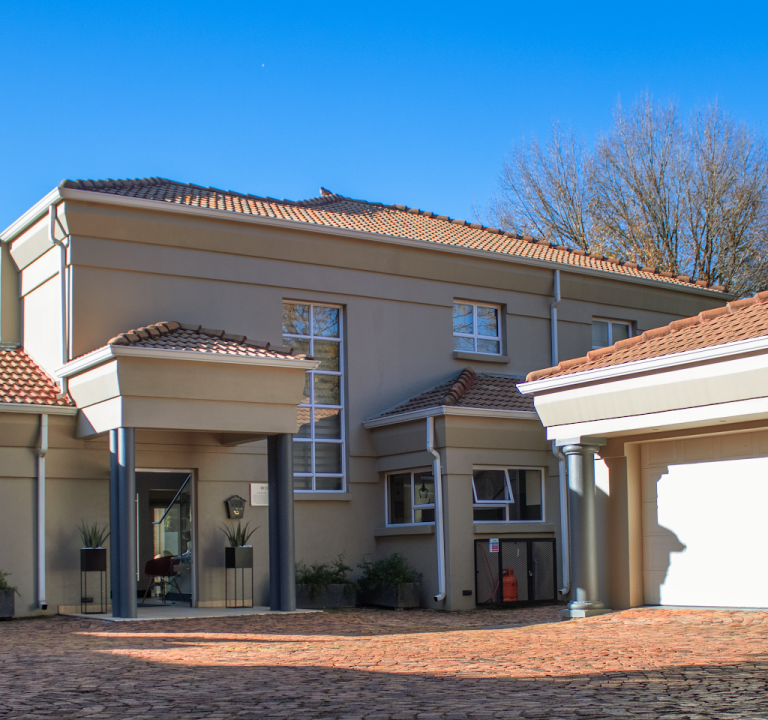
Accommodations such as LTN LODGE, a guest house in a convenient part of the city, exemplify the kind of stay that blends comfort with authentic local character. Visitors can expect a friendly, intimate setting that prioritises guest needs while offering easy access to major routes and nearby attractions. You can learn more about the property and its location online at the official site: http://www.ltnlodgesa.co.za/.
Practical tips to enhance your visit:
- Research the neighbourhood ahead of time to balance safety, convenience and atmosphere.
- Check for secure parking and 24-hour reception if you’ll be arriving late or leaving early.
- Verify what is included in breakfast and whether there are kitchen facilities or nearby dining options.
- Ask about air conditioning or heating, especially for the shoulder seasons when temperatures can vary.
- Confirm access to reliable Wi‑Fi and any work-friendly spaces if you require a quiet area for calls or e-mail tasks.
- Plan a couple of guided experiences or day trips that showcase different facets of Johannesburg, such as cultural districts, historical sites, and outdoor escapes.
In summary, Johannesburg rewards thoughtful planning: pick a neighbourhood that matches your interests, choose accommodation with practical amenities and transport links, and pace your days to enjoy both the city’s energy and its quieter corners. With a range of guest houses, boutique hotels, and modern lodges, travellers can tailor a stay that feels both comfortable and distinctly South African.