Johannesburg: A Practical Guide to Accommodation, Areas, and Local Experiences
Johannesburg offers a diverse mix of places to stay, from intimate B&Bs and guesthouses to stylish hotels and self‑catering apartments. When planning a visit to Gauteng’s bustling city, consider staying in central pockets such as Lorentzville, which can provide easy access to major arteries and nearby neighbourhoods, while delivering a welcoming home‑base feel after a day of exploring. The city’s accommodation scene is well-suited to travellers who value comfort, good transport links, and the chance to discover a broad mix of urban culture, restaurants, and museums.
Areas to consider for your stay
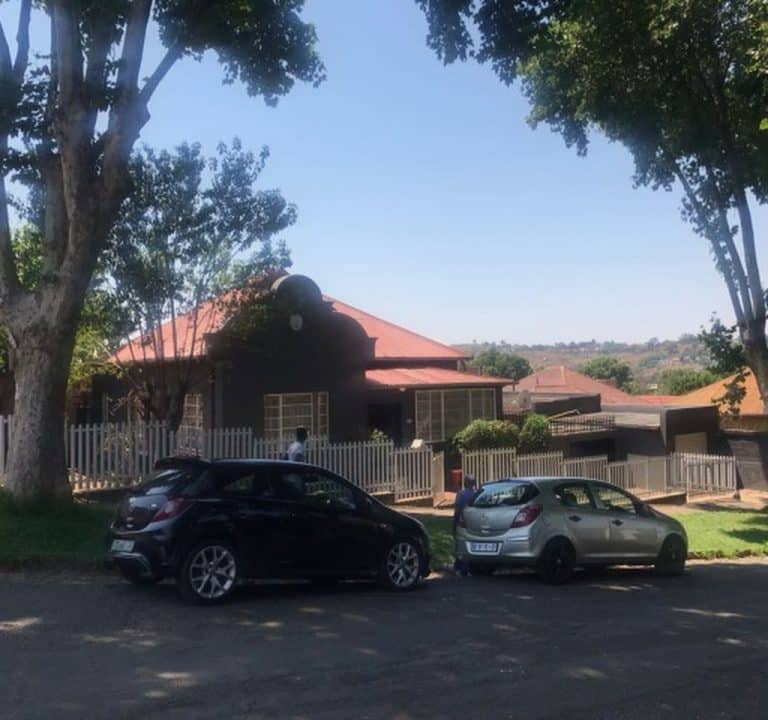
Lorentzville sits within convenient reach of central Johannesburg and is not far from key business districts, cultural hubs, and transit routes. Other popular options include the northern suburbs for a more suburban ambience with shopping and dining choices, the central CBD for easy access to museums and city life, and the up-and-coming precincts near Rosebank and Sandton for a blend of boutique stays and modern hotels. When choosing a neighbourhood, think about what you want to be close to: markets and cafés, nightlife, historic sites, or quick access to the airport and main highways. If you prefer a calmer night’s sleep with leafy streets, a well‑located guesthouse or boutique hotel may suit you, while business travellers might prioritise proximity to convention centres and direct transport links.
What to look for when booking
- Proximity to the places you plan to visit and access to reliable transport options
- Clear information about parking, security, and accessibility
- A generous breakfast offering and optional self‑catering facilities
- Free Wi‑Fi, working spaces, and quiet rooms if you need to keep up with work
- Authentic local character, whether in a guesthouse with personalised service or a boutique hotel with thoughtful design
Typical amenities you might expect
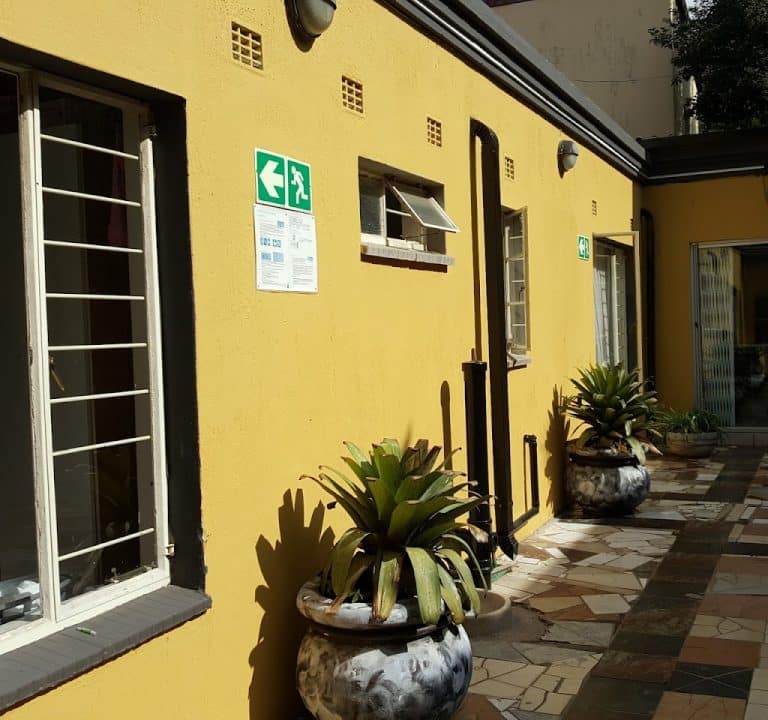
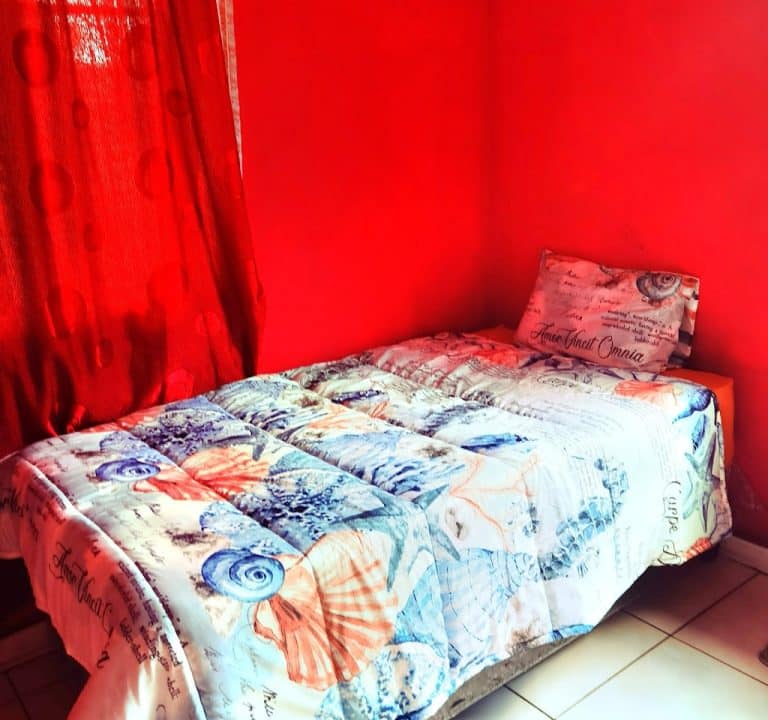
Most stays in Johannesburg feature en‑suite bathrooms, daily housekeeping, and 24‑hour reception in larger hotels. Common extras include a pool, on‑site restaurant or bar, secure private parking, laundry facilities, and shuttle services to the airport or train stations. In a guesthouse or B&B, you’ll often enjoy a hearty breakfast, personal recommendations from hosts, and a sense of neighbourhood hospitality. If you’re renting an apartment or a serviced suite, look for well‑equipped kitchens, laundry facilities, and convenient access to public transport.
Transport and getting around
Johannesburg’s transport landscape includes taxis, ride‑hailing services, buses, and the Gautrain for rapid travel to neighbouring cities and suburbs. In busy periods, a car can offer the greatest flexibility, but many visitors find that a well‑connected base near major routes or a hub with good Uber coverage makes day trips straightforward. If you’re staying in Lorentzville or nearby, ask your host about the best local routes for your planned activities, and check whether parking is included or if street parking is metered or restricted in the evenings.
Best time to visit
Johannesburg experiences a mild climate compared with much of southern Africa. The dry winter months (roughly May to August) are pleasant for sightseeing and outdoor markets, with cooler evenings. Spring (September to November) and autumn (March to May) bring warming temperatures and comfortable days for exploration. Summers are warmer and can bring late‑afternoon thunderstorms, so plan outdoor activities earlier in the day and have lightweight, breathable clothing. If you’re interested in vibrant street life, markets, and arts districts, spring and autumn are particularly appealing.
Practical tips for a smooth stay
Book accommodation with clear cancellation terms and transparent housekeeping policies. Read guest reviews to gauge consistency in service, safety, and cleanliness. If you’re sensitive to noise, request a room away from busy streets or music venues. Check what’s included in the rate—breakfast, parking, and Wi‑Fi can add real value to your stay. For self‑catering stays, verify kitchen essentials and laundry facilities. Bring adaptors for South African plug types and confirm the nearest medical facilities or pharmacies in case of need. Finally, consider pairing your lodging with a flexible plan for day trips to nearby attractions, such as historical museums, cultural precincts, and nature reserves beyond the city limits, so you get a well‑rounded sense of Gauteng’s offer.
Attractions and dining in general terms
Johannesburg offers a broad spectrum of experiences, from world‑class museums and art galleries to revived urban districts with cafés, markets, and street‑level culture. In the city’s museum districts and historical sites, visitors can gain insight into South Africa’s past and its ongoing social evolution. Cultural precincts and boutique shopping areas provide a sense of local life, with galleries, street art, and design studios. Dining ranges from modern, chef‑led homes in stylish venues to casual eateries offering varied South African flavours and international influences. For a well‑rounded visit, plan to spend time exploring public parks, botanical spaces, and riverfront or hillside trails that showcase Johannesburg’s green side alongside its urban energy.
Useful starting points for planning and inspiration include official city tourism pages and travel guides that offer current, locally sourced recommendations. These sources can help pinpoint open markets, seasonal events, and new eateries as you refine your itinerary. When you’re ready to book, consult the accommodation’s own website or trusted platforms for detailed photos, floor plans, and guest reviews, and look for properties that provide clear information on safety, accessibility, and staff support during your stay. For more ideas and practical planning, you can visit https://www.johannesburg.org or the official city site, which provide broader context about neighbourhoods, transport, and visitor information.