Accommodation and Getting the Most from a Stay in Rustenburg, North West
Rustenburg, nestled at the foot of the Magaliesberg range, offers a mix of lodge-style retreats, guesthouses and boutique hotels set against a striking landscape. The town serves as a useful base for exploring natural reserves, wildlife encounters and the regional culture of the North West Province. When planning a stay, consider both comfort and location to balance easy access to nature with convenient amenities for daily planning.
Areas to consider when choosing where to stay include the suburban and semi-rural environs close to the Magaliesberg foothills, as these often provide a quiet backdrop and quicker access to hiking trails, scenic viewpoints and reserves. The central town area is convenient for dining, banking and practical needs, while nearby residential lodges and guesthouses can offer a more tranquil atmosphere with more space and green surroundings. Think about what matters most for your trip—wildlife excursions, family-friendly facilities, or a cosy retreat after long days of exploration—and pick a base that aligns with those priorities.
Booking considerations are important in Rustenburg. Look for properties that clearly describe room types, bed configurations and privacy levels, along with practical details such as on-site parking, secure access, and self-catering options if required. Check the cancellation policy and any seasonal rate differences, which can be significant around peak periods or long weekends. If you’re travelling with children or a group, ask about family-friendly rooms, shared lounges, outdoor spaces and safety features. For travellers seeking a more immersive stay, consider lodges or guesthouses that offer guided local experiences, such as short nature walks or cultural insights, which can enrich your visit without requiring extensive planning on your own.
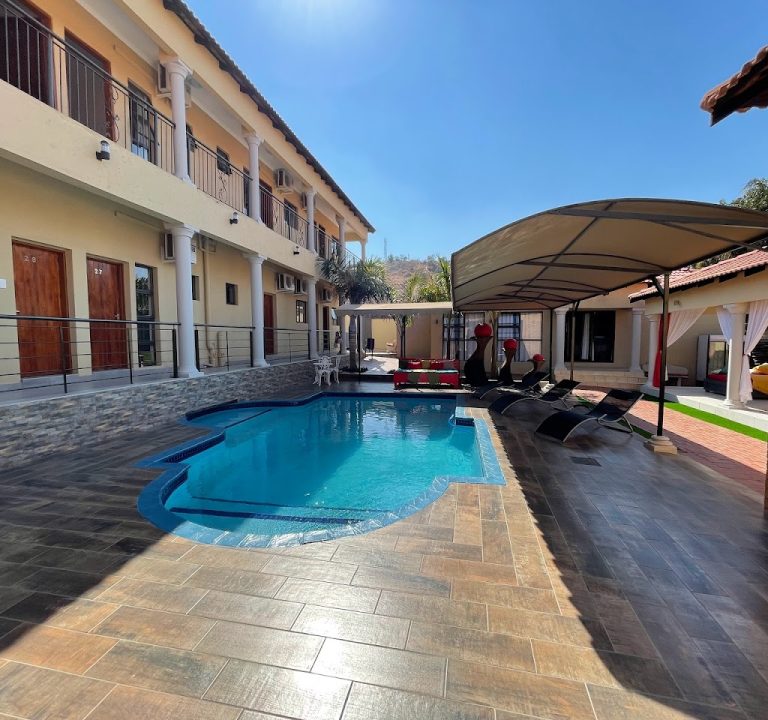
A typical rustenburg stay includes a blend of comfortable rooms, well-kept grounds and easy access to essentials. Many properties offer en-suite bathrooms, climate control, and daily housekeeping. In modest to mid-range options you’ll often find free parking, a communal lounge, and a simple breakfast service or self-catering facilities. More upscale lodges may provide on-site dining, spacious verandas, pool areas, and organised activities or guided outings. If you have particular requirements—accessibility, dietary needs, or pet-friendly options—confirm these before booking to avoid disappointment upon arrival.
Transport in and around Rustenburg is straightforward, though autonomous planning makes a difference. A car is the most practical form of transport for most visitors, enabling easy day trips to nearby nature reserves, viewpoints and town attractions. If you’re relying on public transport, plan your routes carefully as options can be limited outside central areas. For longer excursions, such as a day trip to a nearby reserve or scenic valley, consider arranging a guided tour or private transfer through your accommodation or a trusted operator. When staying near popular outdoor sites, allow extra time for gate openings, park rules and potential seasonal closures.
Best time to visit Rustenburg generally mirrors the South African climate: warm, dry winters and hot, wet summers. The cooler winter months (roughly May to August) can be comfortable for outdoor activities and wildlife viewing, though mornings and evenings may be chilly, so pack a few warm layers. Summer can bring afternoon thundershowers, which generally clear quickly and can bring lush, green landscapes. Shoulder seasons often offer balanced weather and fewer crowds. If your plans include wildlife experiences, align your dates with reserve schedules or any school holidays that impact visitor numbers, while keeping in mind that some outdoor activities may be weather-dependent.
Practical tips to get the most from your stay:
- Ask your accommodation about early check-in or late check-out options if you have long travel legs or specific activity plans.
- Request quiet rooms if you’re sensitive to early morning wildlife or traffic noise, and inquire about room layouts to suit families or groups.
- Request directions and parking details ahead of arrival, especially if your lodge is tucked away along scenic roads or private lanes.
- Plan your meals by noting whether breakfast is included, if there are on-site dining options, and whether you’ll need to book in advance during peak periods.
- Take a compact daypack for short excursions—many reserves or viewpoints have limited facilities, and a light layer is handy for changing weather in the mountains.
- Respect local wildlife and reserve guidelines: stay on marked paths, keep a safe distance from animals, and carry water and sun protection for outdoor activities.
Attractions and experiences in the Rustenburg region typically emphasise nature, landscapes and cultural encounters rather than single, fixed venues. Expect guided or self-guided walks in protected areas, scenic drives through valleys and granite formations, and opportunities to learn about the region’s geology and farming heritage. Dining options range from casual bistros to more stylish eateries that highlight South African flavours with regional ingredients. For a well-rounded visit, plan a few days to sample outdoor activities, and reserve an evening for a relaxed meal in town or at a lodge with a sunset view over the Magaliesberg.
Lastly, if you’re staying at a lodge such as Lodge Eloftus or similar venues, you may find they partner with local operators for short excursions or wildlife experiences. While exact offerings vary, these partnerships can help you tailor your itinerary without the hassle of sourcing services independently. With thoughtful planning, Rustenburg offers a comfortable base for memorable outdoor adventures, wildlife watching, and stepping into the region’s natural beauty and hospitality.