Accommodation and experiences in Kariega, Eastern Cape: planning your stay
Kariega in the Eastern Cape offers a diverse mix of tranquil retreats, from cosy self-catering stays to intimate guesthouses and lodge-style hideaways. The region is well suited to travellers who want to combine a relaxed base with easy access to wildlife, coastal scenery and rural village vibes. When planning a stay, think about where you’ll spend most of your time, how you’ll get around, and what kind of atmosphere you’re seeking—from quiet farmstead charm to contemporary coastal convenience.
Areas to consider include coastal pockets where beaches and harbour views shape the mood, as well as inland hamlets that feel a little more secluded. If you prefer waking up to birdsong and wide skies, look for properties with access to walking trails, verandahs, and small gardens. For those who want more practical convenience, choose accommodations closer to main routes, shops and eateries, subject to your preference for a peaceful setting. If you’re travelling with family or a group, you’ll find many self-catering options that offer kitchens, open-plan living spaces and outdoor dining areas, making it easier to plan meals around your day’s activities.
Practical planning tips include checking transport links. The most convenient arrival point in the region is typically a regional airport within a short drive, followed by a scenic transfer or a rental car for exploring at your own pace. If you plan on venturing to game reserves or coastal vantage points, a vehicle with good ground clearance and secure parking is beneficial. When selecting accommodation, read guest reviews for details on quiet hours, housekeeping frequency, and security arrangements. Confirm whether the property offers facilities such as on-site parking, laundry, Wi‑Fi, and self-catering equipment, as these can greatly affect your daily rhythm.
Typical amenities you’ll encounter include well-equipped kitchens or kitchenettes, comfortable bedrooms with ample storage, and outdoor spaces designed for al fresco meals or simply enjoying a sunset. Many self-catering properties offer dedicated living areas, barbecue facilities, and sometimes access to private or shared pools. If you value a personal touch, look for hosts who provide local tips, maps, and starter provisions such as tea, coffee, and basics. For families, check on child-safe features, high chairs, and board games or outdoor play space. For a couple’s break or a solo escape, a well-presented studio or compact apartment with a view can be especially appealing.
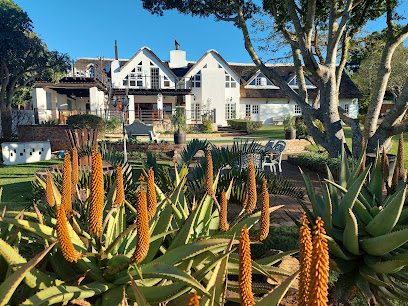
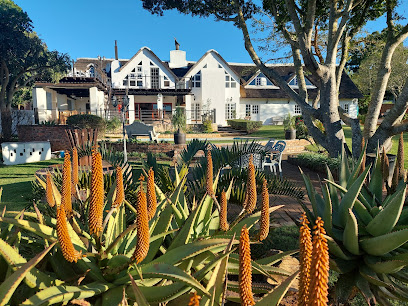
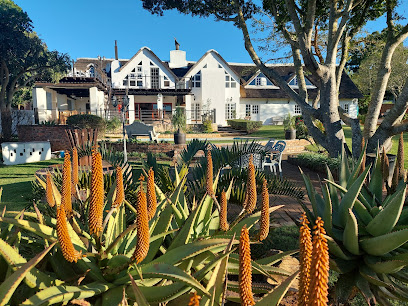
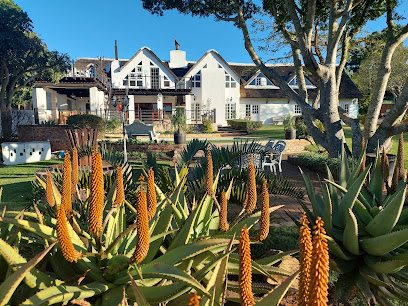
Accommodation options in Kariega span a spectrum from charming self-catering units to guesthouses and small lodges. A listed example of self-catering accommodation in the area is Little Tree Lofts, which emphasises independent living with its own kitchen facilities and a home-from-home ambience. Their site provides an overview of the space, location and how guests typically use the property during a stay. For potential guests, this can be a helpful reference point when comparing layouts, sleeping configurations and access to outdoor spaces. You can visit their website for more details: Little Tree Lofts.
Transport within Kariega is typically most convenient by car, giving you the flexibility to explore beaches, viewpoints and local eateries at your own pace. If you’re not driving, check whether your accommodation offers airport transfers or shuttle options to nearby towns. Local taxis and ride-hailing services may be available, but always confirm standby arrangements with your host or accommodation in advance. If you plan day trips, consider a planned route that includes a mix of natural scenery, coastal outlooks and a couple of relaxed meals at well-rated local venues.
Best time to visit Kariega depends on what you want from your trip. The region’s climate generally lends itself to year-round travelling, with summers warm enough for beachside relaxation and winters mild enough for long strolls and wildlife viewing. If you’re hoping to pair your stay with specific outdoor activities, consider shoulder seasons for fewer crowds and pleasant conditions. For wildlife-focused breaks, early mornings and late afternoons tend to be the most rewarding times of day, so ensure your schedule allows for those periods.
When booking, look beyond the price. Consider the suitability of bed arrangements for your party, accessibility features if needed, and whether the property offers flexible cancellation terms. Verify the cleanliness standards, the quality of linens and towels, and whether heat and lighting arrangements are well described. If you enjoy social experiences, you might value accommodations with communal spaces where fellow travellers share tips and local recommendations. For those seeking privacy, take note of room or unit layouts, soundproofing, and whether outdoor spaces are shared or private.
Nearby attractions and activities generally fall into several appealing categories. Nature lovers can expect opportunities for birdwatching, coastal walks, and easy hikes in surrounding landscapes. Wildlife experiences may range from protected reserves to scenic drives that reveal vast views and photography opportunities. For a relaxed day out, consider strolling through small towns, browsing local markets, and sampling regional flavours at casual eateries. Dining in the area tends to emphasise fresh seafood, farm-to-table produce and comforting pantry staples, with a variety of settings from rustic cafés to more polished bistros. Always check current hours and book ahead where possible, especially during peak seasons.
- Plan your stay with at least two base locations to balance coastal access with inland tranquillity.
- Prioritise self-catering options or guesthouses that provide flexible meal arrangements for longer breaks.
- Bring layers for variable coastal weather and comfortable walking shoes for outdoor days.
- Book in advance for popular time frames and consider midweek travel to avoid crowds.