Accommodating Port Alfred: where to stay, what to expect, and how to plan your visit
Port Alfred sits along the Cape coast in the Eastern Cape, a town famed for its long sandy beaches, the wide mouth of the three rivers, and a relaxed, friendly tempo that makes it a welcoming choice for families, couples and solo travellers alike. When planning a stay, the best approach is to balance riverside calm with easy access to the coast, wildlife experiences and convenient dining options. Whether you prefer a boutique guesthouse, a self-catering apartment, or a family-friendly hotel, there are choices to suit a range of itineraries and budgets.
Areas to consider when choosing accommodation include the coast and riverfront zones, the town centre, and quieter residential neighbourhoods a short drive from the main beaches. The coast offers direct beach access, easy strolls along promenades, and scenic views, while the riverfront area tends to be close to water activities, boat trips and waterside eateries. Central Port Alfred is convenient for walking to shops and cafés, as well as for easy day trips to nearby nature reserves and coastal villages. If you are planning a longer stay, look for properties with parking and good transport links, as not all parts of the town are equally served by public transport.
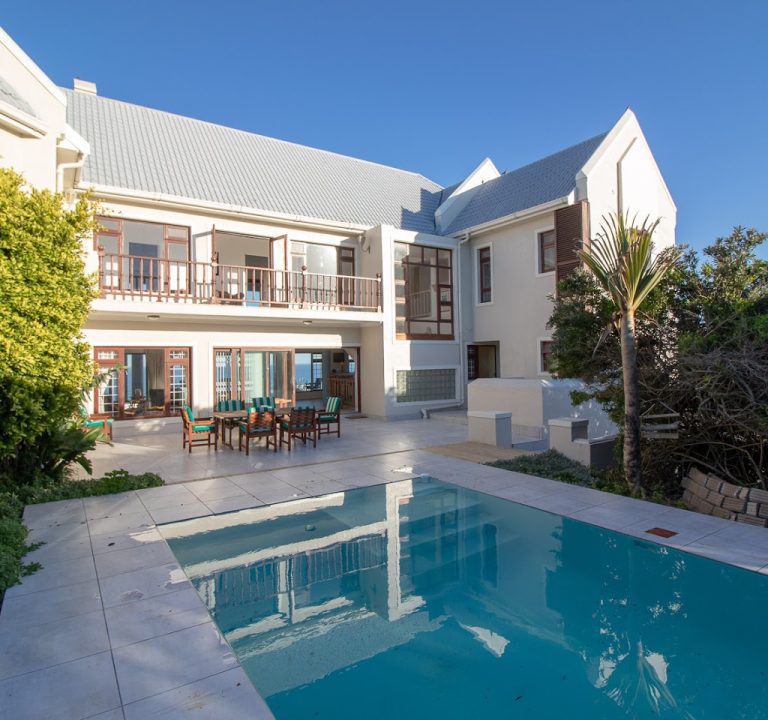
Typical amenities to look for include en-suite bathrooms, reliable wi‑fi, secure parking, and well-equipped kitchens or kitchenettes for self-catering stays. Many guesthouses and boutique hotels offer generous breakfast options, which can be a time saver for busy days of exploration. Outdoor spaces are a real bonus in Port Alfred: look for balconies, terraces, or courtyards, and, if you can, a pool or garden where you can unwind after a day of sightseeing. Families often favour properties with larger rooms or family suites, while couples may prefer intimate guesthouses with cosy lounges and quiet corners by the river or sea.
When planning transport, a car is typically the most convenient way to explore Port Alfred and its surrounds, including wildlife reserves, beaches, and nearby towns. Public transport is available in pockets, but schedules can be irregular, and some attractions are easier to reach by car. If you are arriving by air, the nearest larger hubs offer rental services, followed by a scenic drive to Port Alfred. For day trips, a car enables you to tailor your itinerary to weather, tides and your preferences for beaches, river activities, or hilltop viewpoints.
Best time to visit Port Alfred depends on your interests. The town enjoys temperate summers and mild winters, with peak beach season during the southern hemisphere summer months. The shoulder seasons can be particularly pleasant for outdoor activities, including hiking, birdwatching and river trips, with fewer crowds and often better-value rates on accommodation. If you are drawn to wildlife experiences, consider the seasons that suit coastal flora and fauna best, and check local operators for up-to-date schedules for boat trips or guided nature walks. Always plan for changeable coastal weather and have a flexible day-by-day plan so you can swap activities if conditions change.
Planning tips to help you make the most of your stay:
- Check access to the beach, riverfront or gardens from your chosen property, including parking and established paths for easy walks with children or mobility considerations.
- Ask about breakfast options, and whether your accommodation can accommodate dietary requirements or provide packed lunches for day trips.
- Consider a mix of accommodation types to balance convenience with local flavour—perhaps a boutique guesthouse for several nights followed by a self-catering apartment for a couple of days by the coast.
- Review cancellation policies and think about travel insurance in case of weather-related changes to plans.
- Booking near popular seasons early is wise, as rooms can fill quickly during holidays and long weekends.
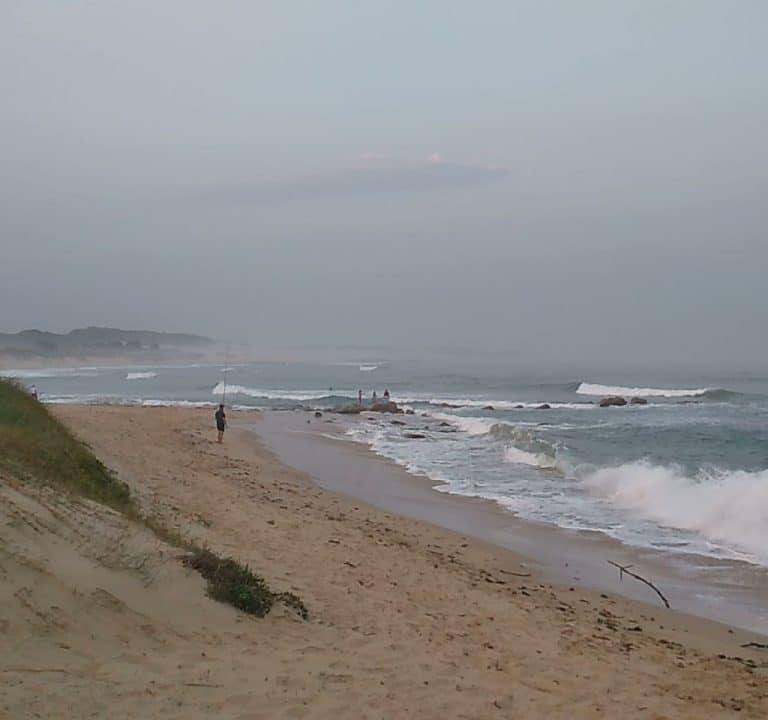
Attractions and experiences in the area tend to emphasise the coast, river, and surrounding landscapes. On the water, you can expect opportunities for safe swimming, sunbathing, kayaking, and leisurely boat trips along the estuary. The coastal and riverine scenery also lends itself to scenic walks, birdwatching, and gentle coastal hikes. Inland, nature reserves and rural viewpoints offer opportunities for nature drives, photography, and a taste of the wider region’s rural character. For those seeking culture and dining, Port Alfred’s dining scene typically features seafood, casual bistros and family-friendly eateries, with menus that celebrate local ingredients. Visitors often pair meals with walks along the waterfront or stretches of beach, enjoying fresh, relaxed meals that suit a laid-back holiday rhythm.
Restaurants in the area tend to be informal and welcoming, with menus designed for sharing or family meals. You’ll find venues that specialise in seafood, grilled dishes, and comforting fare, as well as contemporary options that blend local ingredients with modern cooking styles. It is common to encounter friendly service and the chance to sample regional favourites, making a stay here both satisfying and low-stress from day to day. If you are curious about the local dining scene, look for venues with nearby parking or easy access from your accommodation, and check whether they offer outdoor seating for evenings with cooler coastal air.
To round out your plans, keep a few practical notes in mind. Confirm access and check-in arrangements ahead of your arrival, especially if you are travelling with children or a pet. Bring appropriate beach wear, sun protection, and a light rain jacket for changeable coastal weather. If you are staying for more than a couple of nights, plan a mix of rest days and activity days so you do not exhaust yourselves in a short visit. Finally, consult the property’s website for local recommendations—many hosts and managers are happy to tailor a stay with personalised tips for where to eat, where to walk, and how to make the most of Port Alfred’s rivers and shores during your visit.