Port Shepstone: where to stay, eat and explore in KwaZulu-Natal
Port Shepstone sits on the KwaZulu-Natal South Coast, offering easy access to river estuaries, expansive beaches and the rolling farmlands of the inland. It functions as a practical base for travellers who want a quieter coastal experience while staying within reach of larger towns and game reserves. When planning a stay, consider areas that suit your pace: the beachfront spine for outgoing visitors, inland pockets for a more residential feel, and quieter residential neighbourhoods that feel tucked away yet convenient for day trips.
Accommodation in Port Shepstone ranges from comfortable guesthouses and self‑catering units to mid‑range hotels and boutique lodges. Look for options with clear indications of the following amenities: reliable air conditioning or fans for hot summers, good hot water supply, secure parking, and easy access to public transport or road links. If you’re touring by car, a stay with on‑site parking and straightforward access to the N2 and regional routes can minimise daily hassles. For longer stays, think about properties that offer self‑catering facilities, a shared kitchenette, or laundry services, which can make a visit feel more relaxed and economical.
Booking tips to help you plan more confidently:
- Define your priorities early—beach proximity, quiet zones, or swift access to towns for shopping and dining.
- Check for family‑friendly features if you’re travelling with children (e.g., enclosed courtyards, iron, kettle, and play areas).
- Assess transport options: whether a place offers shuttle connections, proximity to taxi services, or is easily reachable by car for day trips.
- Review cancellation policies and seasonal rate variations, especially for peak holiday periods when demand can be high.
- Read guest reviews with a focus on cleanliness, soundproofing, and the helpfulness of hosts or staff.
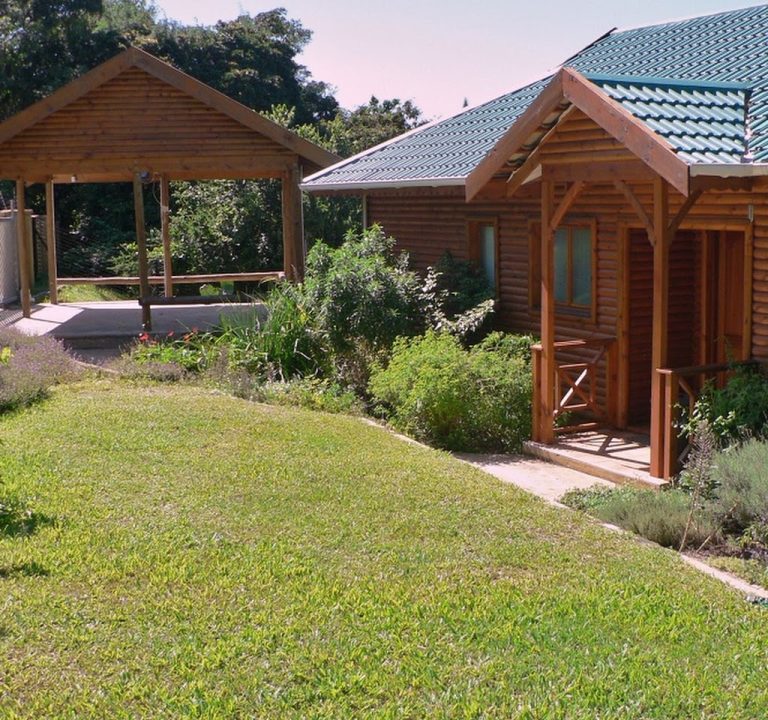
Typical amenities you can expect include en suite bathrooms, Wi‑Fi, televisions, and daily housekeeping in many guesthouses and smaller hotels. A growing number of properties also provide outdoor spaces such as verandahs, balconies, or shared gardens where you can enjoy morning coffee or an evening breeze. Depending on the season, some accommodation may offer outdoor pools, braai facilities or shaded outdoor seating. If you’re visiting during summer, ask about security for night arrivals and the availability of shaded parking or alternative entrances to keep things easy and safe after dark.
Transport and getting around is straightforward, though the town is best explored with a car. The surrounding coastline is dotted with scenic viewpoints and quieter beaches, so plan your days with a rough itinerary: one day on the coast, one day inland or to a nearby town, and a day for a longer excursion to a nature reserve or a cultural site. If you forego a rental car, check whether your accommodation can arrange transfers or advise on local taxi services, and confirm pick‑up points in daylight hours.
The best time to visit Port Shepstone is linked to the coastal climate. Summers are hot and humid with a possibility of rain, while winters are mild and dry, making it pleasant for outdoor activities and sightseeing. The shoulder seasons—spring and autumn—often bring comfortable temperatures and quieter towns with a chance to discover local markets and eateries without the peak‑season crowds. If you’re hoping to combine a beach stay with day trips to nearby reserves or towns, aim for late spring or early autumn for a balanced experience.
When planning activities, consider a mix of natural and cultural pursuits. Coastal walks along the shore or river paths offer a chance to spot birdlife and seasonal wildlife, while nearby inland routes reveal rural KwaZulu‑Natal scenery. For a relaxed day, you can opt for a coastal drive with scenic stops or a leisurely day on the water. In town, you’ll find eateries that emphasise fresh, seasonal ingredients and coastal flavours; many places offer modest menus designed for sharing plates, light lunches and casual dinners, rather than formal tasting menus. If you’re seeking recommendations, consult local guides or your accommodation host for up‑to‑date suggestions on dining ambiance and menus to suit your taste and budget.
Practical tips for a smooth stay: book a little in advance during school holidays or public holidays to secure your preferred area and property type. Bring sun protection, lightweight rainwear for sudden showers, and comfortable footwear for exploring varied terrain. If you plan to visit during the warmer months, pack a swimsuit and a light cover‑up for the beach, while autumn and winter evenings can be cooler, so a light jumper is handy. For pet owners, confirm pet policies in advance as many properties in coastal towns follow strict pet restrictions, especially during peak periods. Finally, keep a copy of important information, such as the address and directions to your accommodation and a plan for daylight arrivals and departures, so you can navigate more easily if you arrive after dark.
To learn more about where to base your stay and to discover broad visitor information, you can explore KwaZulu‑Natal Tourism resources and regional information for the Port Shepstone area. For practical planning and general inspiration, see visits to the KwaZulu‑Natal South Coast’s overview pages or your chosen accommodation’s own website to confirm current facilities, access and local recommendations: KwaZulu‑Natal Tourism and Port Shepstone area information.