Jeffreys Bay: Where to stay and what to do for a coastal South African escape
Jeffreys Bay, on the Sunshine Coast of the Eastern Cape, is renowned for its long sandy beaches, surf culture and relaxed town atmosphere. Whether you’re seeking a family-friendly beach break, a romantic weekend, or a base for exploring the wider region, the town offers a range of accommodation options that sit close to the water or tucked away in leafy residential streets. Planning a stay here means weighing location, access to activities, and the type of stay you want—from self‑catering holiday homes to boutique guesthouses and serviced apartments.
When choosing where to stay, consider the different areas around Jeffreys Bay. The main beach and town centre are ideal if you want proximity to the surf, cafés and essential shops, with easy access to gentle coastal walks and the iconic coastline. If you prefer a quieter ambience, look for properties a little further from the centre, where you can wake up to views of dunes or the river estuary, often with more spacious outdoor living spaces. For families or groups, a holiday home or townhouse with multiple bedrooms, a private garden and parking can be particularly convenient and cost-effective for longer stays.
Key features to look for when booking include a reliable clean and well-maintained space, clear rules about shared facilities if it is a multi‑unit property, and practical amenities that make a stay comfortable. Typical conveniences in Jeffreys Bay accommodation range from well‑equipped kitchens and secure parking to accessible wi‑fi, laundry facilities, and outdoor areas such as patios or braai (barbecue) spaces. If you’re visiting during peak season, confirm the check‑in process and any restrictions on late arrivals, as some properties may have specific windows for access. For longer stays, the option of a weekly housekeeping service or linen changes can be a welcome addition.
Transport in Jeffreys Bay is straightforward but planning ahead helps maximise your time. The town is walkable in the centre, and many accommodation options offer parking. If you’re renting a car, you’ll appreciate the flexibility to explore nearby beaches, viewpoints and nature trails. Public transport is available but less frequent, so most visitors rely on private transport or local taxis for longer day trips. If you plan day excursions to nearby towns or nature reserves, allocating travel time in your itinerary is wise, particularly in peak season when lanes can be busy and roadworks occasionally affect routes.
One of the reasons travellers choose Jeffreys Bay is its access to a variety of outdoor activities. The coast is synonymous with excellent surfing conditions, while the sheltered bays and tidal pools offer safer experiences for beginners and families. Beach access can be dependent on tides and weather, so it’s sensible to check local surf reports or talk to your hosts about the best spots for swimming, paddling or sunbathing. For nature lovers, nearby wetlands, estuaries and nature reserves provide opportunities for birdwatching, hiking and scenic viewpoints along coastal trails. If you enjoy long walks, a sunrise or sunset stroll along the sand or along coastal paths makes a memorable highlight of any stay.
In terms of dining and evenings out, Jeffreys Bay has a growing range of casual eateries and family‑friendly venues. Expect laid‑back cafés serving desayunos and lunches, popular spots for sunset drinks, and restaurants that specialise in fresh seafood and modern South African flavours. Many visitors opt for a relaxed meal close to their accommodation, while others enjoy wandering into the town centre for a wider choice of casual dining options. When planning meals, it’s worth noting that some eateries may operate on shortened hours outside peak season, so a quick glance at opening times or a quick chat with hosts can save you from an empty stomach late in the day.
Best time to visit Jeffreys Bay depends on what you want to do. The summer months (December to February) bring warm seas and lively beach action, making it ideal for sunbathing, swimming and water sports, with longer daylight hours. However, this is also the busiest period, so advanced booking is advised for accommodation and popular activities. Autumn and spring offer milder weather with fewer crowds and can be excellent for coastal walks and birdwatching. The winter months are cooler but still mild by UK standards, with a different seasonal charm and the chance to enjoy quiet beaches and more affordable accommodation. Always consider local weather patterns and ocean conditions when planning a coastal trip, and have a flexible plan to adapt to changing conditions.
Practical tips for a smooth stay:
- Book accommodation with clear cancellation terms and a trusted host profile, especially if you’re travelling with family or a group.
- Check proximity to your preferred activities, whether that’s the beach, surf schools, or trailheads, to minimise daily transfers.
- Confirm kitchen facilities and laundry options if you’re self‑catering, and ask about any shared spaces if you’re staying in a boutique guesthouse or apartment building.
- Pack essentials such as sun protection, a light waterproof layer, and comfortable footwear suitable for sand and coastal walks.
- Respect local guidelines and environmental considerations, especially in protected areas and nature reserves.
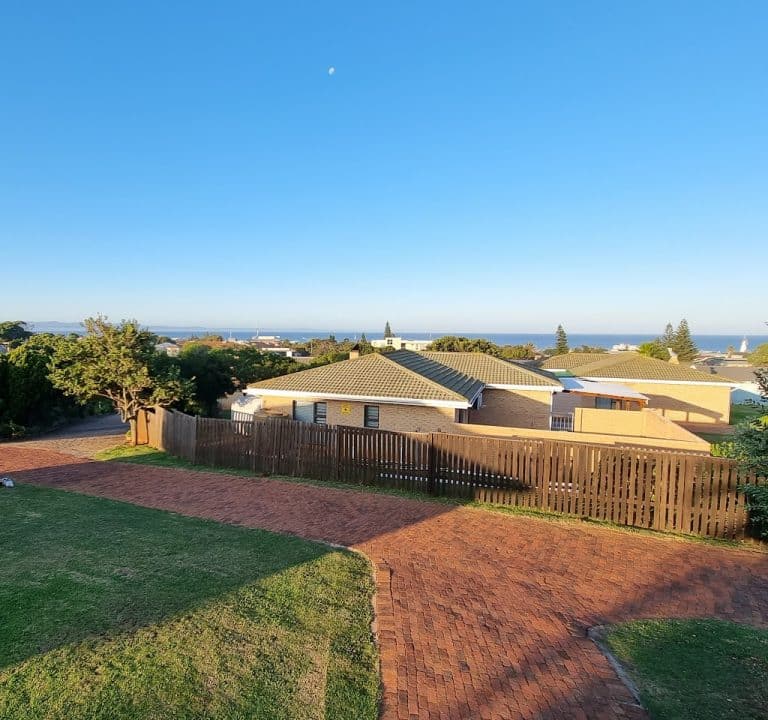
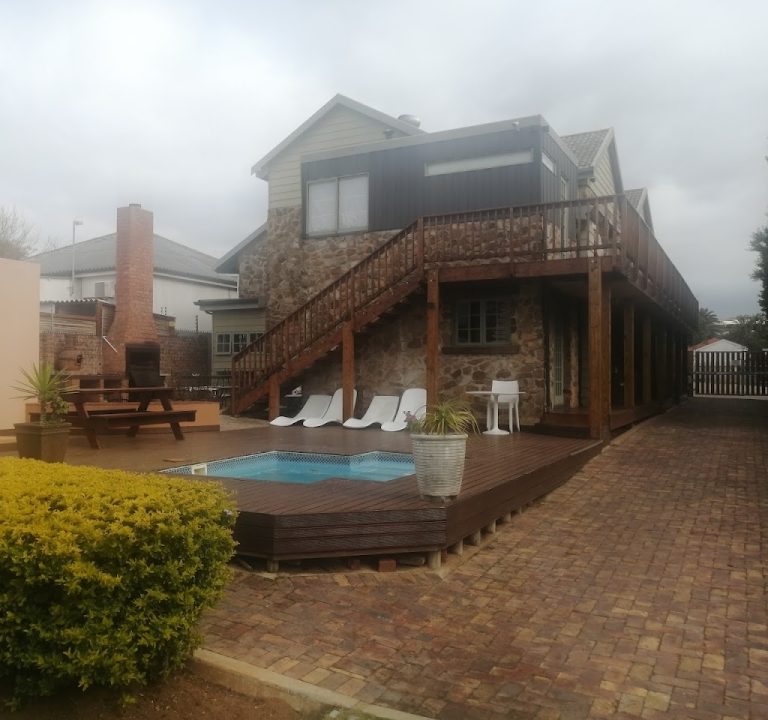
For visitors exploring Jeffreys Bay, a stay can be a balanced mix of beach downtime, light adventure and relaxing evenings. A well‑chosen property acts as a comfortable home base from which to discover the town’s friendly hospitality, broad coastline and the surrounding Eastern Cape landscape. For those seeking a specific style of accommodation—whether a holiday home like LingaLonga JBay Holiday Accommodation or a boutique guesthouse—the emphasis should be on finding a space that aligns with your pace, family needs and travel aims, while keeping practicalities in mind to ensure a relaxed and memorable South African coastal break.