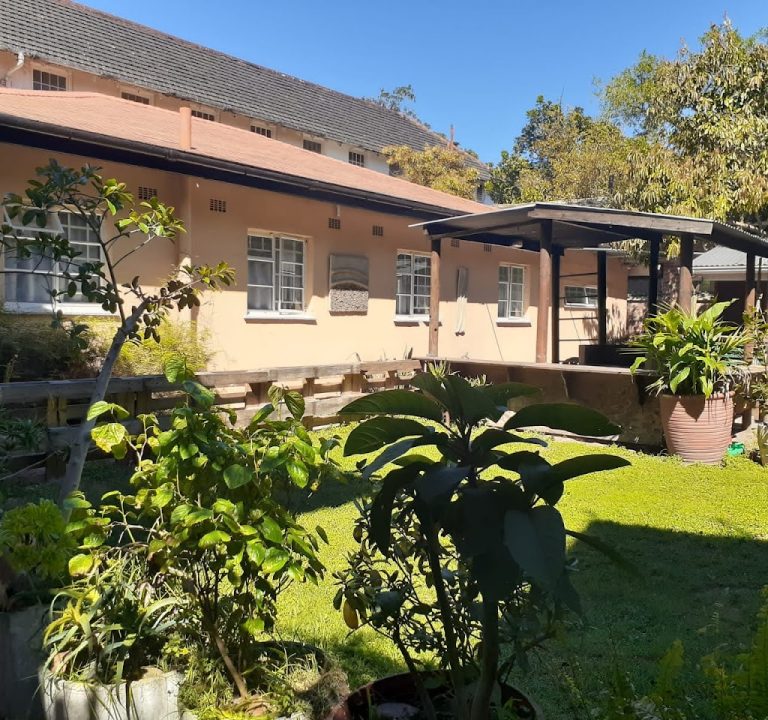
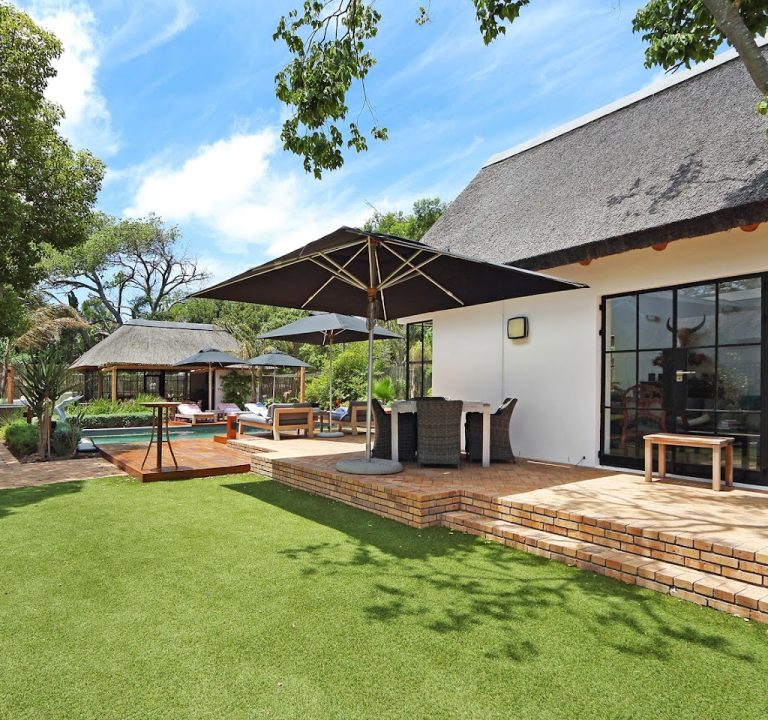
Lighthouse Farm Lodge is a Hostel establishment in Cape Town, Western Cape, South Africa
About Lighthouse Farm Lodge: A Peninsula Backpackers Stay in Cape Town’s Rural-Urban Fold
Located within the Oude Molen Eco Village on the edge of central Cape Town, Lighthouse Farm Lodge offers a humble, community‑m centred stay for travellers seeking affordable, self‑catering accommodation with a farm‑style flavour. The property sits on the last remaining farmland in the area, presenting open fields, rivers and striking perspectives of the Table Mountain Range, Devils Peak and Lion’s Head visible from the doorstep. It is convenient for guests who want quick access to the city centre while enjoying a village atmosphere that blends urban life with green spaces and a sense of place.
Designed as a backpackers and hostel‑type lodge, Lighthouse Farm Lodge positions itself as basic, self‑catering accommodation rather than a hotel. It emphasises a “home away from home” feel, where guests settle into a friendly, informal environment that suits those exploring Cape Town on a budget or travellers who prefer shared spaces and a straightforward base from which to discover the region. The emphasis is on practicality and sociability—guests can expect simple, functional rooms and common facilities rather than luxury, with an approach that aims to be honest about what the property offers.
Accommodation is varied enough to suit different needs while remaining true to its modest, self‑catering model. Available options include cosy self‑catering dorm rooms for those travelling light, alongside comfortable double rooms and family units. The mix supports solo travellers, small groups and families who want a flexible, affordable stay without the trappings of a full‑service hotel. The lodge’s setting—within the eco village—adds another layer of experience, combining rural character with easy access to Cape Town’s urban pulse.
Facilities at Lighthouse Farm Lodge are oriented toward practical, value‑driven stays. Guests benefit from a fully stocked self‑catering kitchen, enabling meal prep and socialising in a shared space. A cosy TV lounge with OPEN View TV and a book swap library offer a communal retreat for evenings in, while free WiFi is available throughout the village for daily connectivity. Practical touches such as laundry services, secure parking and a garden with a braai area ensure convenience for travellers who value flexibility and outdoor enjoyment. The village setting also supports a relaxed pace, with opportunities to stroll through communal areas, visit the farm stall, or simply take in the rural‑industrial juxtaposition of the Eco Village.
Guests staying at Lighthouse Farm Lodge are encouraged to explore the broader offerings of the Oude Molen Eco Village. The village is home to a diverse mix of enterprises and experiences, from the Millstone Farm Stall & Tea Garden—providing breakfasts, light lunches and sweet treats—to craft, permaculture and community projects that characterise the area. The on‑site and nearby facilities complement the budget‑friendly lodging by offering practical amenities and local flavour without imposing rigid service levels of a conventional hotel.
Positioned within easy reach of central Cape Town, Lighthouse Farm Lodge benefits from strategic travel connections. The Eco Village sits just a short drive or rail ride from the city centre, and a rail link at Pinelands station is a mere stroll away—making it feasible to combine a city foray with a calmer, rural‑tinged base. From the lodge, the drive to central Cape Town or the southern beaches is straightforward, enabling guests to structure day trips around markets, museums and scenic viewpoints without sacrificing budget or comfort.
For guests seeking guided experiences, the lodge offers assistance with arranging tours and itineraries through reception. The village itself is a living example of eco‑friendly living, with a focus on renewable energy, urban agriculture and a light footprint, inviting travellers to participate in a sustainable travel mindset while enjoying a hospitable, low‑key stay. The surrounding natural setting—river corridors and wetlands framed by dramatic mountain views—provides a scenic backdrop perfect for day walks, photography and quiet moments between Cape Town’s iconic attractions.
Who is Lighthouse Farm Lodge best suited for? It appeals to independent travellers, backpackers and families who prioritise value, self‑catering convenience and a sociable, unpretentious environment. It is less about indulgent comforts and more about practical accommodation that supports exploration, community interaction and an authentic, affordable Cape Town experience. For those who plan to spend long days out—hiking Table Mountain, exploring the city’s markets, or visiting local eco‑projects—the lodge provides a straightforward, easy‑to‑navigate base with reliable access to central sights and transport links.
Booking and travel tips: guests are encouraged to book direct where possible and to be mindful of the self‑catering, hostel‑style model. The location’s strengths lie in its proximity to downtown Cape Town (around a 10‑minute drive or train ride) and to beaches, with the Eco Village’s countryside ambience forming a gentle contrast to urban experiences. When planning visits, consider arranging tours or shuttle options through the reception, and take advantage of the on‑site farming and village atmosphere to enrich the travel experience. For more information, the property maintains a dedicated online presence with pages detailing facilities, directions and local attractions, as well as links to nearby tours and experiences.
- Facilities include a fully equipped self‑catering kitchen, cosy TV lounge, book swap library, and free WiFi across the village.
- Nearby highlights encompass the Oude Molen Eco Village itself, river and wetlands views, and convenient access to central Cape Town.
- Well suited for backpackers, solo travellers, and families seeking an affordable, sociable, self‑catering stay.
Cape Town
Western Cape
7700
South Africa


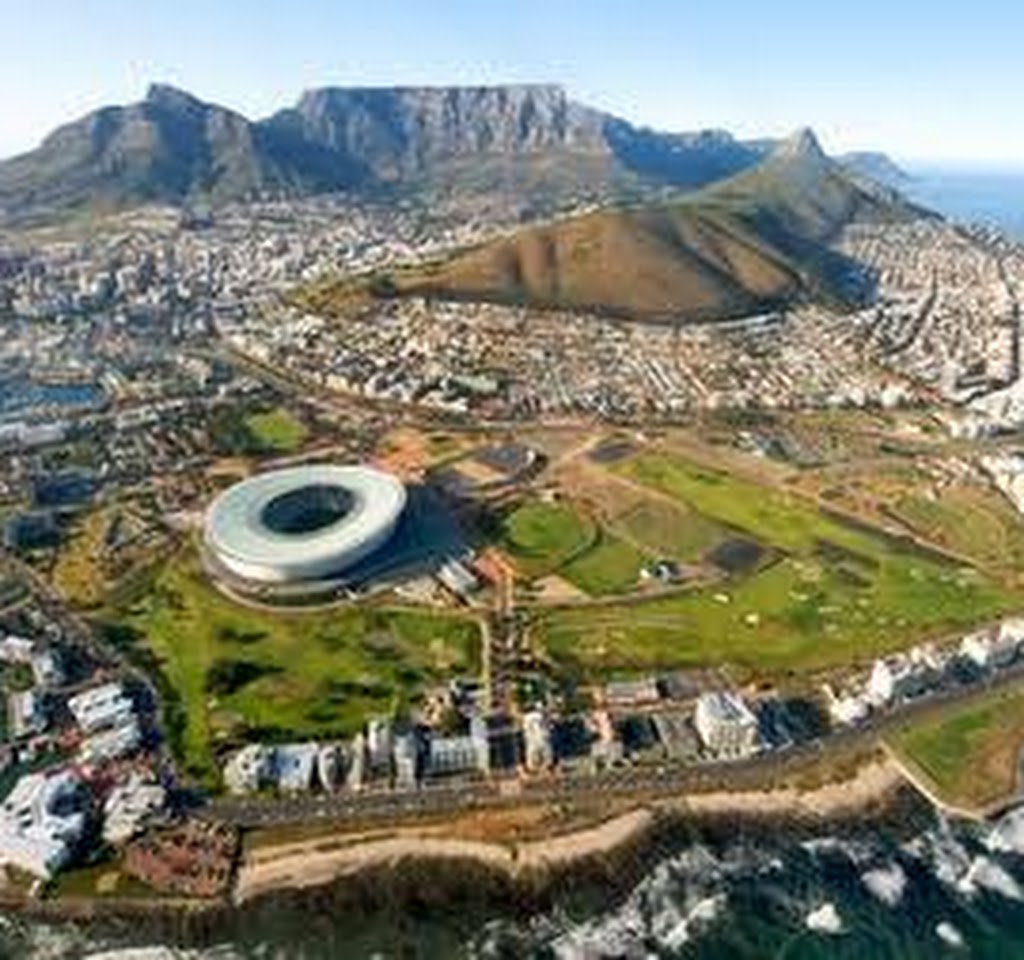
Accommodation and Experiences in Cape Town: Where to Stay and What to Do
Cape Town offers a rich mix of accommodation styles to suit every traveller, from budget-friendly hostels to stylish guesthouses and well-connected city-centre hotels. When planning a stay, think about what you want to wake up to each morning: sweeping harbour views, the ease of hopping on trains to explore beyond the city, or a quieter neighbourhood that feels like a home away from home. The city’s diverse districts each have their own character, so consider spending time in a few different areas to make the most of your visit.
For those seeking a community-oriented base close to nature, a stay near the city’s green corridors and historic districts can be ideal. The Lighthouse Farm Lodge, for example, is positioned in an eco village setting within easy reach of downtown Cape Town by car or rail, offering self-catering facilities, shared spaces, and access to farm-stable and village amenities. Such options tend to emphasise a simple, social experience with a compact footprint that helps travellers manage budgets while still enjoying a central location.
Areas to consider include the following, each with distinct advantages:
- City Centre and the Foreshore: Short walks to museums, artisan markets, and a lively dining scene. Excellent for nightlife, business travellers, and first-time visitors wanting a classic Cape Town experience.
- Atlantic Seaboard ( Camps Bay, Clifton, and Sea Point): Pros include beach access, scenic coastal walks, and a variety of contemporary eateries. Great for sunbathers and those seeking a resort vibe with city access.
- Green Niche and Pinelands/Observatory corridors: Quieter residential settings with easy rail or road links to the city. Good for travellers who want a more relaxed stay while remaining close to major sights.
- Oude Molen and neighbouring eco-villages: A community-focused option with farm-life ambience, gardens, markets, and informal tours—perfect for travellers who enjoy local culture and sustainable living.
Typical amenities to look for when booking include reliable Wi-Fi, self-catering facilities or a convenient breakfast option, secure parking, and access to public transport or easy taxi links. Many establishments offer communal lounges, outdoor spaces for braais (barbecues), and provisions for families or solo travellers alike. Short stays or longer residencies benefit from flexible policies, clear cancellation terms, and transparent information about shared facilities or private rooms.
Transport is a practical consideration in Cape Town. The MyCiTi bus network and railway services connect downtown with the surrounding suburbs and the Atlantic beaches. If you are staying in a village-like setting or a hostel with its own shuttle arrangements, confirm how you’ll reach the most popular attractions or the city centre. In many cases, a quick train ride or a short drive places you within reach of iconic viewpoints, nature reserves, and famous restaurants.
The best time to visit Cape Town depends on what you want from the trip. Late spring and early autumn (roughly September to November and March to May) bring mild weather, fewer crowds, and pleasant outdoor conditions for hiking, sightseeing, and outdoor dining. Summer is ideal for beach days and long days on the coast, while winter offers quieter galleries and cultural venues, along with the occasional rain shower that can add drama to a coastal landscape.
When planning activities, consider a mix of natural experiences, cultural excursions, and dining experiences. Iconic draws include the city’s mountains and harbour, nearby wine estates in the surrounding region, and historic townships with guided tours that emphasise local stories and crafts. For meals, Cape Town’s dining scene ranges from casual cafes and farm-to-table eateries to refined restaurants focusing on fresh seafood or innovative meat-free options. You’ll find many venues prioritising seasonal ingredients, view-rich locations, and friendly, unpretentious service.
Practical planning tips:
- Book in advance for peak seasons and secure a flexible rate where possible.
- Choose accommodation with easy access to a rail link or reliable road transport if you plan day trips.
- Pack layers for variable coastal weather and comfortable walking shoes for city explorations.
- Check for on-site facilities such as kitchens, laundry, and storage for gear if you’re hiking or touring surrounding areas.
- Consult local maps and brochures provided at reception for self-guided routes, seasonal markets, and family-friendly activities.
For travellers who wish to stay near the heart of Cape Town yet enjoy a village atmosphere, properties like Lighthouse Farm Lodge exemplify the blend of simple, self-contained accommodation with access to green spaces, nearby markets, and a short journey to the city’s core. Visit the property’s website to learn more about amenities and location, and to explore tour options that suit different itineraries. Remember to plan with an eye on transport times, given that Cape Town’s attractions can be distributed across a wide area but remain well connected by rail and road.
In short, a well-planned Cape Town stay balances comfortable, affordable lodging with access to nature, culture, and cuisine. Whether you opt for a bustling city base, a quiet village setting, or a mix of both, you’ll discover how the region’s dramatic landscapes and dynamic neighbourhoods harmonise to create a memorable travel experience. For more details on Lighthouse Farm Lodge and its facilities or to explore booking options, see the link to the official website.
Sorry, no records were found. Please adjust your search criteria and try again.
Sorry, unable to load the Maps API.
Why Claim Your Listing?
Claiming your listing on the B&B Finder directory website is a valuable opportunity for business owners. Here are five reasons why you should consider claiming your listings:
Control Over Business Information: By claiming their listing, business owners can ensure that all the information presented is accurate and up-to-date. This includes details such as contact information, address, pricing, and available services or amenities. Accurate information helps prevent customer confusion and improves overall satisfaction.
Enhance the Listing: Once a listing is claimed, owners can enhance it by adding more comprehensive information and rich media, like high-quality photos and videos. These additions can make the listing more attractive and engaging to potential customers, thereby increasing the likelihood of bookings.
Marketing Opportunities: Claiming a listing can also open up additional marketing opportunities. Owners may be able to participate in promotional campaigns, special offers, and other marketing activities organized by the directory. This can increase visibility and attract more customers to the business.