A Traveller’s Guide to Accommodation and Attractions in Colesberg, Northern Cape
Colesberg sits in the heart of the Karoo, a historic gateway along the N1 route between Cape Town and Johannesburg. It’s a small town with a big sense of place, where travellers can unwind in restful lodgings and explore landscapes that feel timeless. Whether you’re passing through on a road trip or staying a night or two to soak up Karoo tranquillity, Colesberg offers a range of accommodation options, from traditional bed and breakfasts to country inns and guesthouses. Planning a stay around the town’s layout—central streets, historic precincts, and nearby farmland—helps you balance convenience with the chance to experience rural South African hospitality at its best.
Areas to consider when booking include the town centre, where many B&Bs and guesthouses cluster near the historic main road and the calm of tree-lined streets. Staying here offers easy access to shops, cafés, eateries, and the local museum, with a pleasant walk to vantage points and open spaces. For travellers who want a more rural setting, consider guesthouses or farm-stay style lodges in the surrounding countryside. These options often provide quieter mornings and spectacular Karoo skies, with opportunities for stargazing, morning bird life, and longer stretches of uninterrupted quiet between travel itineraries.
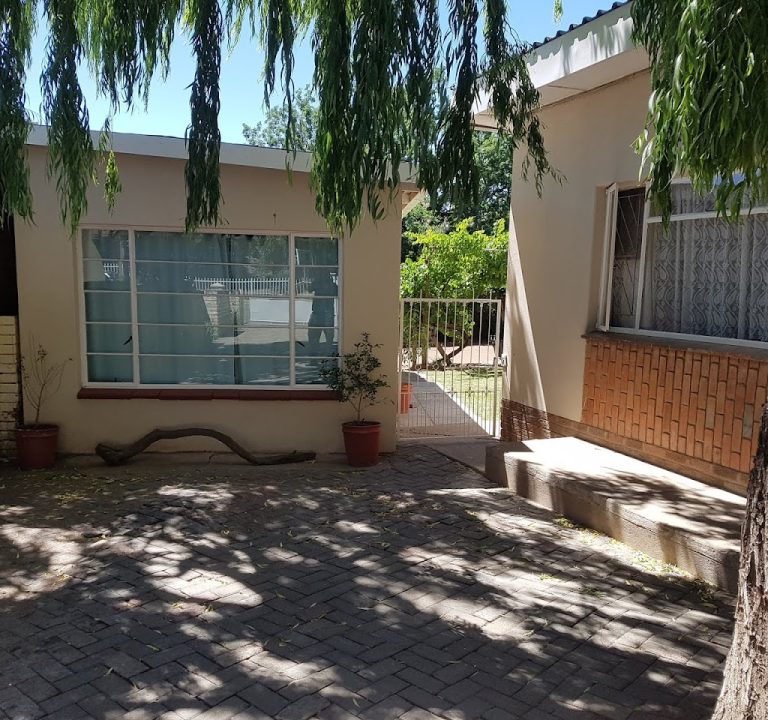
When choosing accommodation, look for a few practical features that make a stay comfortable after long drives. A robust breakfast or self-catering facilities are helpful if you’re budgeting or starting early for a day’s exploration. En-suite bathrooms and reliable heating in the Karoo evenings are common and valued amenities, especially outside the peak heat of summer. If you’re visiting in autumn or winter, check warming amenities, such as fireside spaces or space heaters. If you’re travelling with family or friends, ask about multi-room options and flexible room allocations. Some properties in Colesberg offer courtyard seating, shaded verandas, or shared lounges where you can unwind with a book or plan the next day’s activities.
Typical amenities to expect include secure parking, Wi‑Fi, refrigerators or kitchenette access, and convenient access to a laundry service. Many guesthouses pride themselves on personal touches—homely breakfasts, local recommendations, and a calm, friendly atmosphere that helps you feel at home. If you have specific needs, such as mobility access or dietary requirements, it’s worth confirming these in advance to avoid any last‑minute surprises on arrival.
Transport in Colesberg is straightforward if you have a car. The town’s layout is walkable in places, but a car makes it easier to reach surrounding farms, viewpoints, and nearby nature trails. If you’re travelling by bus or arranging a longer road trip, you’ll want to factor in driving times from major cities. While Colesberg is not a large urban hub, many visitors appreciate the ease of short transfers between lodgings, cafés, and the historic core. Local operators sometimes offer guided day trips or scenic drives, which can be a convenient way to experience the Karoo landscape without the logistical planning yourself.
The best time to visit Colesberg is linked to what you want from the Karoo. Spring (late August to November) brings milder temperatures and flowering vegetation, while autumn is ideal for clear skies and comfortable daytime temperatures. Summer can be warm, and winter brings crisp mornings and cool evenings, sometimes requiring warmer clothing. For stargazers, the Karoo’s dark skies offer excellent opportunities on clear nights, particularly outside town lights. If you are chasing outdoor activities such as nature walks, birdwatching, or farm experiences, plan around the weather and daylight hours to get the best out of each day.
Attractions and experiences in general terms include the town’s historical architecture, a local museum or heritage sites, and natural surroundings that lend themselves to day walks or short drives. You may find pleasant strolls along historic streets, with opportunities to observe traditional Karoo life and rural scenery. Nearby natural settings offer space to unwind, take photographs, and enjoy wide horizons. For dining, Colesberg’s restaurants and cafés typically serve hearty, comforting meals influenced by local ingredients and flavours. Look for places that prioritise fresh produce, warm service, and a relaxed atmosphere after a day on the road. If you are seeking a broader selection, you can also explore dining options in nearby towns and rural eateries that showcase regional hospitality.
Practical tips for planning your stay:
- Book ahead for peak travel periods and consider nearby farm-stay options for a quieter experience.
- Check breakfast inclusions and kitchen facilities, especially if you are independent with meal plans.
- Ask about parking arrangements and Wi‑Fi reliability, which can vary by property.
- Plan your day around the best light for photography and the cooler morning hours for outdoor activities.
- Bring warm clothing for cooler evenings, even in summer, and sun protection for daytime exploration.
- Look for local knowledge from hosts—recommendations for scenic drives, walks, and welcoming eateries are often the best way to experience Colesberg.
For further inspiration and planning, you can explore general tourism information about the Northern Cape and Colesberg through official travel resources and regional tourism portals. A stay in Colesberg can be a refreshing pause on a longer journey, offering comfortable accommodation, hospitality, and a taste of Karoo life that makes every mile of travel feel worthwhile. If you are researching specific properties, visit their official websites for the most up-to-date details on availability, amenities, and surrounding attractions.