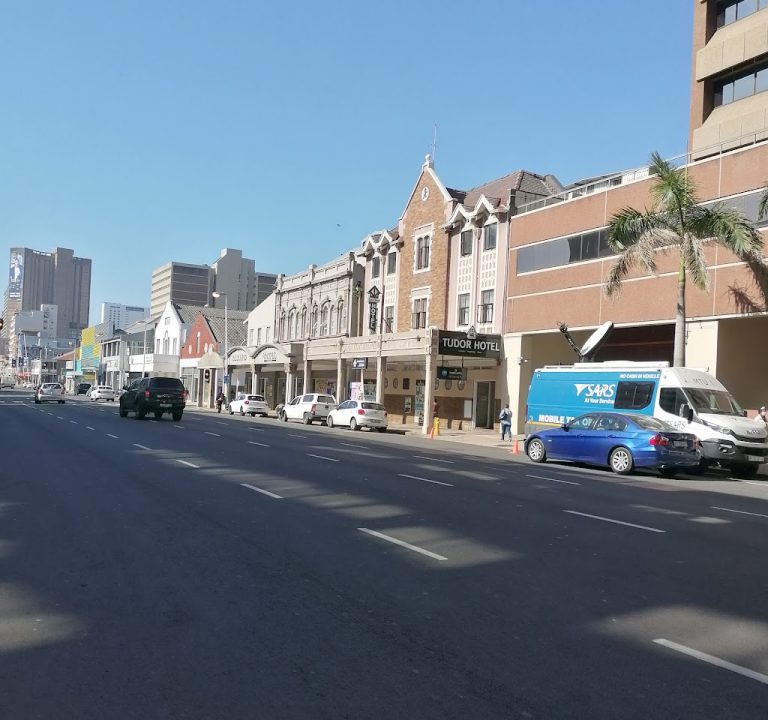
Durban, KwaZulu-Natal: where to stay and what to do
Durban is a vibrant coastal city that blends subtropical beaches, dynamic culture and a welcoming, relaxed pace of life. When planning a stay, think about your priorities: easy beach access, proximity to dining and nightlife, or a quieter neighbourhood with easy access to nature. The city offers a range of accommodation options, from stylish guesthouses and mid-range hotels to larger lodges and self-catering apartments. Consider grouping your base by area to limit daily travel time and maximise your time exploring the city and its surrounds.
Areas to consider
- Central Durban and the Golden Mile: A convenient hub for visitors who want to walk to the promenade, enjoy city sights and be close to restaurants and nightlife. This area is typically lively and well-served by public transport and taxis.
- The Berea: A leafy, residential district with a mix of boutique guesthouses and smaller hotels. It’s close to cultural attractions, museums and the city’s historic architecture, often offering a calmer stay while remaining accessible to the beachfront.
- Durban North and Morningside: Practical for families or travellers seeking a more residential feel with good access to shopping centres, cafés and easy routes to the coast.
- Umhlanga and the North Coast: A short drive from central Durban, this area is known for its long beaches, modern hotels and a higher concentration of international visitors. It can be convenient for those planning day trips to the northern coast and nearby nature reserves.
What to look for when booking
- Location relative to your planned activities: coastline access versus city sights, and proximity to transport hubs or rental car services.
- Guest experience and service style: purpose-built hotels, family-run guesthouses, or self-catering flats each offer a different rhythm and level of assistance.
- Amenities that matter to you: secure parking, housekeeping frequency, 24-hour reception, on-site dining options, or a pool and outdoor spaces.
- Safety and access: well-lit neighbourhoods, clear entry procedures, and sound security in rental properties and hotels.
- Flexibility in dates and terms: cancellation policies, minimum stay requirements, and any seasonal surcharges.
Typical amenities and practical planning tips
Durban’s accommodation stock often includes en-suite bathrooms, air-conditioning or fans, and in-room conveniences such as coffee-making facilities and Wi‑Fi. Some properties offer breakfast, while others function on a self-catering or bed-and-breakfast basis. If you anticipate days out in the heat, check for shaded outdoor spaces, a pool, and easy access to beaches and parks. Proximity to supermarkets or cafes can make longer stays more comfortable, particularly for families or groups.
Transport and getting around
Durban is user-friendly for visitors who hire a car, but many guests rely on local options too. The MyCiti bus network provides a straightforward way to move along the coast and into central areas, while ride-hailing services and taxis remain practical for short hops and evenings out. If you plan day trips to natural attractions or the nearby province of KwaZulu-Natal’s inland spots, a car will offer the most flexibility. If you prefer not to drive, check whether your chosen base is close to reliable public transport links and taxi services, and consider booking transfers for longer day trips.
Best time to visit
Durban enjoys warm, subtropical weather for most of the year. The peak beach season runs through the southern hemisphere summer, when seas are typically inviting and the city hosts a lively calendar of outdoor events. Winter months are milder, with comfortable days that are ideal for exploring the markets, museums and coastal walks without the heat. If you’re chasing specific outdoor activities, such as long beachfront strolls or nature walks, plan around the typical rainy seasons and sea conditions, and always check local forecasts before setting out.
What to do and see in general terms
Visitors tend to enjoy the long, sandy beaches along the Golden Mile, strolls along the harbour and promenade, and discovering Durban’s markets and cultural spaces. The surrounding region offers opportunities to explore subtropical nature reserves, coastal trails, and scenic drives along the KwaZulu-Natal coastline. Dining at a range of eateries—from casual seafood spots to more contemporary bistros—allows visitors to sample coastal flavours and regional produce without committing to formal dining every night. For a relaxed day, consider a coastal walk, a visit to a museum or a gallery, or a family-friendly beachside afternoon.
Practical planning tips
- Book accommodation with refundable rates where possible, especially if your plans may shift.
- Check for a clear cancellation policy, and confirm whether breakfast or on-site dining is included.
- Assess travel time to planned activities and consider staying in a central area for easier access to multiple sights.
- Pack sun protection, light layers for evenings, and comfortable footwear for walking on varied surfaces.
- Look for properties with secure parking or easy access to public transport if you plan to travel without a car.
Whether you’re planning a beach-forward break, a culturally rich city visit, or a base for short excursions along the KwaZulu-Natal coast, Durban offers a range of stays that suit different rhythms and budgets. For more inspiration and practical planning, you can explore official Durban tourism resources and local hospitality guides to identify areas and properties that match your travel style. Libo, a category-focused stay in this region, reflects how visitors balance comfort, convenience and South Africa’s famed coastal experiences.