Dolphin Coast, KwaZulu-Natal: where to stay, what to do, and how to plan your visit
The Dolphin Coast of KwaZulu-Natal offers a relaxed coastal lifestyle with golden beaches, warm Indian Ocean waters and a mix of self-catering escapes, boutique guesthouses and family-friendly lodges. Whether you’re seeking a restful beach break, a surfing-friendly stay or a base for exploring the region’s nature reserves, the area provides options that suit a range of budgets and travel styles. A well-planned stay here combines comfortable accommodation with easy access to scenic shorelines, coastal towns, and hinterland activities.
Where to stay matters as much as what you want to do. The coast is linked by the N2 and a ribbon of coastal towns, each with its own character. Ballito, a lively family hub, often tops visitors’ lists for its wide choice of accommodation, beaches and convenient access to supermarkets, dining and hire services. Salt Rock and surrounding villages provide a quieter atmosphere, with smaller guesthouses and self-catering options nestled close to the sea. Further north, Umhlanga and neighboring coastal enclaves offer a mix of upscale lodges, self-catering apartments and boutique stays, while still keeping the laid-back Dolphin Coast vibe. If you favour a more intimate setting, look out for guesthouses and small-scale B&Bs in quieter coves, where the sea is never far away.
Self-catering options have a distinct appeal for visits of a week or more. A property like a well-equipped apartment or house can be ideal for families, groups or couples who prefer flexibility over meal times and want space to unwind after a day of exploring. Look for a reputable guest experience, secure parking, reliable Wi-Fi, good access to outdoor spaces, and clear house rules that suit your holiday style. Wholesome kitchen facilities, comfortable living areas, and outdoor terraces or braai (barbecue) spaces are popular features for Dolphin Coast stays.
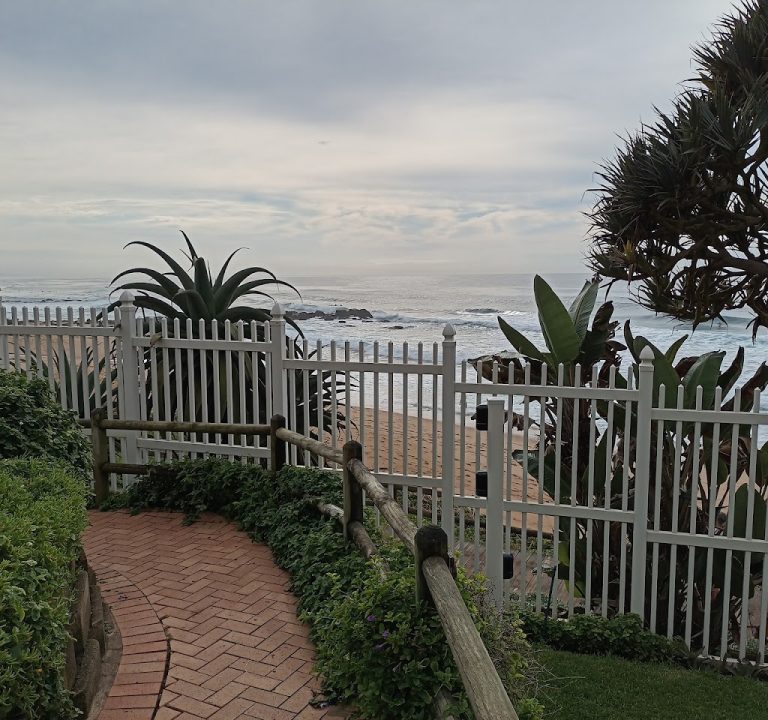
Typical amenities to expect include well-equipped kitchens, comfortable bedrooms with fans or air conditioning, clean bathrooms, and a reliable source of hot water. For families, properties with extra bedding options, child-friendly conveniences, and gated parking are reassuring. If you’re keen on outdoor living, seek accommodations with direct beach access, pool areas, or shaded verandas where you can enjoy morning coffees as the tide rolls in. Proximity to beaches is a major plus, but bear in mind that some stretches of coast may have strong currents or designated swimming zones—check local guidance and posted flags each day.
Transport plans will shape your days. A hire car is often the easiest way to move between Ballito, Salt Rock, and Umhlanga, and to reach inland attractions. Public transport is more limited along the coast, so a planned itinerary with timing for beach visits, markets, and restaurants helps you make the most of each day. If you’re arriving by air, King Shaka International Airport near Durban provides convenient access to the coast, with a roughly 20–40 minute drive to Ballito depending on traffic. Consider arranging airport transfers in advance if you’re travelling with a lot of luggage or a larger group.
The best time to visit the Dolphin Coast depends on what you want from your trip. Summer months (roughly November to February) are warm and ideal for beach days, swimming, and water sports, though occasional afternoon showers occur. Winter (June to August) brings cooler, drier conditions that are comfortable for long drives, hikes and inland exploration, with pelagic birdlife and the chance to spot dolphins early in the mornings. Late spring and early autumn can be a balance of pleasant temperatures and calmer seas, often with fewer crowds than peak season.
Practical planning tips to make your stay smoother:
- Book ahead for school holidays and long weekends, as beachfront properties often fill quickly.
- Check bed configurations and access to stairs or lifts if mobility is a consideration.
- Review the cancellation policy and whether the property offers a flexible plan during uncertain weather.
- Ask about housekeeping schedules, laundry facilities, and whether essential kitchen gear (such as a good-size fridge, oven, microwave) is included.
- Confirm proximity to beaches and whether private access is available, as some properties sit directly on the sand.
When it comes to experiences beyond the coastline, the Dolphin Coast offers a gentle gateway to nature and cultural insights. Beach walks and shoreline strolls are a given, with opportunities for dolphin and whale watching at certain times of the year. Nature reserves and coastal trails provide chances to observe local birdlife and coastal ecosystems. For those who enjoy food and social dining, the region features a range of casual cafés, seafood spots and family-friendly eateries where you can sample local fare and fresh catches, without focusing on high-end prices.
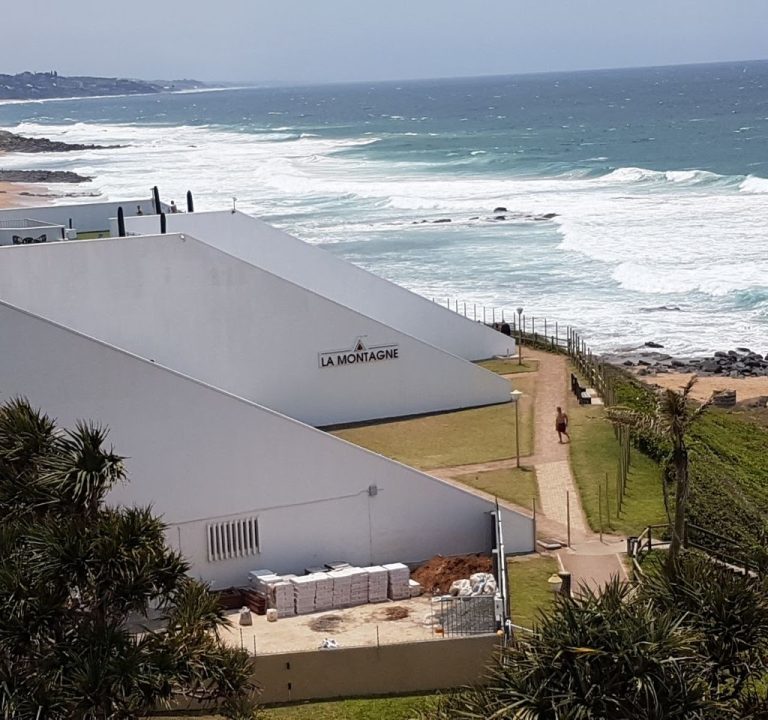
Accommodation examples in the area often blend comfort with a sense of place. You’ll find properties that emphasise privacy, and many self-catering options encourage guests to cook their own meals while enjoying sea views. A well-regarded example in the area is a self-catering retreat that combines convenient access to beaches with a cosy interior, a well-equipped kitchen, and private outdoor spaces—perfect for a relaxed seaside break. For those seeking a different rhythm, small guesthouses with attentive hosts can offer personalised recommendations on local routes, viewpoints and dining options. Always review recent guest feedback to gauge consistency in cleanliness, comfort and service.
For more information on planning a stay, you can explore the following resourceful links as starting points: general travel guides for KwaZulu-Natal’s coast, local tourism pages for Ballito, Salt Rock, and Umhlanga, as well as the official site for Les Mouettes, which offers self-catering accommodation on the Dolphin Coast. Visit http://www.lesmouettes.co.za/ for a sense of the kind of self-catering approach available in the area and the type of comfort that travellers value when choosing a coastal home away from home.