Accommodation and Things to Do in Lephalale, Limpopo
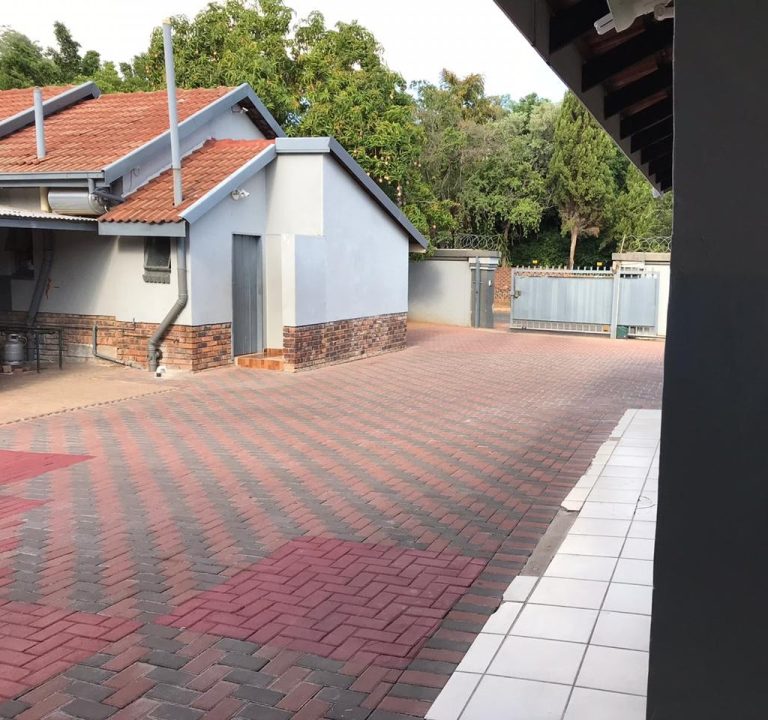
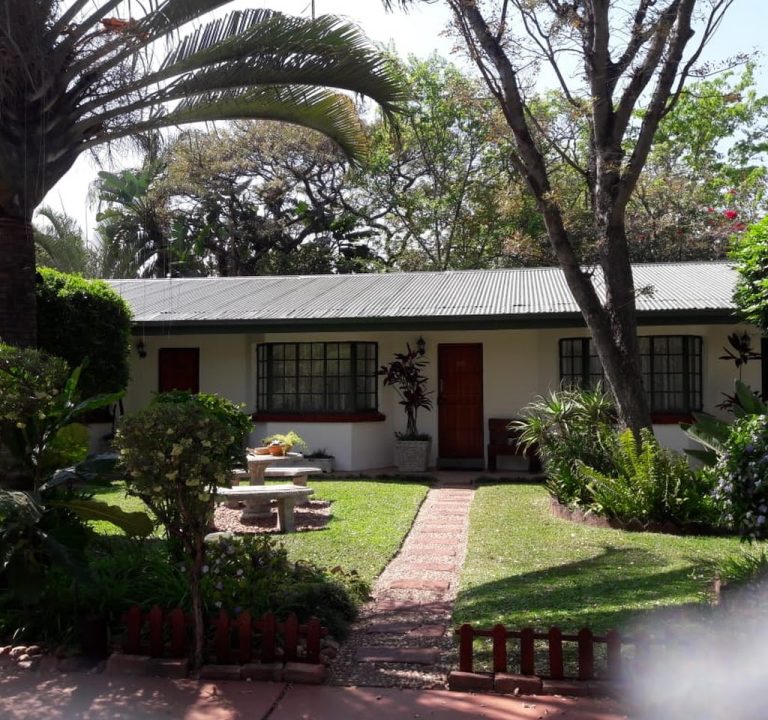
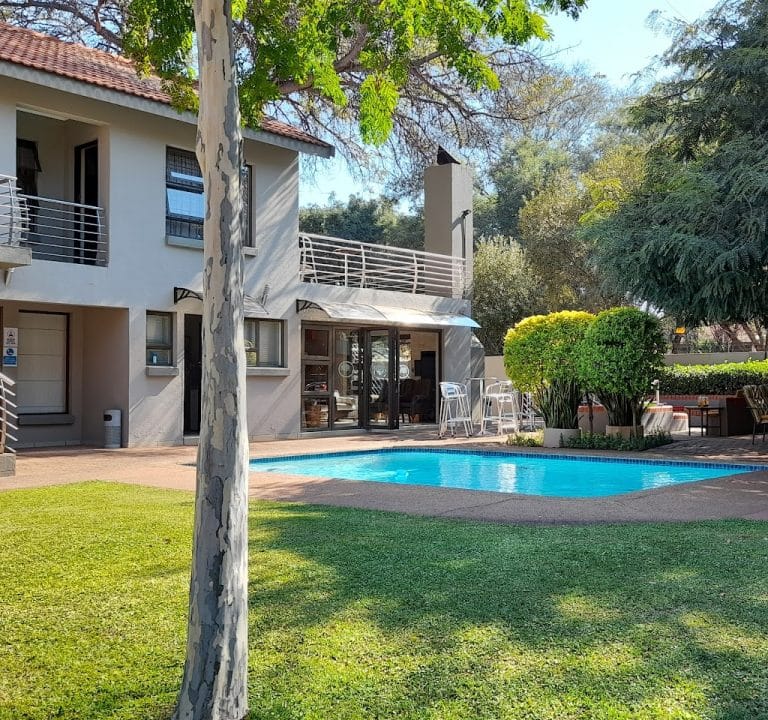
Lephalale in Limpopo offers a gateway to wide, open landscapes, wildlife-viewing opportunities and a relaxed pace ideal for a restorative stay. Whether you are seeking a classic bed-and-breakfast experience, a lodge-style retreat, or a comfortable guesthouse, the area provides a range of options that can suit short getaways or longer itineraries. For travellers seeking an intimate stay, a local bed-and-breakfast such as Lems Lodge can offer a friendly, home-from-home atmosphere with personalised service and a convenient base from which to explore the surrounding scenery.
When planning a stay, consider which area will best suit your plans. Lephalale town provides convenient access to shops, supermarkets and services, while surrounding villages and reserves offer quieter settings with more immediate access to nature. Look for accommodations that are close to the activities you intend to enjoy, but also check access roads and parking arrangements if you plan to hire a vehicle. A well-situated B&B or guesthouse may provide secure parking, on-site parking spaces, and easy routes to surrounding game reserves and viewpoints.
Key features to look for when booking include: comfortable beds with quality linens, air conditioning or fans (depending on the season), reliable wifi for staying connected, clean en-suite bathrooms, and good blackout options for restful nights. If you are travelling with family, ask about family rooms or interconnecting rooms. For longer stays, a kitchen or kitchenette can be a real convenience, along with laundry facilities. Some properties offer breakfast included or offer option to arrange additional meals; this can save time and add a local flavour to your mornings.
- Clear cancellation policies and flexible booking terms in case plans change.
- Public transport or local transfer options, including whether the property can arrange airport or station pickups.
- Proximity to attractions, parks or reserves, and any guided activities offered on-site or nearby.
- Pet policy, if you are travelling with a furry companion.
- Security measures, including safe parking and on-site staff availability.
Transport in and around Lephalale is typically best with a car, giving you the freedom to explore reserves and viewpoints at your own pace. Some lodges and guesthouses may offer guided excursions or partner with local operators for game drives, birdwatching safaris, or cultural experiences. If you prefer not to drive, check whether your accommodation can help arrange trusted drivers or guided day trips with reputable operators.
The best time to visit Lephalale depends on your interests. The dry season (generally May through September) tends to be more comfortable for outdoor activities, wildlife watching, and day trips, with clear skies and cooler evenings. The wet season can bring lush scenery and dramatic skies, but be prepared for humidity and occasional heavy rain. Shoulder seasons often provide a balance of pleasant weather, fewer crowds and more affordable rates. When planning outdoor activities, keep an eye on long-range weather forecasts and local advisories.
Accommodation types in Lephalale range from intimate B&Bs and guesthouses to small lodges and self-catering options. A family-run B&B can provide a cosy atmosphere, with breakfast served in a communal dining area and local recommendations for day trips. Lodges in the region often offer larger rooms, shared lounges, and access to nearby natural areas, with staff who can share tips on wildlife viewing at dawn or dusk. For travellers craving a more autonomous stay, self-catering units provide privacy and flexibility, while hotels in the wider area may offer on-site dining options and secure parking.
For experiences, consider the nature-focused draws that define the Limpopo belt around Lephalale. Visitors commonly enjoy scenic drives through expansive landscapes, sightings of wildlife in neighbouring reserves, and quiet spots by waterways that are popular for birdwatching and photography. Dining in the region tends to favour fresh, regional produce and hearty rural dishes. Local eateries and guesthouse restaurants often provide light meals and traditional favourites, with menus that showcase seasonal ingredients and local flavours. If you are seeking recommendations, your host or front desk can point you toward nearby cafés or casual dining options that fit your schedule and preferences.
Practical tips for a smooth stay: pack layers for changeable conditions, especially if you are visiting during transitional seasons. Bring sunscreen, a hat, and comfortable footwear for outdoor days. Check malaria risk guidance for the area and follow any preventive measures advised by your health professional. Always confirm check-in and check-out times with your accommodation and communicate any special requirements in advance. Respect local communities and natural areas by keeping noise to a minimum at night, disposing of waste responsibly, and following guidelines for wildlife viewing when you are out and about.
Useful resources for planning your trip include general tourism information and local council pages, which can help you get a sense of the area, transport options and seasonal events. For broader inspiration, you can explore South Africa’s official tourism information to learn more about regional highlights and practical travel tips. If you’re researching specific properties, you may wish to visit their official websites or trusted booking platforms for up-to-date availability and policies.