Accommodation and Things to Do in Plettenberg Bay, Western Cape
Plettenberg Bay, often shortened to “Plett” by locals, sits along the Garden Route with golden beaches, forested hills and a relaxed, sun-drenched atmosphere. It’s a destination where visitors can combine comfortable stays with outdoor adventures, slow coastal strolls and memorable meals. When planning a stay, consider the different neighbourhoods and the pace you want: from waterfront and town-centre options to hillside getaways with sweeping views and easy access to the nearby trails and wildlife reserves.
Accommodation in Plettenberg Bay ranges from cosy guesthouses and B&Bs to self-catering cottages and boutique lodges. A common feature across many properties is a focus on hospitality, comfortable beds, and practical touches such as parking, reliable wifi, and guest lounge spaces. For families or groups, look for larger suites or self-catering units with kitchens or kitchenettes. For couples seeking a quieter escape, smaller, intimate guesthouses or private suites tucked away behind the main road can offer a more tranquil ambience. Consider self-catering options if you prefer flexible dining and the option to prepare meals after a day out in the sun or the forest.
Key areas to consider when booking include the beachfront precincts, which provide direct access to the sands and sea, and the town centre or central Plettenberg Bay, which places shops, cafés and restaurants within easy reach. The larger hillside zones offer spectacular views over the bay and the surrounding bays and cliffs, often with a more secluded feel. If you’re visiting with a car, ensure your accommodation mentions parking or easy street access, as some areas have strict parking restrictions or steep driveways.
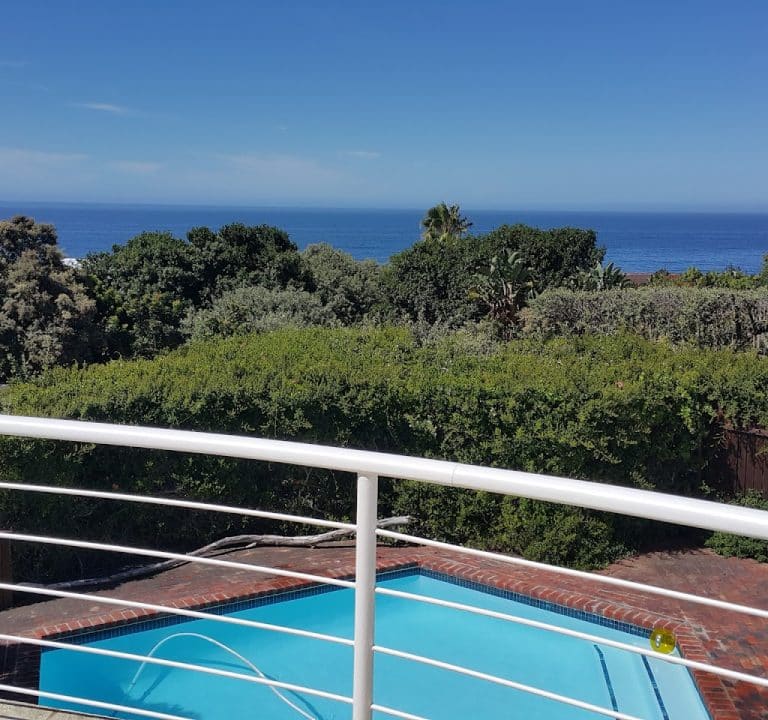
Typical amenities that elevate a stay include private or shared balconies and outdoor seating, barbecue or braai facilities, swimming pools (shared or private), and air conditioning or efficient heating for island breezes and cooler evenings. Many properties in Plettenberg Bay also highlight simple, well-equipped kitchens, thoughtful furnishing for comfort, and in-room safety features. Where available, a hearty breakfast, or the option to add a light continental spread, can be a pleasant start to mornings before beach or forest visits. If you value sustainable travel, look for properties that prioritise water-saving measures and recycling practices, which are increasingly common in the region.
Planning transport is straightforward but worth a moment of pre-trip thought. If you’re staying near the centre or the beachfront, you can often walk to cafés, beaches and some attractions, with car hire or local taxi services providing flexibility for longer day trips. If you’ll be exploring the wider Garden Route, hiring a vehicle is typically convenient, as many natural and wildlife sites are a short drive away. Note that some attractions and outdoor routes may require sturdy footwear and sun protection; packing a light rain jacket is sensible for occasional showers, particularly in the shoulder seasons.
The best time to visit Plettenberg Bay depends on your priorities. South Africa’s summer months (December to February) offer long, sunlit days ideal for swimming and water activities, but peak season prices can apply. Spring (September to November) and autumn (March to May) bring mild temperatures, less crowded beaches, and pleasant hiking weather, while winter (June to August) offers cooler sea breezes and a chance to see whales off the coast from certain vantage points. Regardless of when you go, it’s wise to book accommodation a few months ahead for peak periods or school holidays, and to stay flexible on travel dates if you can save on nightly rates.
When selecting a place to stay, consider the following practical tips: check cancellation policies and any minimum-stay requirements, read recent guest reviews for insights into cleanliness and service, and verify on-site amenities like parking, laundry facilities or kitchen access. If you’re planning to dine out frequently, choose a lodging with a convenient walk or easy drive to a range of restaurants offering seafood, grilled fare, and casual eateries with a South African twist. It’s nice to balance days by the sea with forest or reserve visits; Plettenberg Bay provides several short trails and viewpoints that suit families, joggers, or photographers looking for that perfect sun-drenched moment.
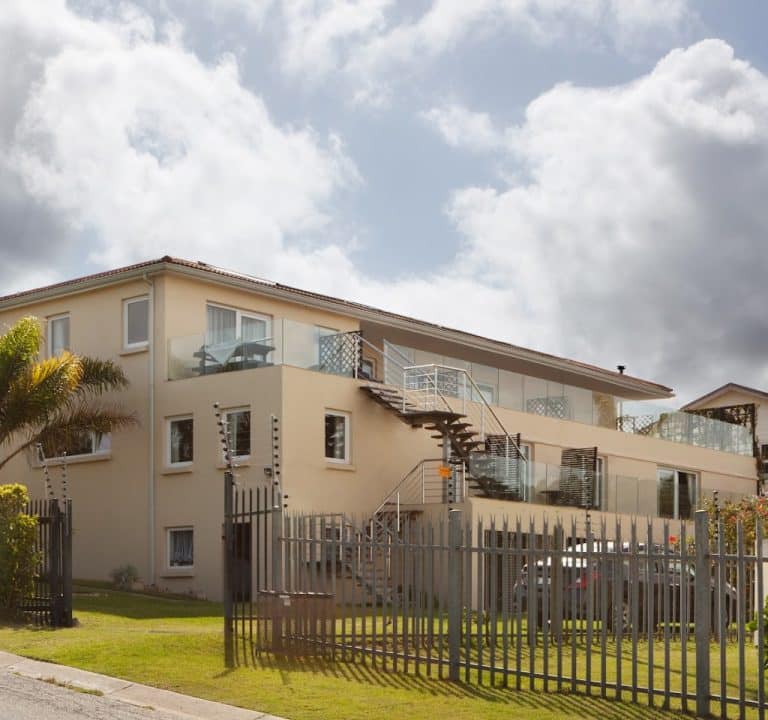
For a well-rounded stay, you could base yourself in a property such as an indoor lodging option with comfortable guest rooms, private spaces, and a central location that makes day trips practical. From there, you’ll have convenient access to the region’s famous beaches, the Robberg Nature Reserve for scenic coastal walks, and the surrounding farms and nature reserves that offer gentle to moderate hikes. Dining is varied—expect fresh seafood, bistro-style menus, and farm-to-table plates featuring locally sourced ingredients—paired with South Africa’s renowned wines in many establishments. To start planning, you can explore official tourism resources and regional guides for Plettenberg Bay to find updated recommendations on accommodations, activities, and restaurant options that match your style and budget. Visit https://www.plett.co.za or the wider Western Cape tourism pages for current insights and ideas.
Whether you’re seeking a relaxed beach holiday, a nature-focused escape, or a blend of both, Plettenberg Bay offers a hospitable base with abundant choices for a memorable stay.