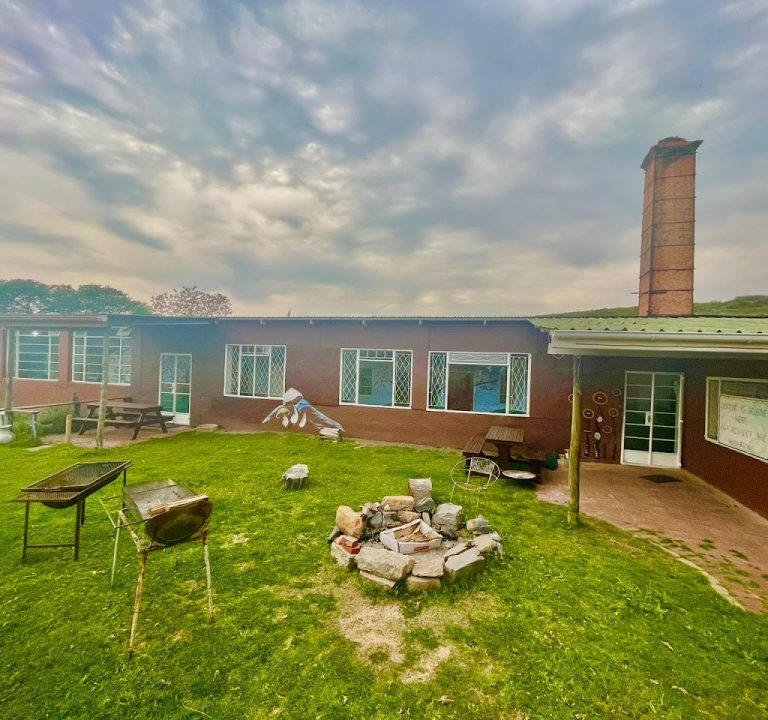
Discover Makhanda: where to stay, what to see, and practical tips for your visit
Makhanda, in the Eastern Cape, blends a rich cultural heritage with a relaxed, walkable town centre and surrounding scenery that invites exploration. When planning a stay, choose accommodation that matches your pace and interests, from cosy guest houses nestled in leafy residential streets to comfortable lodges with easy access to nature trails. The town’s compact size means you can base yourself in a central neighbourhood and stroll to cafes, markets, museums and viewpoints, or you can opt for a rural retreat a short drive away for a quieter break.
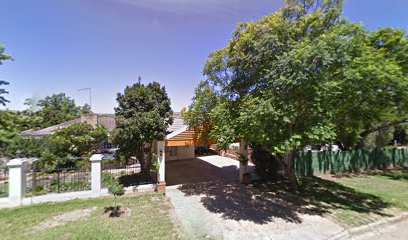
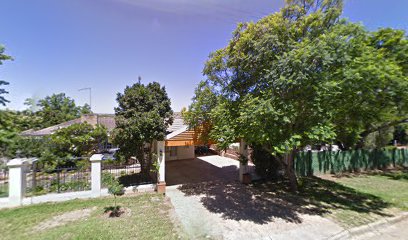
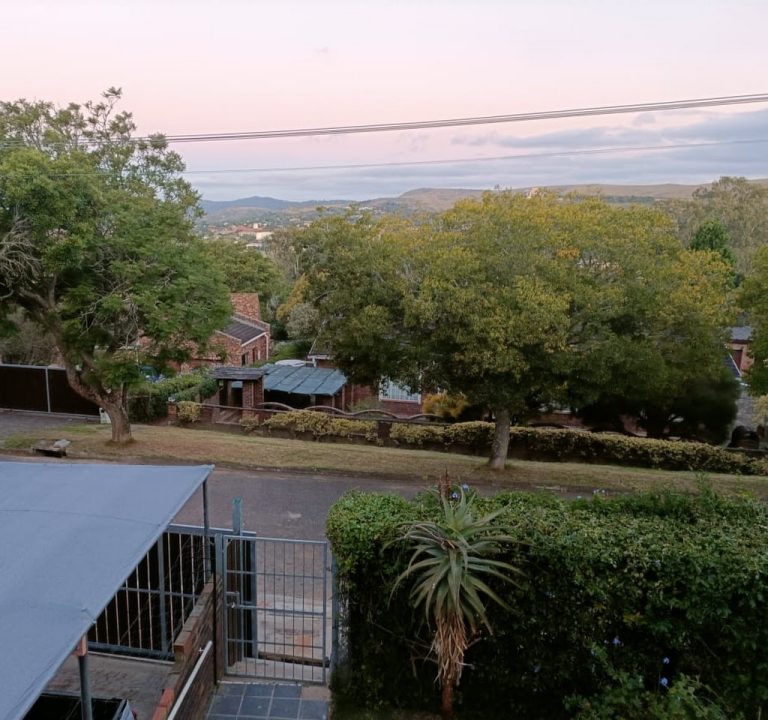
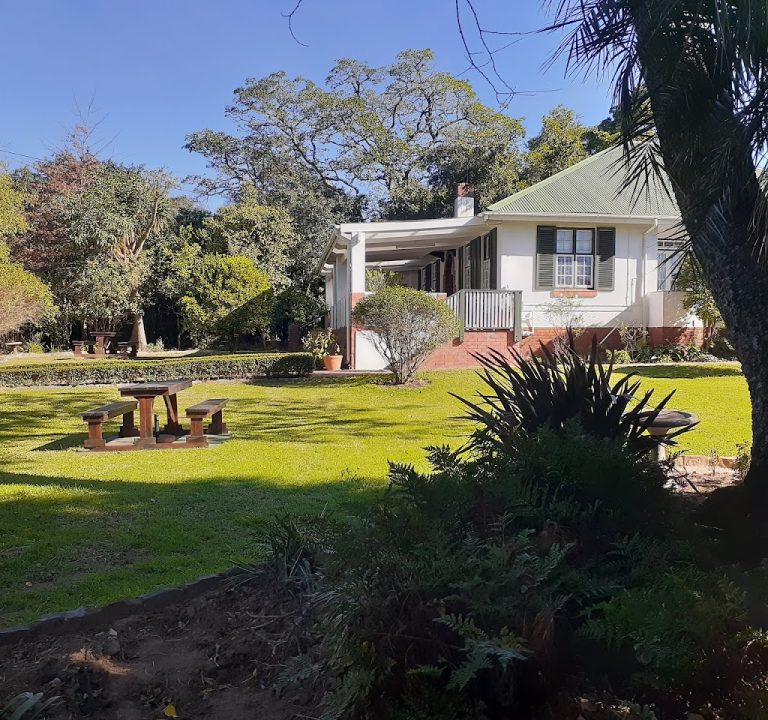
Areas to consider for your stay include the historic town centre, where guest houses and small hotels cluster near shops and cultural venues. If you prefer a more residential vibe, look for options in leafy hillside streets offering pleasant views and a calmer atmosphere. For nature lovers, consider lodges or guest houses on the edge of town near access points to green spaces or nature reserves. When booking, think about your priorities: proximity to the town’s heat of activity, or a serene setting with easy access to walking and birdwatching. Check how far you are from the main transport routes and whether there is on‑site parking if you are hiring a car.
Typical accommodation features in Makhanda range from guest house-room configurations with en-suite facilities to self‑catering flats and small boutique hotels. Expect reliable comfort: clean, well‑maintained rooms, daily housekeeping, secure parking, and friendly, knowledgeable staff who can point you to local experiences. Useful amenities to look for include free Wi‑Fi, a comfortable dining space or breakfast option, a versatile desk or work area if you are travelling for business or study, and a room that can accommodate a small bag of luggage without climbing stairs. If you are visiting in a cooler season, check for heating or warm blankets; in hot months, a fan or air conditioning can be a real comfort.
Transport around Makhanda is manageable by car, taxi, or organised tours. If you are driving, confirm parking arrangements in advance, as some guest houses offer off‑street parking or parking on a quiet street nearby. For walkers, many attractions are within a pleasant stroll from the town centre, but you may wish to arrange a taxi for late evenings or excursions to areas a short drive away. If you plan to explore further afield, consider renting a car for flexibility, especially for day trips to nearby valleys and viewpoints. Local discerning travellers often appreciate hosts who can suggest reliable routes, traffic patterns, and safe parking tips for popular excursion days.
The best time to visit Makhanda depends on what you want to do. The town has a lively cultural calendar, with festivals and performances that typically peak in certain months. Springs and autumns bring comfortable temperatures for wandering around the university area, the historic quarter, and nearby parks. If you wish to attend festivals or events, plan well in advance and be prepared for fluctuating crowds and updated schedules. For wildlife and nature lovers, early mornings are ideal for birdwatching and observing surrounding landscapes, while late afternoons offer pleasant light for photographs and a relaxed pace for meals at local eateries.
When it comes to planning activities, a balance of culture, history and outdoor experiences makes for a well‑rounded visit. You might allocate time for museums and historic sites that reflect the town’s past, strolls through central streets lined with eateries and small boutiques, and a day trip into surrounding countryside or nature reserves. Eating options range from informal cafes serving light breakfasts and lunches to restaurants that showcase regional flavours and seasonal produce. Rather than expecting detailed menus or pricing in advance, look for places with fresh ingredients, friendly staff, and a relaxed atmosphere that suits daytime wandering or an evening out after a day of sights.
Practical tips for a smooth stay in Makhanda:
- Book accommodation with clear descriptions of room layouts, parking, and accessibility to key sights. If you value quiet rooms, request a rear-facing or non‑street‑facing option where possible.
- Confirm breakfast arrangements and any meal times you should plan around, as some smaller properties offer light options rather than full-service dining.
- Ask hosts for personalised recommendations on walking routes, safe neighbourhoods for evenings, and less‑touristy eateries that still capture local flavour.
- Pack versatile clothing for variable weather; the evenings can feel cooler, even in warmer months, and some attractions may be exposed to wind on higher ground.
- Consider travel insurance that covers accommodation changes, and carry a basic map or offline directions for self-guided rounds of the town and surrounding lanes.
- Respect local customs and heritage sites; many venues value thoughtful behaviour, quiet conversations in indoor spaces, and careful handling of artefacts and information.
To plan ahead, you can explore general travel resources and guides online, which offer overviews of popular districts, typical day‑trip routes, and ideas for combining culture with nature. While specific venue names and current price points are best obtained directly from accommodation providers or up-to-date guides, you can usually rely on a friendly welcome and practical information from most guest houses and small hotels in Makhanda. For sustained inspiration, consider browsing reputable travel sites that feature reviews and region‑wide insights, and consult the official tourism pages for media, maps, and sample itineraries. For a broader sense of the town’s character, a visit to the central streets and university precinct often yields a pleasant mix of historic architecture, student energy, and casual dining—a fitting introduction to a stay in Makhanda.
For further reading and current suggestions, see travel guides and tourism pages that cover Makhanda and the Eastern Cape. You can discover practical planning tips, general area descriptions, and visitor information to help you build a comfortable, engaging itinerary that suits your pace and interests. A well‑chosen base, a thoughtful day plan, and a sense of curiosity are all you need to enjoy this distinctive South African town.