Hoedspruit: accommodation planning, stays and on‑the‑ground essentials in Limpopo
Hoedspruit sits on the northern edge of the Kruger Lowveld, offering a gateway feel between wildlife-rich bushveld and convenient town amenities. When planning a stay here, it helps to think in terms of where you’ll base yourself, the type of experience you want, and how you’ll get around. The area is well suited to families, couples and small groups seeking easy access to wildlife experiences while retaining comfort and a sense of place in South Africa’s leafy Limpopo province.
Areas to consider include central Hoedspruit for easy access to shops, restaurants and guided tours, and nearby wildlife estates or lodges that offer a more immersive, fully inclusive stay. Estates such as those on the edge of the Kruger National Park provide a sense of seclusion, often with on‑site activities and curatorial wildlife experiences. If a true bush retreat is your aim, you’ll find a range of options from self‑catering houses and family-friendly lodges to intimate guesthouses and boutique safari stays.
Typical accommodation options include:
- Self‑catering lodges and villas with kitchen facilities, outdoor spaces and sometimes private pools.
- Guesthouses and small boutique hotels offering daily housekeeping, breakfast or more comprehensive meal plans.
- Guided safari lodges and game‑viewing retreats that arrange early morning or late afternoon drives, often including return transfers from the property.
- Family‑friendly options with interconnecting rooms, child‑safe entertainment areas and flexible dining times.
When booking, look for a few practical highlights. First, location relative to the main wildlife experiences you want—whether you’re prioritising Kruger access, or prefers to explore the Panorama Route or the Hoedspruit Endangered Species Centre. Second, note the inclusion of guided activities. A significant number of properties offer expertly led safaris, birdwatching walks, or charitable conservation‑themed outings, which can greatly enhance a stay without needing to plan every detail independently. Third, check the transport arrangements. Many lodges provide airport transfers or shuttle services to gates and nearby attractions, while others assume guests will hire a vehicle. If you plan day trips, confirm gate opening hours, road conditions and any required permits or park fees.
Practical facilities worth prioritising include reliable air conditioning or ceiling fans for comfort in the hotter months, a private outdoor area or pool for downtime between activities, secure parking, and dependable Wi‑Fi if you need to stay connected. In terms of meals, see whether a property offers full board, semi‑board or self‑catering options and whether guests can arrange private dining experiences or bush meals under the stars. Some estates also provide on‑site shops or curated picnic hampers for excursions.
The best time to visit Hoedspruit and the surrounding Lowveld depends on your priorities. The dry season, typically from May to October, offers excellent wildlife viewing as animals concentrate around water sources and vegetation thins out. It’s often the peak period for photographers and trackers. The rainy season, from November to April, brings lush scenery and bursts of migratory birds, but weather and insect activity rise, and some roads may become more challenging after heavy rains. If you’re seeking a balance, late spring or early autumn can provide pleasant temperatures with good wildlife opportunities.
Transport around Hoedspruit and into the Kruger vicinity is straightforward for self‑drivers, with well‑maintained rural roads and signage. If you prefer not to drive, many accommodation providers arrange guided safaris, bush walks and transfers to airports or gates. For those arriving by air, Hoedspruit’s regional airport offers connections to major hubs, with onward options via vehicle hire or organised transfers to your lodge or guesthouse. If you plan to combine a couple of different bases (for example a bush lodge and a town‑centre stay), confirm the transfer times and whether luggage limits apply on any short hops.
Hoedspruit owns a range of experiences beyond wildlife watching. Expect pristine nature reserves, scenic viewpoints along the escarpment, and cultural interactions that celebrate Limpopo’s heritage. Foodies will typically find a mix of casual bistros, modern cafés and countryside eateries emphasising local produce and flavours. When choosing where to dine, consider proximity to your accommodation, as well as whether venues offer outdoor or family‑friendly seating and open kitchen concepts that let you soak up the atmosphere while you wait for a meal.
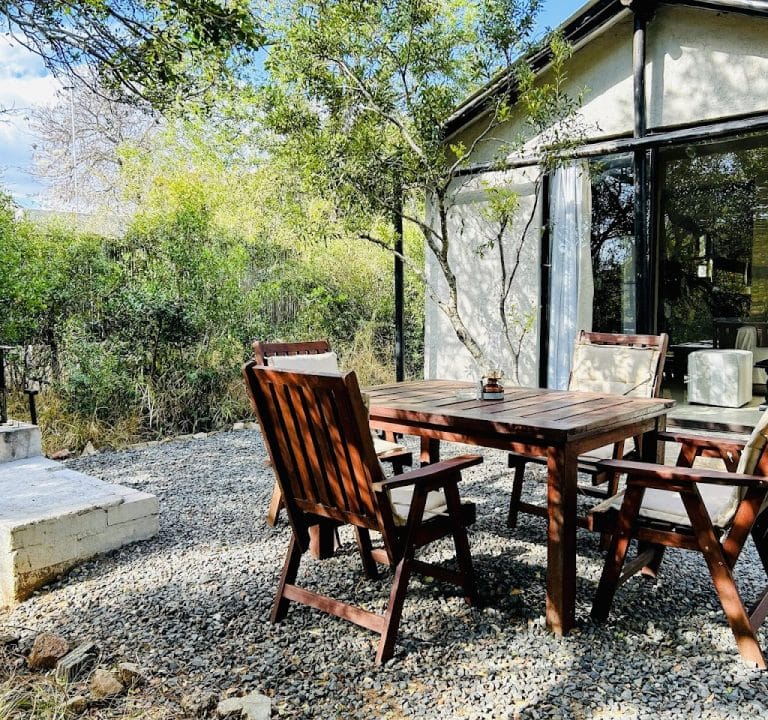
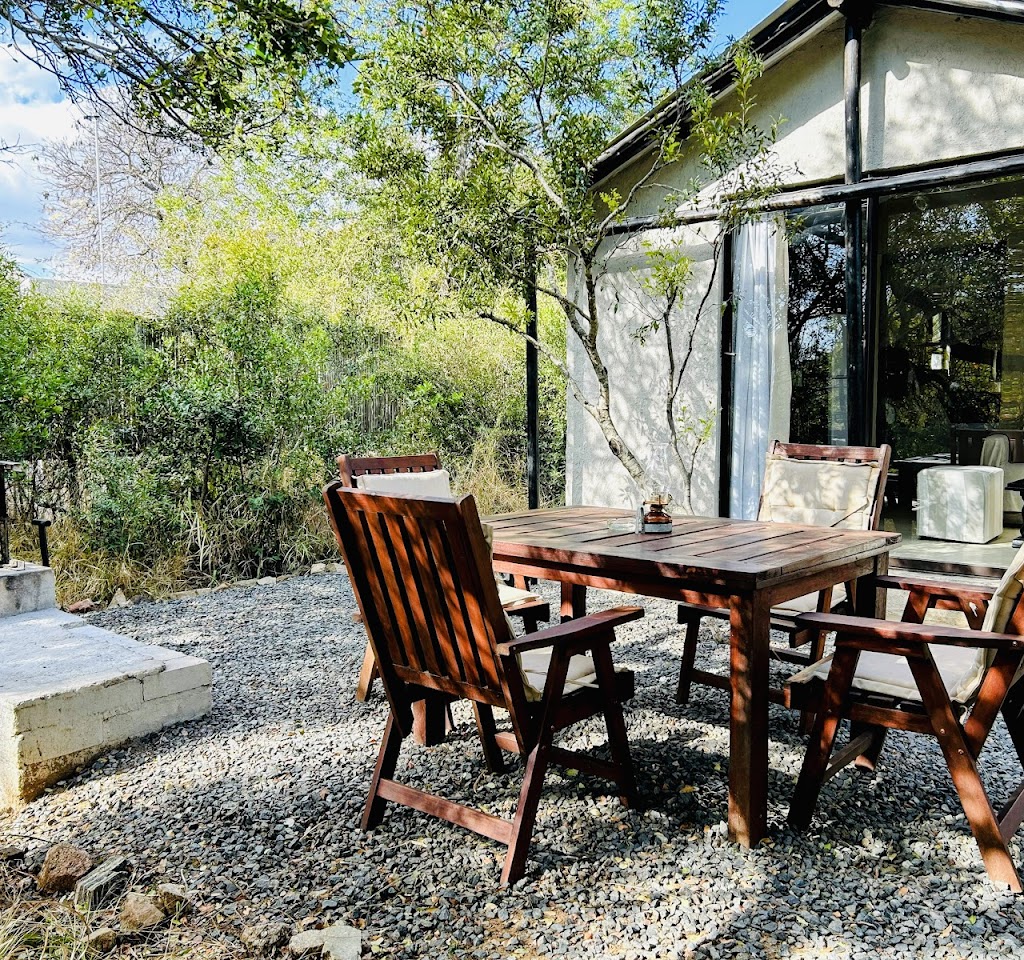
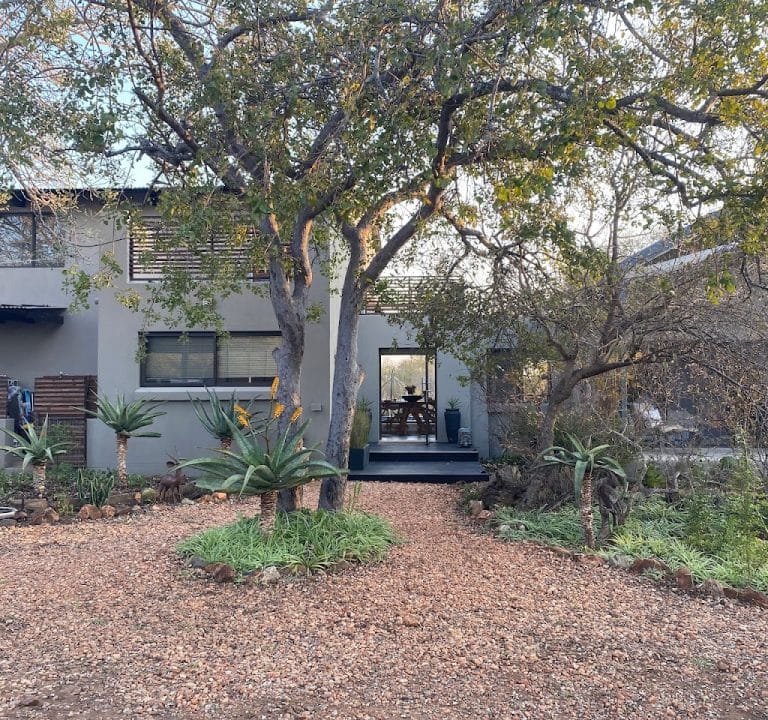
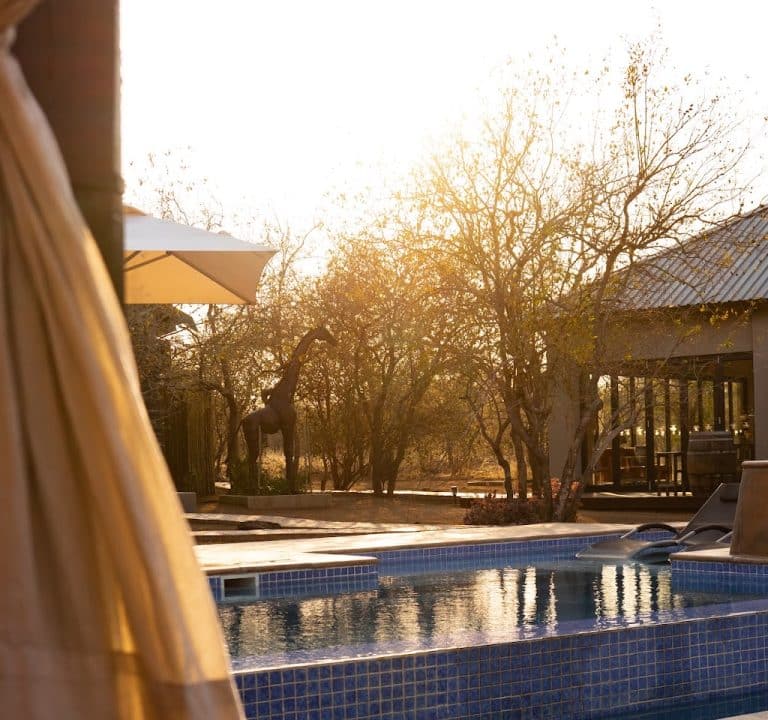
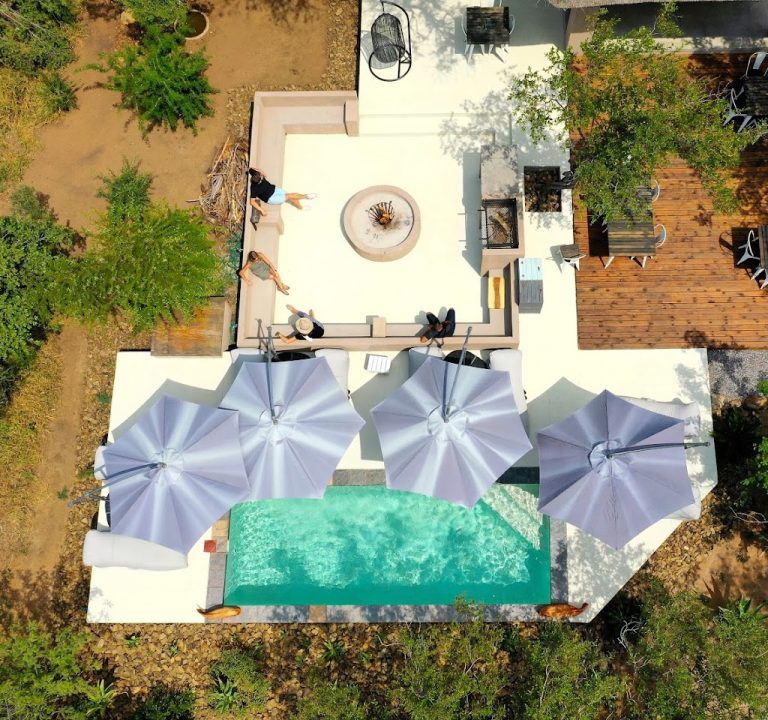
For a practical example of accommodation in the region, Leadwood Tree Safri Lodge sits within a renowned wildlife estate near Hoedspruit. It presents a model of the kind of stay many visitors seek: intimate, nature‑driven lodging with opportunities for close‑up wildlife experiences and easy access to main routes and attractions. You can explore the property’s details and arrangements via its official website: Leadwood Tree Safri Lodge.
To sum up planning a visit to Hoedspruit, focus on location, the type of wildlife or experiences you want, and the availability of guided activities. Plan around the seasons, be mindful of transport needs, and choose accommodation that aligns with your preferred mix of comfort and bush immersion. With a thoughtful approach, a stay in Hoedspruit can blend wildlife discovery with restful downtime and a taste of Limpopo hospitality.
Suggested tips for a smoother trip:
- Book a lodge or guesthouse with an early start option for safaris and a reliable transfer service.
- Check gate times and road conditions for any day trips outside Hoedspruit.
- Pack practical clothing for early mornings and cooler evenings, plus sun protection for daytime excursions.
- Consider a flexible itinerary to accommodate wildlife sightings and weather variations.