Kuruman: a Traveller’s Guide to Accommodation, Attractions and Getting Around
Kuruman sits in the Northern Cape as a gateway to the Karoo and a place where travellers can balance comfortable lodgings with outdoor and cultural experiences. Whether you are seeking a cosy guesthouse, a stylish lodge, or a simple self‑catering option, the town offers a range of stays suited to different budgets and itineraries. Planning a visit involves a few practical considerations, from where to base yourself to how to move between sights, meals and activities.
When choosing where to stay, consider the area in relation to your daily plans. The town centre tends to be convenient for dining, shops and local sights, while outlying lodges and guesthouses often provide more space, greenery and a quieter atmosphere. If you are driving, look for accommodation with easy access to main routes and with on‑site parking. For those flying in, be mindful of distances from the airport and the time needed to reach Kuruman proper. If you prefer a more intimate, personalised stay, a family‑run guesthouse or boutique lodge can offer local insights and recommendations that you won’t find in large hotels.
Key amenities to look for include reliable Wi‑Fi (especially if you are combining work with travel), secure overnight parking or a gated entrance, and clear information about check‑in and check‑out times. Bath or shower facilities should be suitable for your travel party, and healing or temperature control in rooms can be a real bonus in warmer months. A light breakfast included in the rate is common in many smaller places, with the option to request packed lunches or dinner in some lodges. If you prefer self‑catering, search for cottages or apartments with kitchen facilities and a pleasant outdoor seating area. Don’t hesitate to ask hosts about laundry options, as longer stays may require access to washing facilities or a nearby launderette.
Transport around Kuruman is most straightforward with a car, giving you the flexibility to explore the surroundings and return to your base at your own pace. Local taxi services can be helpful for short trips or evenings out, but schedules may vary. If you plan to venture beyond the town, check whether your accommodation can assist with organised excursions or recommendations for guided day trips. For visitors relying on public transport, clarify the frequency and routes at the time of booking, and be prepared for limited options on Sundays or public holidays.
The best time to visit Kuruman depends on what you want from your stay. The region enjoys clear skies and sunshine for much of the year, making it suitable for outdoor exploration and photography. Summers can be hot, so pack lightweight clothing, sun protection and adequate hydration. Winters are milder but may feel cooler in the evenings, so bring a cosy layer. If you are planning longer walks or outdoor activities, consider the weather forecast and plan indoor alternatives for extreme heat or unexpected rain. Travellers should also note the region’s arid climate and stay mindful of heat‑related precautions, especially during peak daytime hours.
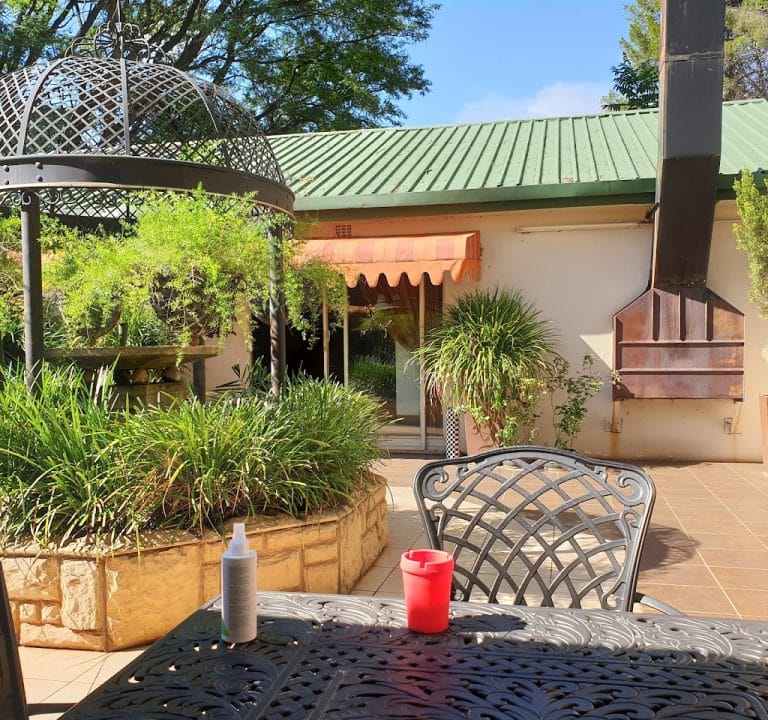
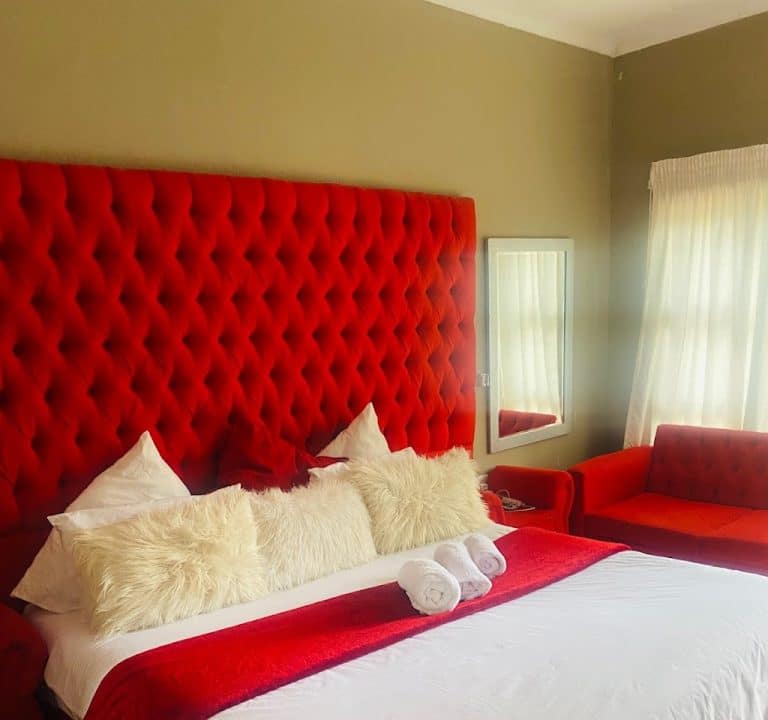
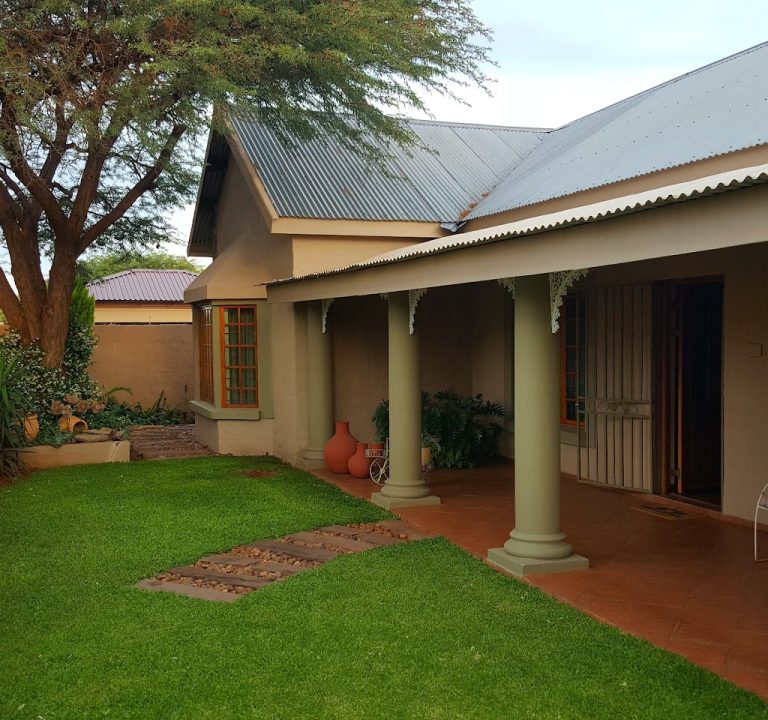
For accommodation with character, Leach Lodge offers a memorable option in the lodging category. It’s worth reviewing the property’s description and guest reviews to understand what makes the stay distinctive, and you can book directly through the property’s page on NightsBridge for convenience and up‑to‑date availability. Always confirm what is included in your rate, such as breakfast, daily housekeeping, and access to shared facilities, to avoid last‑minute surprises.
Nearby attractions and experiences can enrich your visit without requiring long trips. A visit to the natural springs and geological features the area is known for can provide a sense of place and a refreshing break from city pace. Local parks and reserves often offer easy walking trails, birdwatching opportunities, and chances to observe local flora and fauna. For those interested in culture and history, you may find small museums or interpretive displays that give context to the town’s development and the people who have lived in the region for generations. In addition, the surrounding countryside lends itself to scenic drives and picnics, with plenty of open space to enjoy the desert tranquillity and star‑filled skies at night.
When it comes to dining, general choices typically include casual eateries, bistros and cafes where you can sample comfort dishes, hearty breakfasts and light lunches. Menus often reflect regional ingredients and home‑style cooking, with options to suit different dietary preferences. If you are exploring on a self‑catering basis, pair local produce with simple meals in your accommodation’s kitchen or outdoor entertaining area. For dinner out, asking for recommendations from staff or hosts can lead you to welcoming spots that prioritise fresh ingredients and friendly service.
Planning tips for a smooth stay:
- Book in advance during peak tourist periods to secure your preferred area and preferred room type.
- Clarify check‑in times, parking arrangements and any special access needs before arrival.
- Ask hosts for practical local tips, including safe walking routes, best times to visit certain sights and where to find nearby grocery stores.
- Confirm what is included in the rate (breakfast, cleaning, towels, toiletries) so you can plan for extras accordingly.
- Consider a mix of lodging types if you are staying longer—one or two nights in a central base plus a quieter countryside lodge for relaxation.
Whether you are seeking a restful base for a short break or a longer exploration of the Northern Cape’s landscapes, Kuruman offers approachable accommodation, scenic surroundings and enough activities to keep days varied yet relaxed. A well‑chosen stay, informed planning and a flexible itinerary can help you make the most of your visit to this distinctive South African town.