Accommodation and Experiences in Tulbagh: Planning a Relaxed, Self‑Cufficient Stay in the Western Cape
Tulbagh, nestled in the Cape Winelands, offers a quiet retreat with a mix of traditional architectural charm and modern comforts. When planning a stay, it’s helpful to think about the pace you want and the type of experience you prefer. The town provides a range of options from self‑catering cottages and family‑run guesthouses to more contemporary stays, all set against a backdrop of olive groves, vineyards and the surrounding mountain scenery. Whether you seek a cosy weekend break or a longer countryside escape, Tulbagh is well suited to leisurely exploration and easy day trips into the valley and beyond.
Accommodation in Tulbagh tends to fall into a few clear categories. Self‑catering houses and cottages are popular with families and groups who want flexibility and space. These properties often come with private kitchens, living areas and outdoor spaces, allowing guests to dine in after a day of exploring the surrounding farmland and historic streets. Country inns and B&Bs offer a friendly, homely atmosphere with breakfast included or available nearby, while boutique guesthouses and lodges provide a blend of personal service and stylish interiors. In planning where to stay, consider proximity to the town’s central streets, where cafés, small galleries and the historic church anchor the area, or opt for a location just outside the town for easier access to rural walks and vineyards.
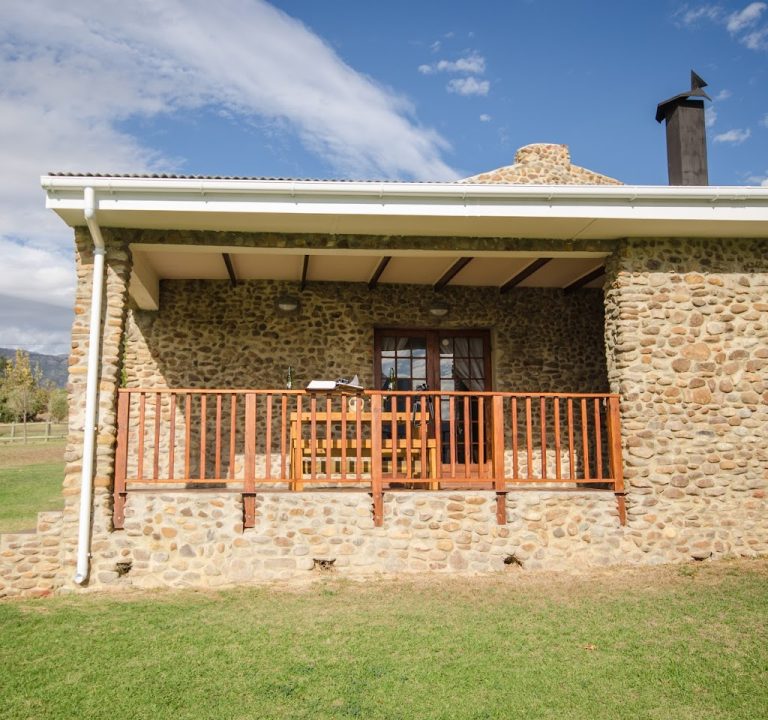
When you are choosing a place to stay, think about the essentials that will make your visit comfortable. Strong Wi‑Fi can be important if you need to catch up on work or navigate via online maps, while heating or cooling systems help to adapt to the mountain climate. A well equipped kitchen or kitchenette is worth seeking in self‑catering properties, along with laundry facilities for longer trips. Private parking takes the stress out of driving to and from winery visits, and outdoor spaces—whether a veranda, terrace or garden—are valuable for evening aperitifs or sunset views over the valley. If you’re travelling with family, check for flexible bedroom configurations, child‑friendly features, and safety considerations around stairs and pools.
Transport to and around Tulbagh is straightforward by road. The town is a convenient base for exploring the surrounding wine routes and game reserves, but it is not typically served by rail or large public transport hubs. Many visitors choose to hire a car to maximise flexibility and to reach outlying estates and viewpoints at their own pace. Within the town, a short stroll is often enough to reach cafés, markets and the historic main street. For those preferring not to drive, look for accommodation that offers on‑site or nearby organised activities and guided experiences, such as local tours of historic sites or wine tastings arranged through the property or nearby venues.
Best time to visit Tulbagh depends on the experiences you seek. Spring and autumn bring mild weather and vibrant landscapes, ideal for walking and vineyard visits. Summer can be warm, with longer days perfect for outdoor dining and scenic drives, while winter offers cooler evenings and a peaceful atmosphere that suits cosy stays by a fireplace. The surrounding countryside is often at its prettiest after rain, when the foothills and orchards glow with colour and fragrance. Regardless of season, it is wise to book in advance for weekends and public holidays, as Tulbagh’s tranquil appeal attracts both local travellers and international visitors seeking a slower pace.
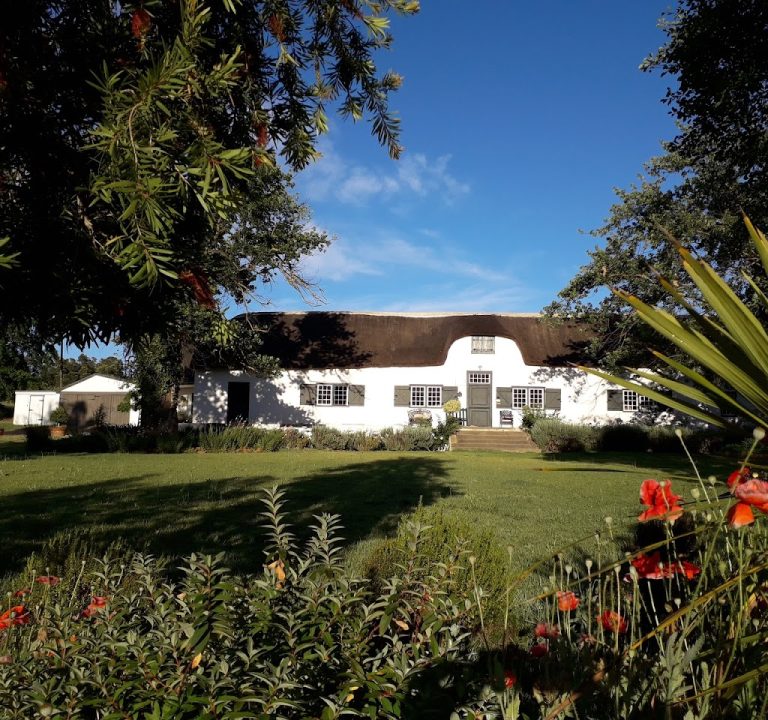
While in town, you will find a range of attractions and activities that suit varied interests without needing to travel far. The historic core is framed by well‑preserved Cape Dutch and Victorian architecture, and many visitors enjoy gentle strolls to take in the façades, the town’s windmill, and the central squares. Museums and heritage centres offer context about the region’s settlement, farming history and the architectural heritage that gives Tulbagh its distinctive character. In the valley beyond, wine estates offer tastings and scenic drives, while olive groves, fruit orchards and farms invite drivers to pause for photos and—where offered—local tastings. For those who enjoy the outdoors, gentle hiking routes with views over the plains and mountains provide a satisfying day out, often ending with a relaxed meal at a village restaurant or at a winery bistro.
When it comes to dining, Tulbagh’s restaurants and cafés typically focus on seasonal, locally sourced produce and relaxed, family‑friendly service. Expect menus that celebrate fresh vegetables, herbs and locally produced cheeses, with meals that pair well with regional wines or craft beverages. Many establishments offer lighter lunches and warm, comforting evening dishes that reflect farm‑to‑table sensibilities. If you’re staying in a self‑catering property, you’ll also find well stocked markets and bakeries nearby where you can gather ingredients for home meals or picnic suppers during long country days.
Case in point, a self‑catering option such as L’Bloom Family House Selfcatering could provide a practical base for groups or families seeking space and flexibility. While specific details and facilities may vary by property, the concept remains the same: a comfortable, well‑equipped home away from home that complements Tulbagh’s peaceful slow‑travel vibe. For planning, make a short list of priorities—private parking, a good kitchen, proximity to the historic town centre, and access to outdoor space—and then compare properties against those criteria. You may also want to note each property’s guest reviews and any local experience offerings, to pair your stay with a convenient itinerary of activities.
- Plan a mix of relaxed days in town with short trips to vineyards and farms.
- Choose accommodation with practical amenities to maximise comfort and convenience.
- Consider staying near the town centre for easy access to dining and heritage spots, or opt for a rural setting if you prefer quiet and expansive views.