Riebeek-Kasteel: Accommodation and Slow Travel in the Western Cape
Riebeek-Kasteel is a charming, compact village perched on the edge of the Swartland, where red-tiled roofs, olive groves and peppering of art studios give the town a cosy, easygoing atmosphere. The area is well suited to travellers who want a relaxed stay with easy access to orchards, vineyards and the rolling landscapes of the Western Cape. When planning a visit, consider basing yourself in the centre of the village to be within easy reach of the historic core, morning markets and nature trails, or choose a countryside property a short drive from town for a more secluded experience.
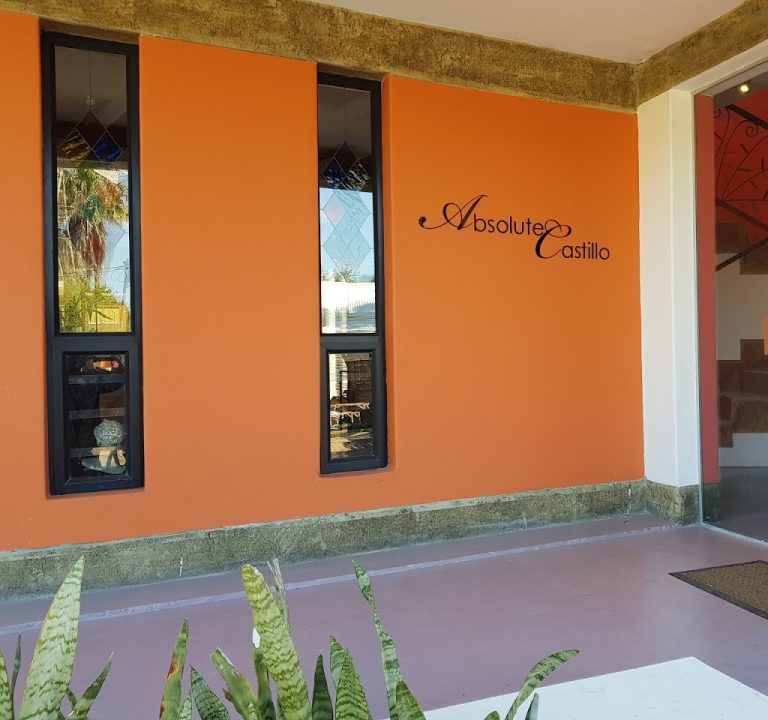
Accommodation in Riebeek-Kasteel spans boutique guesthouses, self‑catering cottages, B&Bs and small inns. One notable option for guests seeking a comfortable, home‑from‑home stay is a property described as an indoor lodging, offering well‑appointed rooms, private entrances and tranquil surroundings. Such places typically combine traditional charm with modern comforts, and many provide friendly, hands‑on hosts who can share practical tips for exploring the surrounding valley.
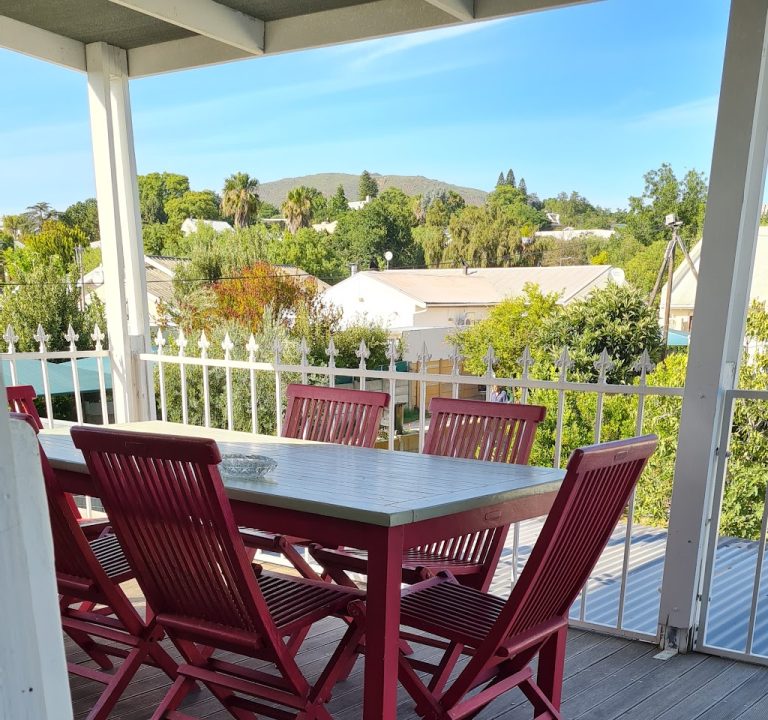
When you choose where to stay, think about the rhythm of your trip. A village-centre location is ideal for strolls along cobbled lanes, breakfast at a local café, and spontaneous visits to galleries and studios. A countryside lodging, by contrast, can offer sweeping views, outdoor seating, and longer evenings spent unwinding after a day’s adventures. In either case, look for a few core features that make a stay comfortable and convenient.
Essential amenities to prioritise include reliable Wi‑Fi for planning day trips or catching up on travel while away from home, secure parking if you are driving, and flexible check‑in arrangements. A comfortable bed, good heating or cooling, and a well‑equipped kitchenette or access to self‑catering facilities can make a big difference, especially if you are travelling with friends or family. If you are visiting in peak season, a guesthouse or lodge with a relatively small footprint can still feel intimate, but you’ll benefit from early booking to secure your preferred dates.
Transport in the region is straightforward but requires a little foresight. The village is walkable for short distances, but a car is convenient for broader exploration, including day trips to neighbouring towns and vineyards. If you plan to travel by public transport, check the latest local options and inquire about access from larger hubs such as Cape Town. Renting a car for the duration of your stay commonly provides the most flexibility for exploring the valley’s olive groves, orchards, and scenic routes at your own pace.
Best time to visit for comfort and scenery typically spans from spring to autumn in the Southern Hemisphere. Spring and autumn offer pleasant temperatures for outdoor strolls, vineyard visits and farmer’s markets, while summer is sunny and lively, with longer days. Winter can be cooler and more restful, with the advantage of quieter streets and intimate dining indoors. No matter the season, packing a light layer for cooler evenings and sun protection for outdoor days will help you enjoy the region’s climate to the fullest.
When planning activities, consider a mix of slow‑paced experiences and scenic highlights. You can expect to encounter seasonal markets, local studios and small eateries that showcase the region’s food culture—often featuring fresh, locally grown produce and regional wines. For a balanced itinerary, pair village strolls with a day spent visiting nearby vineyards or olive groves, and allow time for a relaxed lunch or coffee stop in a scenic setting. For nature lovers, short trails, ridge viewpoints and gentle hikes provide a satisfying backdrop to your stay without demanding strenuous effort.
Practical tips to help you plan smoothly:
- Consult a few accommodation options with flexible cancellation policies, especially if your plans may change.
- Ask about included amenities such as breakfast, private entrances, or kitchen facilities, and whether there is on‑site parking.
- Check the proximity to dining options and basic services, so you’re not relying solely on long drives for meals.
- Verify accessibility if you require easy access to stairs or steps, and confirm whether guesthouses offer ground‑floor rooms.
- Look for hosts or proprietors who are happy to share local tips, including vineyard visits, walking routes and seasonal events.
For the curious traveller, Lavender Lodge (an example of indoor lodging in the area) offers a good reference point for what a comfortable, well‑appointed stay can look like in Riebeek‑Kasteel. While the town is small, its hospitality tends to be warm and personal, with hosts readily offering guidance on local experiences and practicalities. If you want to explore further, local tourism resources and official regional pages can provide curated information about attractions, dining and seasonal activities. A reliable starting point for planning is the Western Cape’s travel pages, which cover wine country routes, farm stalls and scenic routes in and around the Swartland.
In short, Riebeek‑Kasteel is ideal for travellers who value a gentle pace, gracious accommodation and access to a landscape that rewards slow travel. By prioritising a central, well‑equipped property and carving out time for markets, studios and vineyard visits, you can craft a memorable Western Cape escape that blends comfort with authentic local flavour. For more ideas and practical planning, you can explore regional resources and sample itineraries that highlight the best of the area’s lodging, landscapes and eateries.