Johannesburg, Gauteng: Where to stay and what to explore
Johannesburg is a sprawling, energetic city that appeals to travellers who value culture, history and easy access to both urban conveniences and outdoor landscapes. When planning a stay, consider the diverse neighbourhoods that shape the experience: from the leafy suburbs with boutique guesthouses to the bustling inner city areas where modern hotels sit alongside restored industrial spaces. Each area offers a distinct pace, amenities and transport options, so choosing the right base is key to a comfortable and efficient visit.
Popular areas for visitors include Sandton, Rosebank and Melville, each with its own flavour. Sandton is known for shopping and business conveniences, efficient transport connections and a choice of higher-end lodgings. Rosebank offers a cosmopolitan mix of cafés, markets and galleries with good access to the city’s northern suburbs. Melville has a more relaxed, bohemian vibe with walkable streets, small guesthouses and a lively dining scene. In the central city, Braamfontein and Jo’burg’s oldest precincts provide easy access to cultural attractions and nightlife, while Soweto offers profound historical insights and guided experiences that reveal the resilience and creativity of its communities.
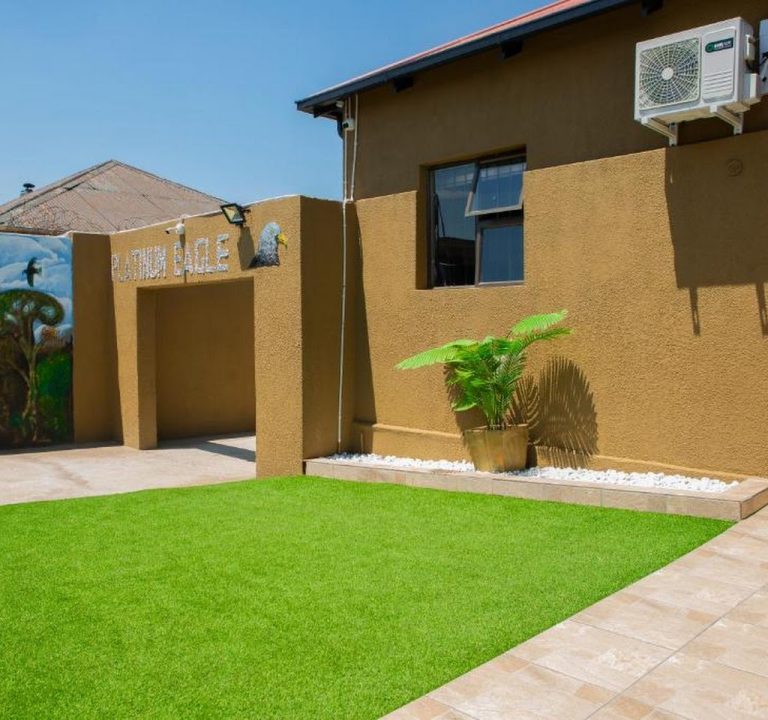
When you book, look for accommodation that aligns with your plans. If you want longer stays or frequent day trips, a self-catering option or a well-equipped apartment with a kitchen can save time and money. For short visits or business trips, a well-located hotel or guesthouse with reliable Wi-Fi, a comfortable workspace and a good breakfast can make a big difference. Consider whether you need on-site parking, 24-hour reception or airport transfer services, as these features can simplify logistics, especially after late arrivals or early departures.
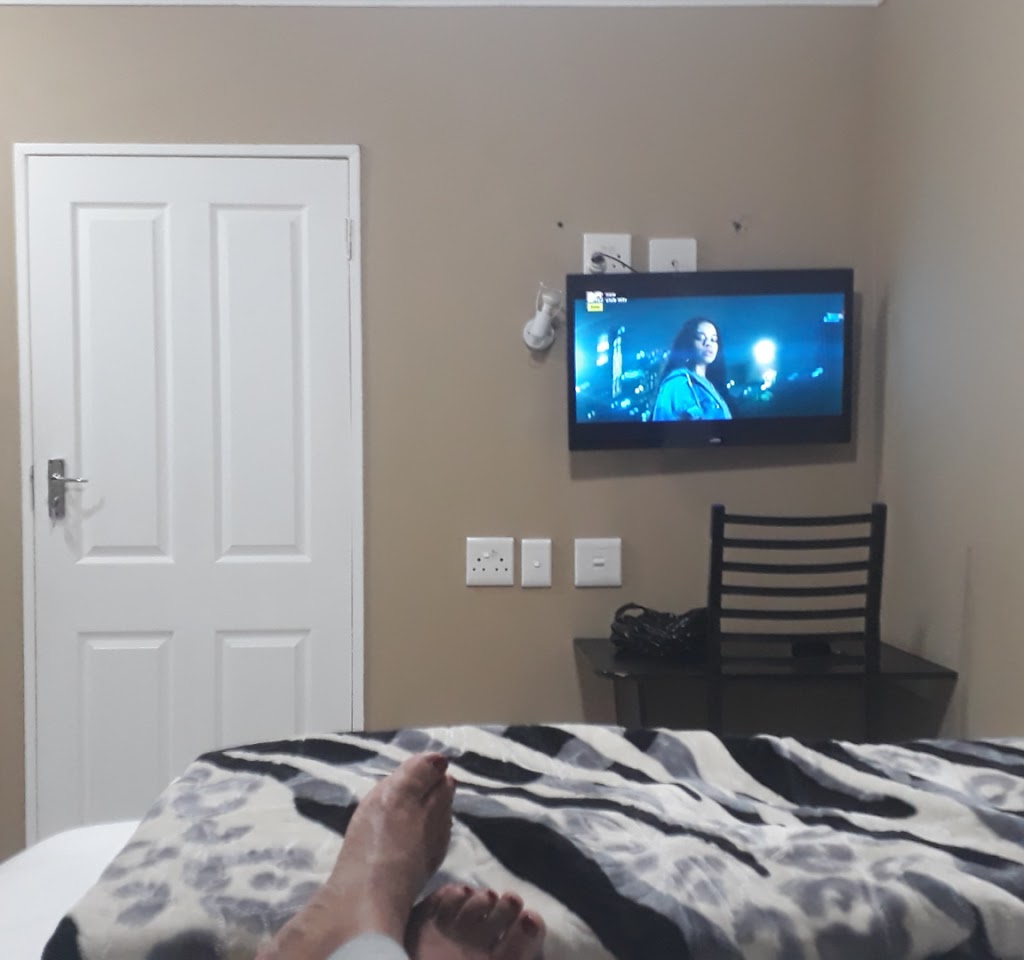
Typical amenities you might expect include comfortable beds with quality linens, daily housekeeping options, secure access, and elementally well-lit workspaces. Some properties offer on-site dining, coffee stations, and flexible lounge areas. For families, look for rooms with space to spread out, mini-fridges for snacks, and child-friendly facilities. Sustainability-minded travellers may prefer places that emphasise energy efficiency and local sourcing. Always check reviews for practical details such as noise levels, security measures, and the reliability of air conditioning in warmer months.
Transport across Johannesburg is efficient when planned in advance. The city is served by a network of taxis, rideshare services, and car hire, with several areas well-connected to major highways. If you intend to explore beyond your base, consider staying near a Gautrans or city-centre hub with easy access to public transport links. For day trips, a mix of organised tours and independent explorations by metro or rideshare is common. If you’re arriving for business, ensure your lodging is within reasonable reach of your meeting venues and has straightforward directions to the main transport arteries.
The best time to visit Johannesburg is influenced by weather and events. The city enjoys warm summers and mild winters, though rainfall can be seasonal. Summer brings longer days, which is ideal for outdoor markets, parks and guided city walks. Winters are cooler but often clear, making them comfortable for sightseeing without the heat. Spring and autumn offer pleasant temperatures and lower humidity. If you’re seeking a blend of cultural events and outdoor activities, plan your stay around local markets, music nights, or museum openings, and leave some flexibility for unexpected pop-up experiences.
Major attractions in and around the city span history, art, nature and cuisine. You can expect to encounter heritage sites that tell the story of South Africa’s past, contemporary art districts that showcase local talent, and parks and viewpoints where urban landscapes meet open space. For food lovers, Johannesburg’s dining scene ranges from casual neighbourhood eateries to contemporary restaurants that highlight regional ingredients and international flavours. As a visitor, you’ll encounter venues that celebrate authenticity, with menus and settings to suit a variety of budgets and preferences. Always check opening times and booking requirements ahead of time, especially for guided tours or popular dining spots.
Practical tips to help you plan a smoother stay:
- اقرأ property descriptions carefully for room size, bed configuration and included amenities.
- Check for secure overnight parking if you plan to hire a car.
- Read recent guest reviews about noise, heating/cooling, and accessibility.
- Confirm the availability of essential services such as breakfast, Wi‑Fi, and laundry facilities.
- Bring adaptable clothing for seasonal weather shifts; even during winter, daytime temperatures can be mild.
For planning inspiration and current visitor information, official tourism resources offer practical guidance on areas to explore, transport options and seasonal highlights. A visit to Johannesburg can be integrated with day trips to surrounding towns and nature reserves, extending the experience beyond the city’s core.
Whether you choose a boutique guesthouse in a trendy neighbourhood or a comfortable hotel with convenient access to the city’s business and cultural hubs, Johannesburg offers a welcoming base for a varied and engaging stay. With careful selection of location, thoughtful consideration of amenities, and flexible planning, your time in Gauteng’s capital can be both enjoyable and efficient. For more ideas and practical tips, you can visit official tourism information online.