Accommodation and Experiences in Lephalale, Limpopo: What to Expect and How to Plan Your Stay
Lephalale, tucked in the water-rich province of Limpopo, offers a relaxed mix of lodge-style retreats, guesthouses and self-catering options set against a backdrop of savannah plains, bushveld and nearby waterways. The area serves as a practical base for visitors seeking game-viewing, outdoor adventures and a taste of less-travelled South Africa. When planning a stay, think about the pace you want, the type of wildlife you hope to encounter, and how far you wish to travel to discover surrounding landscapes and communities.
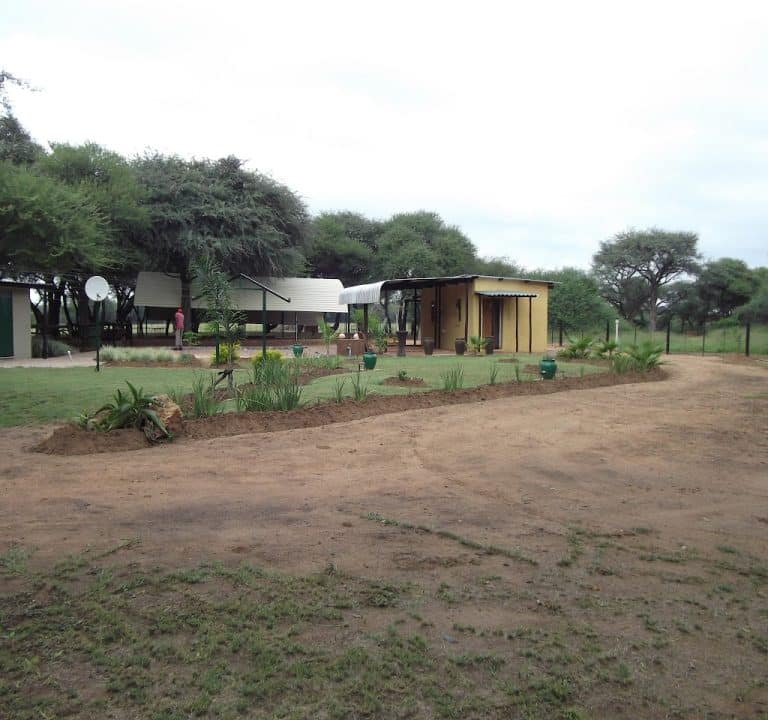
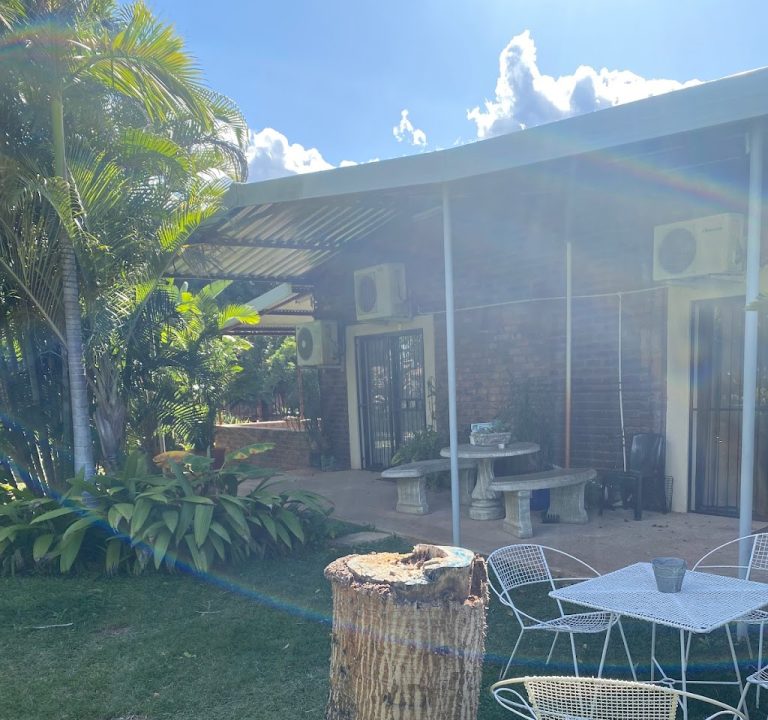
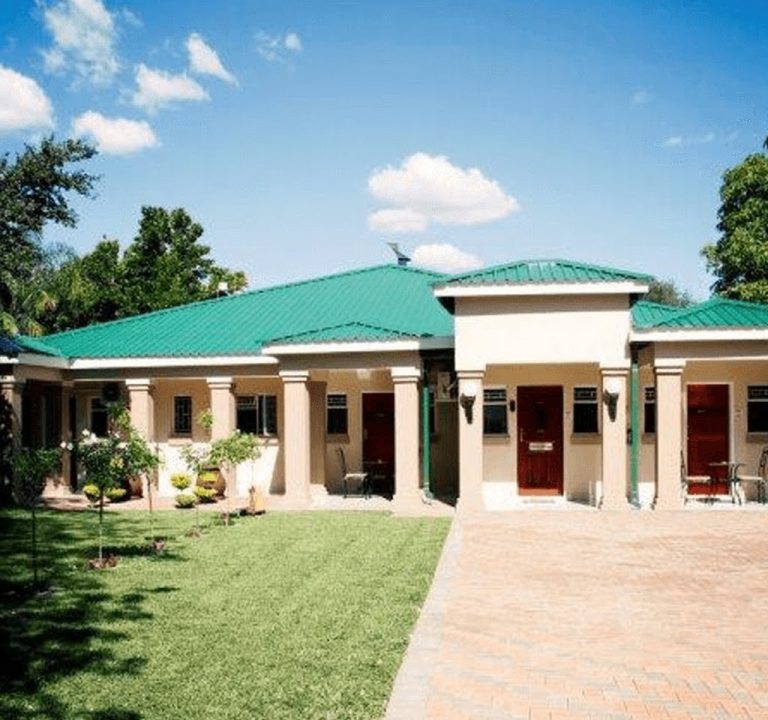
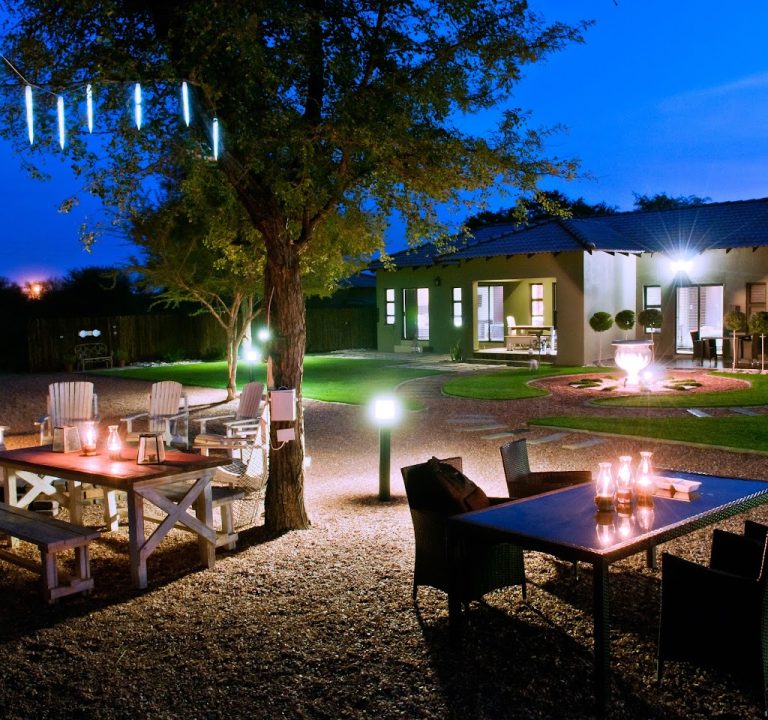
Where to stay in Lephalale tends to cluster around small towns and rural lodges that emphasise spacious rooms, outdoor spaces and easy access to nature. Within or near the town, you’ll find guesthouses and self-catering stays that suit couples, families and groups looking for a home-from-home atmosphere. For those seeking a more immersive experience, a lodge or game-focused retreat not far from reserve land can provide guided walks, night drives and personalised itineraries. One example of a lodge-type option you might encounter is a property described as a lodge with an emphasis on comfortable suites, communal lounges and on-site activities; such places often highlight regional landscapes and wildlife on their doorstep.
Key areas to consider when choosing accommodation include:
- Proximity to waterbody access and wildlife routes for easy game viewing or birding.
- Distance to the town centre for convenient dining, errands and information centres.
- Access to guided activities, such as boat trips, safaris or cultural excursions.
- Self-catering facilities if you want flexibility for meals and picnics.
- Privacy and space, especially for families or groups wanting downtime after day trips.
When booking, look for clear communication about the following typical amenities and services. Each property may vary, but common offerings include:
- Private or shared bathrooms with hot water and good water pressure.
- Air conditioning or fans, essential in warmer months.
- Wi‑Fi access, where possible, especially if you need to check weather, plan drives or keep in touch with home.
- On-site dining or a kitchenette for casual meals.
- Outdoor spaces such as verandas, braai areas or swimming pools.
- Secure parking and straightforward check‑in/check‑out procedures.
- Tailored activities or assistance with arranging guided experiences.
Transport is an important consideration. A rental car is usually the most practical option for exploring Lephalale and its surroundings, offering the flexibility to visit reserves, viewpoints and local villages at your own pace. Some lodges may offer shuttle services or guided transport as part of a package, so it is worth asking when you book. If you are arriving from a distance, plan to fly into a major hub and then complete the overland journey by road, as air connections within Limpopo can be limited.
Best time to visit Lephalale depends on what you want from your trip. The shoulder seasons can be ideal for milder weather and fewer crowds, while the cooler dry season is popular for wildlife viewing as animals congregate near water sources. The rainy season brings lush landscapes and vibrant birdlife, but it can also make some dirt roads more challenging. Packing a versatile wardrobe—layers for early mornings and evenings, sun protection for day‑time heat, and sturdy footwear for walking and safari trails—will help you stay comfortable year‑round.
Practical planning tips:
- Book early if you are visiting during school holidays or peak wildlife seasons to secure preferred options and rates.
- Clarify what is included in your rate—meals, activities, park fees and any conservation contributions can affect overall costs.
- Ask about accessibility for drive‑able routes and the difficulty of trails if you plan self-guided activities.
- Check cancellation policies and weather contingencies in case of seasonal variations.
- Respect local wildlife and communities by following guidelines provided by your hosts and guides.
Nearby attractions and experiences generally fall into four categories: wildlife and nature, water-based activities, cultural encounters, and scenic or stargazing opportunities. In broad terms, visitors can expect to explore expansive landscapes with opportunities for game viewing and birding, enjoy peaceful days by water bodies or lodge pools, and discover the local rhythms of rural Limpopo through markets, craft workshops and informal dining. Food experience is usually informal and relaxed, with options ranging from hearty braais to light meals, and many lodges emphasise the use of regional ingredients and charcoal grills. For dining out and day-long excursions, tourism information centres and your accommodation’s concierge can point you toward reputable, community-friendly options and trails that suit your interests and fitness level.
A focused stay in Lephalale can be complemented by a broader itinerary that includes day trips to neighbouring reserves, scenic viewpoints, and cultural communities. Before you travel, check the official tourism pages for Limpopo and Visit Limpopo for practical guides, seasonal highlights and safety tips. If you are curious about a specific lodge, such as Lapa le le Lodge, you may find dedicated pages or hospitality listings that describe the property’s character and the kinds of stays they offer, alongside practical travel information. Always verify current details directly with the accommodation and avoid assuming facilities or services that are not listed on the official site.
In summary, Lephalale provides a user-friendly blend of lodge-style comfort and bushveld access, with options that suit travellers seeking wildlife encounters, relaxed family stays or romantic getaways. By considering location, amenities, transport and timing, you can craft a stay that feels both convenient and adventurous—and leave with lasting memories of Limpopo’s landscapes and hospitality. For further inspiration and practical planning, you may wish to explore general resources about tourism in Limpopo and the region’s lodging options online.