Thabazimbi: A Practical Guide to Staying, Exploring, and Dining in Limpopo
Thabazimbi in Limpopo is a gateway to dramatic landscapes, vast savannahs and the Waterberg’s rugged beauty. Whether you’re seeking a tranquil retreat, a wildlife-driven break, or a base for day trips into nearby reserves, the town offers a range of accommodation styles to suit different budgets and preferences. From intimate guest houses to self-catering lodges and comfortable hotel-style stays, planning a stay here revolves around choosing the right area, understanding what to expect from your room and facilities, and organising transport that suits your itinerary.
Areas to consider when booking include central Thabazimbi for convenient access to shops and eateries, and the more secluded outskirts where nature views and privacy are the main draws. If you prefer a calm, countryside ambience with easy access to game viewing, look a little further afield towards lodges and guest houses set within or near natural reserves. When evaluating options, consider whether the property offers on-site parking, a braai area (South Africa’s iconic barbecue), and a kitchen or kitchenette if you anticipate long days out exploring.
Facilities you’ll commonly find in Thabazimbi’s accommodation include free parking, comfortable lounges, and en-suite or well-appointed bathrooms. Some options offer prime veranda or balcony seating to enjoy sunrise or sunset, as well as swimming pools, satellite television, and Wi‑Fi. For travellers staying with family or groups, family rooms, interconnecting rooms, or larger suites can make a stay more convenient. If your itinerary centres on outdoor adventures, proximity to gates or access routes to nature reserves can significantly cut travel time.
In the realm of traveller-friendly stays, you might encounter properties marketed as guest houses, small hotels, or self-contained lodges. A well-known local option commonly highlighted in visitor information emphasises comfortable, friendly service and a practical approach to daily needs—think simple breakfasts, a shared dining area, and staff who can help with planning activities. For a well-rounded experience, you may choose to base yourself in a place such as a guest house that includes breakfast or a self-catering unit for flexibility, pairing it with guided or self-guided explorations.
Transport planning is essential. The most straightforward way to explore Thabazimbi and the surrounding Waterberg region is by car. A private vehicle gives you the freedom to set your own pace, visit multiple reserves, and reach rural lodges that may be further off the beaten track. If you’re arriving by air, regional connections through airports such as Polokwane International or Hoedspruit’s Eastgate Airport can be convenient, followed by a scenic drive to your accommodation. Car hire is widely available at major hubs, and many lodges or guest houses offer helpful local advice on routes and gate opening times.
Best time to visit Thabazimbi depends on your interests. The dry winter months (roughly May to September) are excellent for wildlife watching as animals gather around watering holes and visibility improves for game viewing. Spring and autumn offer mild temperatures, while the summer rainy season brings lush landscapes and birdlife, but occasional showers can punctuate afternoons. If you plan outdoor activities such as hiking or scenic drives, packing layers and a light rain jacket is sensible, whatever the season.
When booking, look for practical details that affect your stay. Confirm the access arrangements, such as gate times to reserves, and whether the property offers guided drives or can recommend reputable operators. Check if there are dining options on-site or nearby, and whether self-catering facilities are available if you prefer to prepare some meals. Accessibility and safety features—such as secure parking and well-lit common areas—are worth verifying, particularly if you are travelling with children or older guests. If you have specific needs (parking for a larger vehicle, accessibility features, or dietary requirements), contact the property in advance for a personalised arrangement.
Dining and local experiences in Thabazimbi tend to reflect the regional cuisine and the outdoorsy vibe of the area. Expect generous portions, charcoal-grilled meats, and fresh, seasonal produce in many guest-house and lodge menus, alongside lighter meals and traditional favourites. For a broader culinary experience, you’ll find eateries in town that offer convivial atmospheres where travellers swap tips about park sightings, fly-fishing spots, or scenic routes. If you’d prefer another option, many accommodation providers partner with nearby restaurants or offer guest lounge areas where you can order in or enjoy a simple, well-prepared meal.
Practical tips to help you plan a smooth stay:
- Book well in advance for peak seasons and reserve any guided activities or game drives through your accommodation or reputable operators.
- Pack versatile clothing for warm daytime temperatures and cooler evenings, plus sturdy footwear for short hikes or nature walks.
- Carry sun protection, a hat, and a reusable water bottle when exploring outdoors.
- Ask about gates and opening times to reserves to avoid delays and ensure you’re prepared for entry requirements.
- Check whether your accommodation offers meals or if you’ll need to dine out, and plan accordingly.
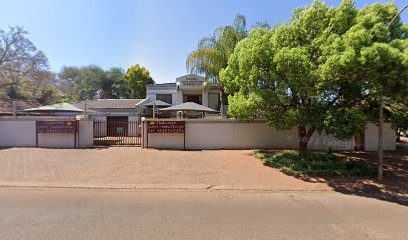
One notable example of accommodation in the area is a guest house positioned to welcome travellers with friendly service and a practical, comfortable setup. Such stays often appeal to visitors seeking a relaxed base from which to explore the region and to return to after day trips or wildlife outings. For more information on Thabazimbi and planning your stay, consult official tourism resources or the websites of individual properties to view current availability, amenities, and booking options.