Accommodation and Attractions in Pretoria, Gauteng: A Practical Guide for Visitors
Pretoria, the administrative capital of South Africa, blends leafy streets, historic architecture and a vibrant dining scene with easy access to Johannesburg and the broader Gauteng region. When planning a stay, think about choosing a neighbourhood that matches your pace—whether you want a buzzy city centre base, a quieter residential feel, or a gateway to the capital’s cultural and natural highlights. Options range from guest houses and boutique B&Bs to modern hotels, many set in charming, tree-lined streets or within easy reach of major transport routes.
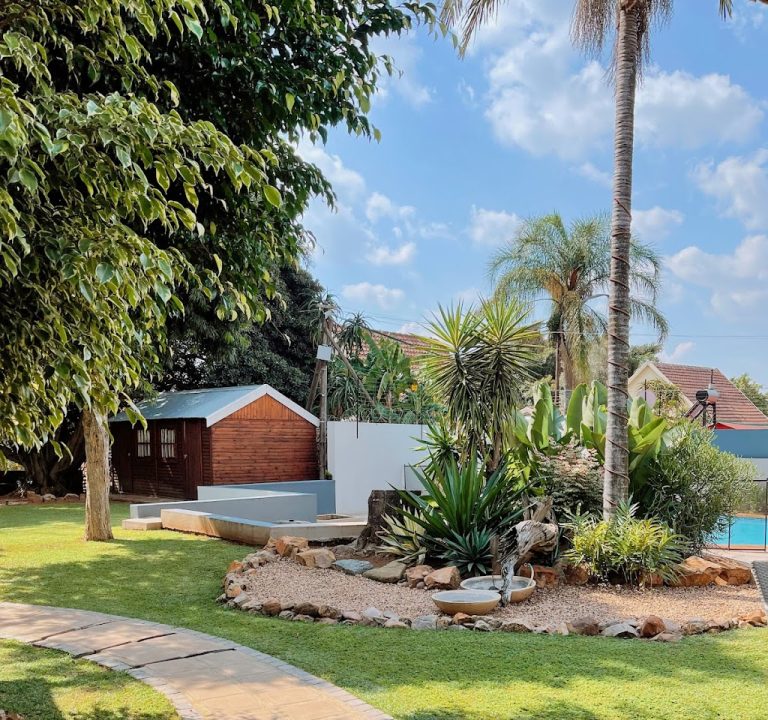
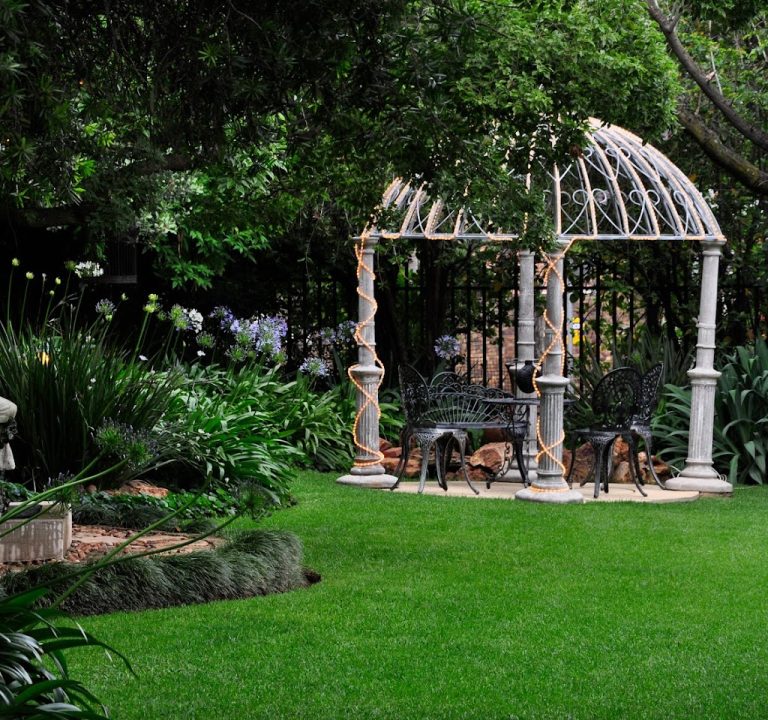
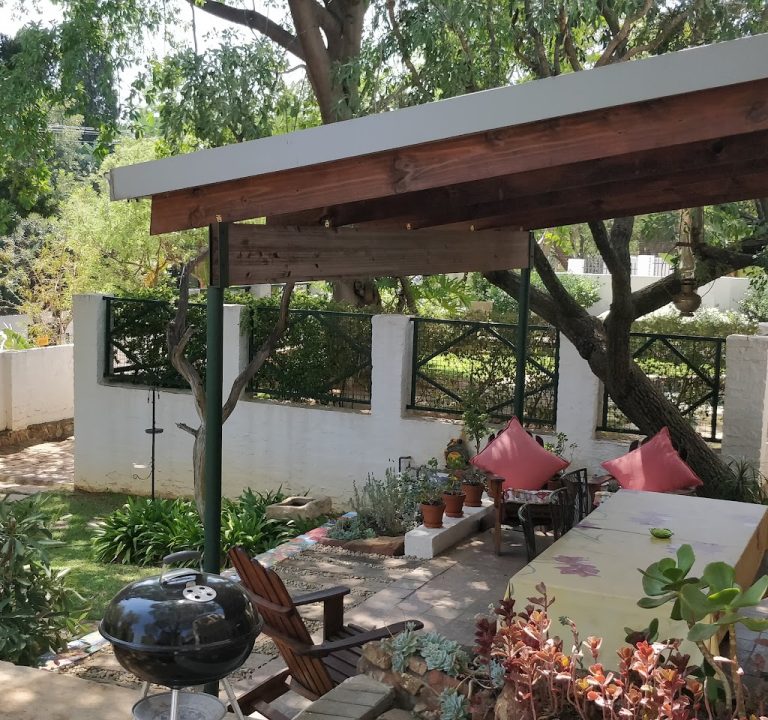
One notable option in the city’s hospitality mix is the guest house scene. Places like Lalakamnandi exemplify a warm, personalised approach often found in Pretoria’s smaller properties. These stays typically emphasise comfortable bedrooms, generous breakfasts, and a homely atmosphere, with hosts who can offer practical tips on local routes, eateries and day trips. If you are travelling on a budget or seeking a more intimate experience, a well-appointed guest house can provide good value without sacrificing comfort.
Where to stay depends largely on what you want to access. Hatfield, a lively, university-adjacent area, is popular for its cafe culture, nightlife on a smaller scale, and proximity to the University of Pretoria. Brooklyn offers a blend of residential calm with convenient access to international brands and restaurants, plus easy transport links to the city centre. Menlyn and Menlyn Park are known for modern conveniences, shopping options, and straightforward road routes, making them handy for visitors who rely on car hire or ride services. For a more historic ambience, areas near the City Centre still offer classic architecture and easy access to government buildings, museums and parks, with the benefit of being well connected by public transport.
When booking, consider the following to ensure a comfortable stay. First, check the size and layout of the room, especially if travelling with family or gear. Private bathrooms, reliable hot water, air conditioning or heating for seasonal comfort, and thoughtful extras such as a desk or seating area can make a stay more convenient. Second, review the accessibility of the property: parking facilities, safe entry, and elevator access if you are staying on higher floors. Third, look at breakfast offerings and other amenities—free Wi‑Fi, on-site parking, a communal lounge, and laundry facilities can significantly affect daily convenience, particularly for longer visits.
Transport in Pretoria is well supported by a network of options. If you plan to explore widely, consider proximity to a Gautrain station or major bus routes for easier access to Johannesburg, OR Tambo International, and northern suburbs. In many areas, rideshare services operate reliably, while car hire remains popular for visitors keen to explore beyond the immediate city centre or to reach natural and historic sites at a flexible pace. For day trips, a rental car is often the simplest solution, though guided tours and organised excursions can provide insight into the region’s history, nature reserves and cultural experiences without the hassle of planning every detail.
Best time to visit Pretoria tends to align with pleasant weather and the city’s seasonal rhythm. Spring (August and September) brings jacaranda blossoms in bloom, creating a breathtaking purple canopy across many streets, while autumn offers mild temperatures ideal for outdoor markets and garden visits. Summer can be warmer and wetter, with occasional thunderstorms, and winter is usually cool and dry. When planning outdoor activities such as nature walks or botanical garden visits, consider late morning to early afternoon hours to enjoy comfortable temperatures and lighter crowds.
Attractions and experiences in and around Pretoria are diverse, though it is wise to approach recommendations with a general sense of what interests you. Major cultural sites and monuments offer insights into the city’s layered history, while parks and reserves provide tranquil places to unwind. Numerous restaurants favour contemporary dining, South African flavours and international fare, often with options for casual meals or refined settings. When selecting dining options, many visitors favour places with a neighbourhood feel, locally sourced ingredients, and a relaxed ambience that suits both casual lunches and evening meals.
Practical tips to help you plan a smoother stay:
- Book accommodation with secure parking or clear transport options, especially if you plan to hire a car.
- Check the proximity of your stay to the areas you want to visit, to minimise daily travel time.
- Look for flexible cancellation policies and clear house rules, particularly in smaller guest houses.
- Pack layers for variable weather: Pretoria mornings can be cool, with afternoons warming up, especially in spring and autumn.
- Respect local safety guidance and keep valuables secure, as in any urban area.
- Plan a balanced itinerary that includes nature, culture, and cuisine to experience the city’s full spectrum.
Whether you want a cosy guest house close to cafes and parks, a stylish city-centre hotel, or a stylishly appointed stay in a verdant neighbourhood, Pretoria’s accommodation scene supports a comfortable and well‑rounded visit. With careful choice of area, thoughtful packing, and sensible transport planning, your stay can be both relaxing and enriching as you explore the city’s heritage, green spaces and contemporary dining.