Accommodating Cape Town: where to stay, what to know, and how to make the most of it
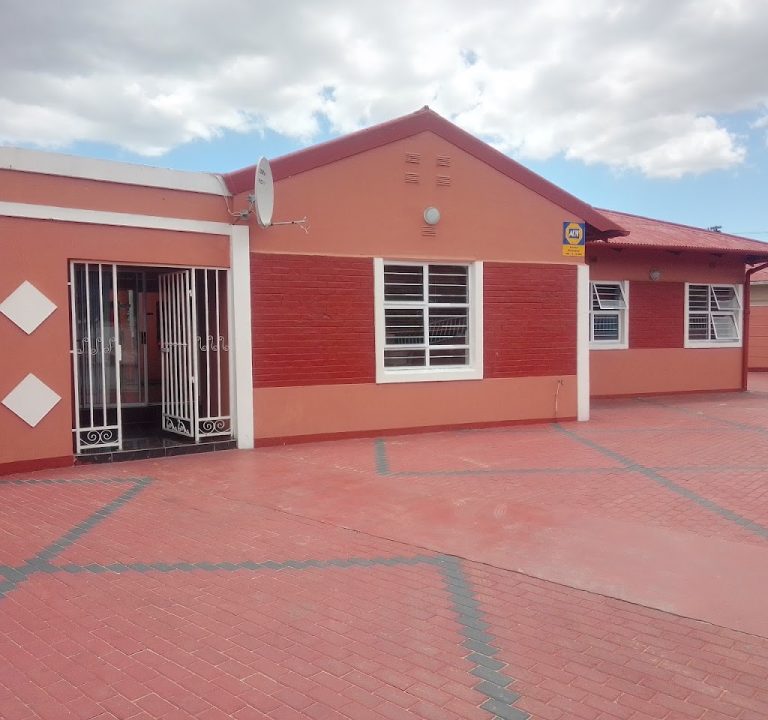
South Africa’s iconic city of Cape Town offers a rich mix of neighbourhoods, scenery and experiences that can suit every traveller. When choosing accommodation, many visitors look for a balance between comfort, location and value. A guest house such as Lacasa Guest House 1 can provide a cosy base with personalised touches, often including breakfast and friendly local tips. Beyond the personal touch, Cape Town ranges from budget-friendly BnBs to stylish boutique hotels and self-catering apartments, each with its own flavour and advantages for different itineraries.
Where you stay makes a big difference to your daily plans. The City Bowl and central Cape Town put you within easy reach of shopping, museums and the harbour, while the Atlantic Seaboard offers dramatic sea views and quick access to beaches. Suburban areas such as Green Point and De Waterkant provide a good mix of amenities and walkability, whereas Constantia and Simon’s Town offer a calmer pace with easy access to wine estates or maritime heritage, respectively. If you’re here primarily for nature and outdoor pursuits, consider staying near Table Mountain’s foothills or in the Southern Suburbs with hillside views and easy access to hiking trails.
When booking, consider the following practical factors. First, proximity to transport options can save time and stress. Cape Town’s MyCiTi bus network, train services and taxi options connect the city centre with major sights, beaches and the Cape Winelands. If you’re planning long day trips, look for parking facilities or easy access to driver-friendly routes. Second, assess amenities that matter most to you—comprehensive breakfasts, secure parking, reliable Wi‑Fi, a pool or garden space, and comfortable, quiet rooms are frequent deciding factors. Third, read cancellation policies and house rules; some guest houses offer flexible terms, while others have stricter conditions during peak seasons. Finally, consider the style of your stay: a guest house with a more intimate, locally run feel may provide better insight into hidden gems and dining recommendations than a larger chain hotel.
Typical facilities you may encounter include en suite bathrooms, air conditioning or heating, tea and coffee-making provisions, and daily housekeeping. A number of properties include included breakfast, with a regional twist such as fresh fruit, bakes, or hearty cooked options. On some occasions, you might find self-catering suites or kitchen access, which can be ideal for families or longer visits. Outdoor spaces—balconies, terraces or patios—are particularly valued in Cape Town’s temperate climate, offering a place to soak up the morning sun or unwind after a day of sightseeing.
Top sights across the city valley and coastlines can be paired with memorable meals. The iconic Table Mountain and its cable car (weather permitting) offer sweeping views of the city and harbour. The V&A Waterfront blends shopping, dining and harbour atmosphere with access to boat trips and boat tours. Kirstenbosch National Botanical Garden showcases regional flora against a mountain backdrop, and nearby wine routes provide a gentle day trip for those keen on vineyards and Cape Dutch architecture. Along the coast, scenic drives and beaches near Camps Bay and Clifton offer dramatic sunsets, while the historic harbour and Robben Island tours provide cultural context to the city’s complex past.
Restaurants in Cape Town span casual eateries to refined dining, with menus that frequently highlight seafood, fresh produce and South African flavours. When planning meals, anticipate that restaurants can be busy, particularly on weekends or during holidays, so booking ahead is wise in popular areas. Many guest houses and hotels can arrange reservations and provide local recommendations to help you discover hidden gems and frequently overlooked neighbourhoods where a longer, slower meal can be a highlight of your stay.
Time of year shapes what you can expect. Peak tourist season runs from late spring to early autumn, bringing lively streets and longer opening hours for attractions, but it also means higher prices and fuller venues. Winter brings a different charm—fewer crowds, a milder climate and the opportunity to enjoy the city’s indoor experiences, gastronomy, markets and museum collections without the busiest queues. The shoulder seasons can offer a great balance of pleasant weather, reasonable rates and more availability in accommodation and activities.
Practical planning tips to help you make the most of your Cape Town visit:
- Choose a base with easy access to your planned activities, and check if the property offers airport transfers or shuttle suggestions.
- Pack comfortable footwear for hills, steps and coastal walks; some routes are rugged or uneven.
- Bring sun protection and a light jacket for cooler evenings or higher elevations near Table Mountain.
- Check opening times for attractions and book key experiences in advance where possible, especially if you have limited days.
- Budget time for a day trip to the Cape Winelands or the Cape Peninsula, allowing for scenic drives and photo stops.
Whether you favour a home-from-home guest house like Lacasa Guest House 1 or a stylish hotel with sweeping sea views, Cape Town invites you to explore its mountains, coastlines and culinary scene at a relaxed pace. With thoughtful planning, you can tailor each day to your interests—city culture, outdoors, wine and food—while enjoying a comfortable, convenient stay that fits your budget and style.