Exploring Tulbagh: Where to Stay and What to Do in the Western Cape’s Historic Heart
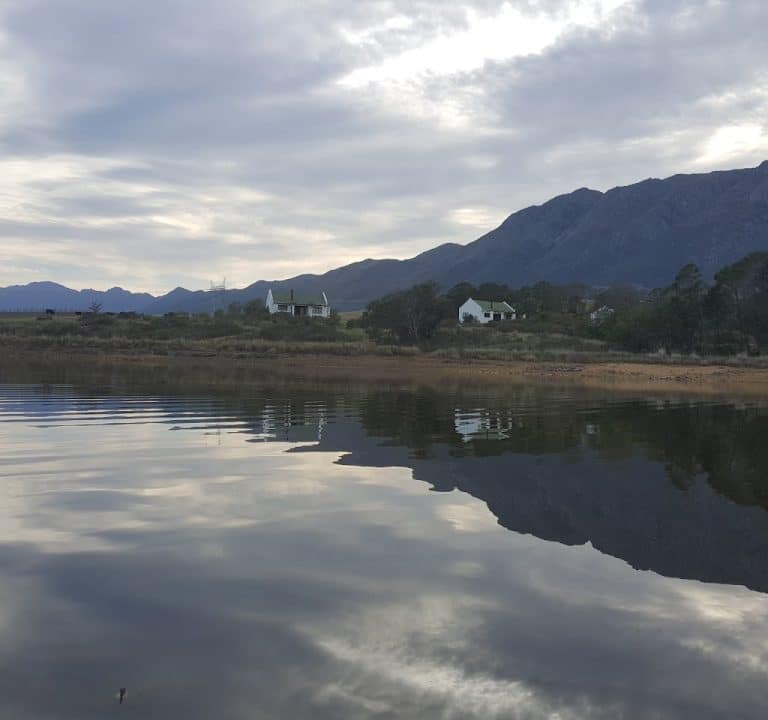
Tulbagh sits in a wooded valley flanked by the majestic Winterhoek and Riebeek mountains, a handsome heritage town that blends a tranquil rural atmosphere with accessible comforts for today’s traveller. The area is renowned for its Cape Dutch and Victorian architecture, quiet lanes, and a warm, friendly village vibe. When planning a stay, think about the pace you want: a cosy town-base with easy access to historic sights, or a countryside retreat on a working farm with space to unwind and explore the surrounding countryside.
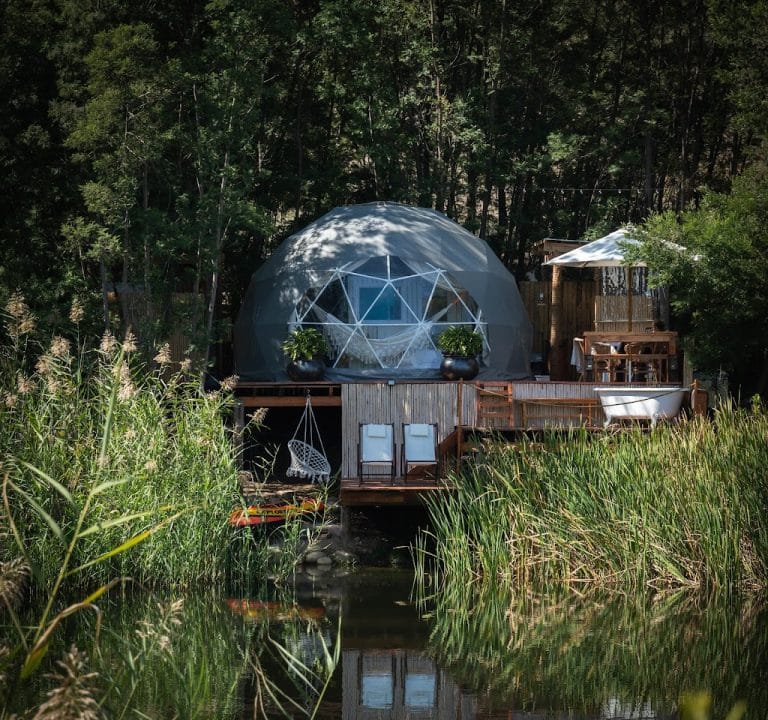
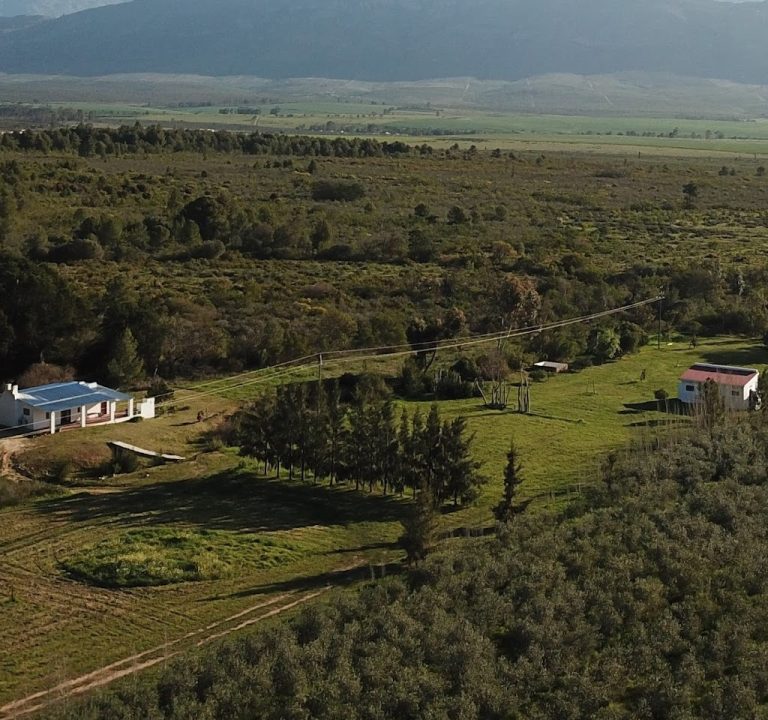
Accommodation in Tulbagh ranges from intimate guesthouses and B&Bs to self-catering farm stays and small boutique hotels. Whether you are seeking a snug room with a hearty breakfast or a self-contained unit with cooking facilities for a longer break, you’ll find options in and around the town centre as well as along the broader valley routes. A notable self-catering option is La Bruyere Farm, which offers independent facilities and a setting that makes a relaxed base for exploring the region. For further details, visit the property’s website: La Bruyere Farm.
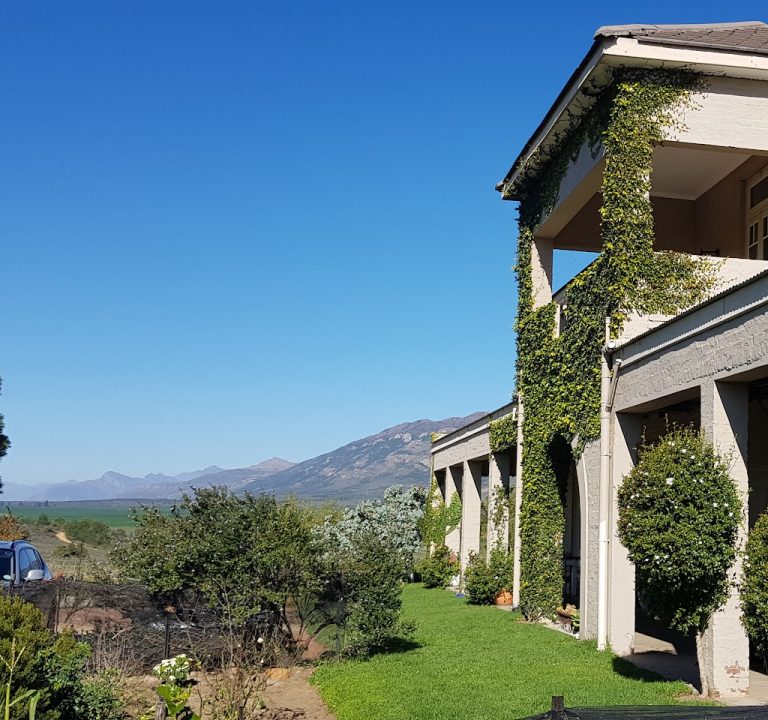
Key areas to consider when booking include Tulbagh’s historic core, where many restored homes provide a sense of the town’s past while offering modern comforts. The surrounding farmland and valley edges present quieter, more secluded stays with expansive views and private outdoor spaces. If you’re visiting during peak seasons, booking well in advance is wise, as popular spots can fill quickly, especially during school holidays and long weekends.
Typical amenities to look for include well-equipped kitchens or kitchenettes for self-catering stays, reliable heating or air conditioning, free Wi‑Fi, secure parking, and easy access to outdoor spaces such as verandas or gardens. A comfortable bed, good lighting, and a thoughtful supply of local information — maps, restaurant guides, and self-guided stroll or cycling routes — can greatly enhance the stay. For families or longer visits, a separate living area and laundry facilities are practical inclusions. If you value sustainability, look for properties that promote water-wise practices, recycling, and nature-friendly housekeeping.
Transport-wise, a car is typically the most convenient way to explore Tulbagh and its surrounding wine routes and farms. Driving times are modest, and many attractions lie along scenic routes that reward a leisurely pace. If you’re staying in the town, you’ll often find cafés, bakeries, and small shops within easy walking distance, making mornings simple for a relaxed start before heading out to explore the valley. For visitors without a car, check whether your accommodation offers airport transfers or access to local guided tours that cover the highlights with group or private options.
The best time to visit Tulbagh depends on your priorities. Spring (September to November) brings mild weather and the first blooms, while autumn (March to May) offers cooler days and rich colours in the surrounding countryside. Summer is warm and dry, ideal for outdoor activities and wine tasting along the nearby routes. Winter can be cool and bright, with clear skies ideal for scenic day trips. Plan ahead for harvest periods if wine-tasting is on your agenda, and be prepared for occasional seasonal variations in weather.
When thinking about activities, Tulbagh offers a gentle mix of cultural sights, natural beauty, and farm-life experiences. In the historic core, you can wander the old streets, admire restored colonial façades, and visit the town’s heritage sites at your own pace. The surrounding valley provides access to winter hiking, scenic drives, and farm-tours where you may learn about traditional farming practices and local produce. The Western Cape’s wine routes are nearby for those who enjoy discovering small, family-run estates, often featuring wine tastings paired with regional cheeses and breads in relaxed settings.
For dining, Tulbagh presents a range of eateries that emphasise seasonal produce and regionally grown ingredients. Expect warm, relaxed atmospheres with menus reflecting farm-to-table sensibilities and casual, friendly service. It’s wise to check opening times in advance, as many establishments operate on seasonal hours or close mid-week outside peak periods. If you’re staying on a self-catering property, you’ll often find the option to arrange a local tasting or a guided farm-to-table experience through your host or property manager.
Practical tips to help you plan a smooth stay:
- Book a property with climate-appropriate heating or cooling, especially if you visit shoulder seasons.
- Choose a central base in Tulbagh town for easy access to cafés, shops, and heritage sites, or opt for a countryside farm stay for space and views.
- Check parking availability and access to public transport or organised tours if you don’t plan to drive everywhere.
- Pack light layers and a good pair of walking shoes for streets, hills, and nature trails.
- Look for properties offering self-catering or kitchen facilities, plus recommended local eateries nearby.
- Consider the season for harvests and events; timing can enrich your experience with markets, tastings, or cultural activities.
Whether you are drawn by architecture and history, the landscape and hiking routes, or the simplicity of a restful farm stay, Tulbagh offers a hospitable retreat in the Western Cape. A well-chosen base, paired with mindful planning and a touch of local curiosity, will help you make the most of this charming destination.