Accommodation and Experiences in Masealama, Limpopo: Where to Stay and What to Do
Nestled in the heart of Limpopo, near the forested escarpments and rolling hills of the region, Masealama offers a quiet retreat for travellers seeking insight into South Africa’s diverse natural landscapes. Lodges and guesthouses in this area provide a welcoming base from which to explore the surrounding nature reserves, engaging cultural experiences, and relaxed cuisine. Whether you are after a private escape, a family-friendly break, or a small-group adventure, the options here balance comfort with an authentic sense of place.
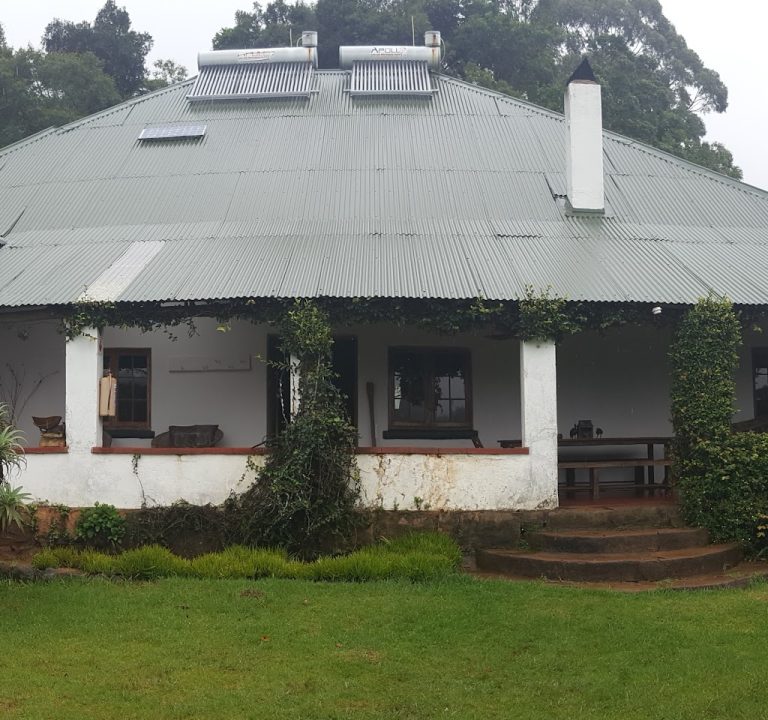
As you plan a stay, consider the character of the place you wish to call home for a few days. A lodge such as Kurisa Moya (a well-regarded nature lodge in the Limpopo highlands) emphasises connection with the landscape through comfortable accommodations, guided walks, and on-site dining. Other options in the wider area range from intimate bungalows to self-catering cottages, often set within forested properties or along gently sloping hills. Each option tends to prioritise natural light, tranquil settings, and easy access to hiking trails, birdlife, and the possibility of night-sky watching under clear highland skies.
Areas to consider when choosing where to stay include proximity to forest trails and reserve gates, ease of parking, and the availability of on-site or nearby dining. Some lodges offer all-inclusive or half-board arrangements, which can simplify planning after a day of exploration. Staff at many properties are accustomed to assisting guests with day-plans, including guided walks, mountain bike routes, and short strolls to nearby viewpoints. If you are visiting with children or elderly travellers, check for family-friendly spaces, safe paths, and the length of walks or drive times between facilities.
Typical amenities you can expect in this part of Limpopo often include private or shared terraces, comfortable bedding, en-suite bathrooms, and climate control suitable for warm summers and cool evenings. Several lodges also present curated, locally sourced meals and options for dietary preferences. If internet access is important, confirm whether Wi-Fi is available in public areas or rooms, as rural settings may have variable connectivity. For those seeking a truly immersive stay, look for experiences such as guided nature walks, birdwatching, or cultural tours that explain regional flora, fauna, and traditional practices.
Transport arrangements are worth planning ahead. The region is best reached by road from larger towns, with most properties offering parking or a shuttle arrangement. If you are self-driving, a reliable vehicle with ample space for luggage and any outdoor gear is advantageous. For guests arriving from farther afield, it is wise to coordinate arrival times with the lodge or guesthouse to ensure staff can greet you upon arrival and help you settle in before sunset. Road travel times in the area can be longer than expected due to winding routes through forested landscapes, so a relaxed schedule often makes for a more enjoyable trip.
Best time to visit depends on what you wish to experience. The dry winter months illuminate the landscape with clear skies and pleasant daytime temperatures, ideal for outdoor explorations and wildlife spotting. Spring brings blossoming flora and a bloom of birdlife, while the summer rains foster lush scenery and invigorating microclimates. If your plans include hiking or mountain activities, always check the weather and trail conditions in advance, and obtain any necessary permissions or guiding services from your accommodation if required.
Practical tips to help you plan a smoother stay:
- Book accommodation well in advance, especially for peak seasons or long weekends.
- Ask about guided walks and whether a terrain-appropriate guide is recommended for certain trails.
- Confirm meal arrangements, dietary options, and any on-site dining hours.
- Check for family-friendly facilities or accessibility features if needed.
- Bring suitable clothing for variable highland weather—layers are useful for morning and evening temps.
When it comes to attractions and experiences, expect a balance of nature-based activities and relaxed leisure. In the Masealama area, you’ll find opportunities to explore forested reserves, dramatic viewpoints, and kilometres of walking and cycling routes that showcase the region’s biodiversity. You may also encounter local communities offering insights into traditional crafts and everyday life, providing a meaningful counterpoint to the natural scenery. For meals and socialising, many lodges and guesthouses specialise in simple, seasonal dishes that highlight local produce, prepared to accompany a restful evening after a day outdoors. While exact venues and prices vary, your host or lodge concierge can suggest suitable options for lunches, dinners, and casual refreshments in nearby towns or on-site cafés and dining areas.
In planning a stay around Kurisa Moya or other lodges in the Masealama area, consider pairing your visit with a broader exploration of Limpopo’s highland landscapes and regional hospitality. Access to nature reserves can unlock memorable wildlife viewing, quiet trails, and the kind of starry skies that make a night outdoors particularly special. By selecting a thoughtfully located base, aligning with your preferred pace of exploration, and communicating your needs ahead of time, you can craft a travel experience that feels both restorative and energising. For more information, consult the lodge’s official pages or contact the property directly through their website to confirm current amenities, availability, and local recommendations.