Hoedspruit: accommodation, attractions and planning tips for a memorable stay in Limpopo
Hoedspruit is a gateway town for wildlife enthusiasts and travellers seeking a balance between comfortable lodges and easy access to South Africa’s premier safari regions. Nestled in the Waterberg and close to the Kruger National Park, the area offers a range of accommodation options from intimate lodges and guesthouses to self-catering cottages and larger safari camps. When planning a stay, consider where you want to base yourself, how you will move around, and what kind of experiences you’d like to prioritise.
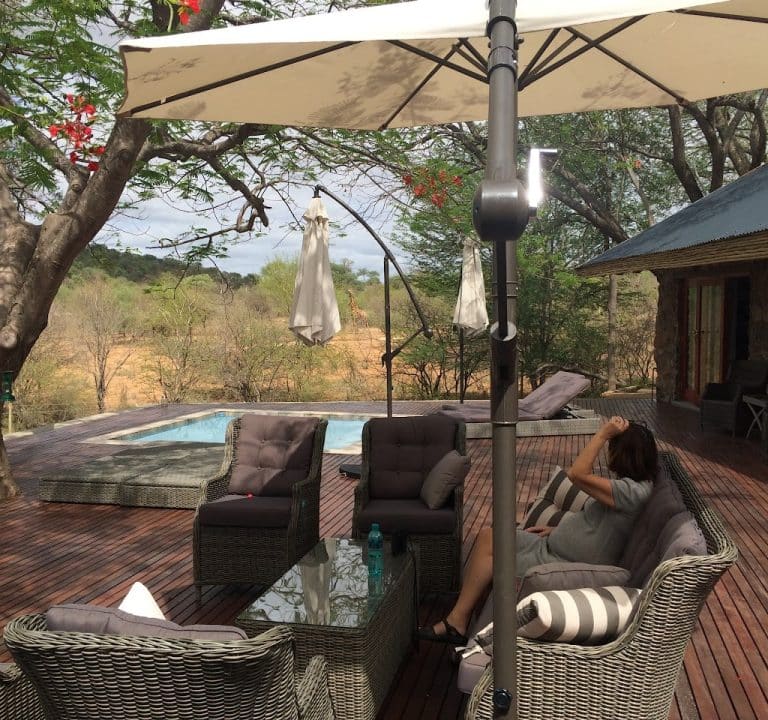
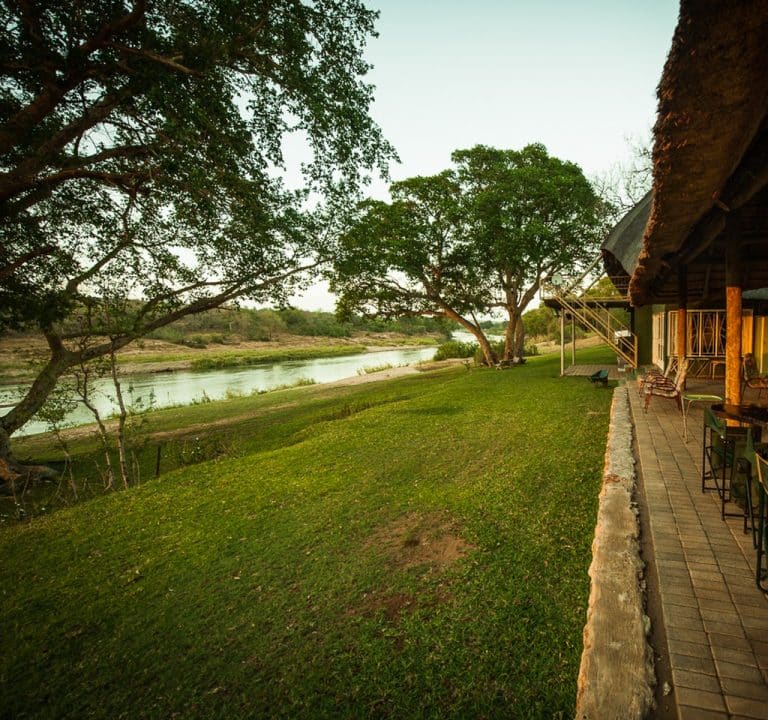
Accommodation around Hoedspruit generally falls into a few broad categories. Lodge-style properties tend to focus on guided experiences, wildlife drives, and air-conditioned comfort after a day in the bush. Guesthouses and smaller inns offer a more intimate, often value-focused option with personalised service. Self-catering stays are ideal for families or groups who prefer flexibility, while boutique lodges frequently combine stylish interiors with curated activities. One well-known example is Kurhula Wildlife Lodge, a lodge set within easy reach of the town and the surrounding reserves; its website provides details about rooms, dining, and on-site experiences: Kurhula Wildlife Lodge.
Areas to consider when choosing where to stay include:
- Hoedspruit town itself, which offers convenience for shopping, dining and accessing local services while still being within reach of wildlife reserves.
- Eastgate or surrounding rural routes, where many lodges enjoy quiet bushland settings and shorter drives to game drives.
- Nearby wildlife reserves and private concessions, which often provide exclusive-guided experiences and private vehicle access.
- Proximity to the Kruger National Park gate(s) and other protected areas for easy early-morning departures on safari.
What to look for when booking a stay in Hoedspruit
- Guiding and safari activities: request details about daily drive times, vehicle types, and whether guides are qualified. Private or small-group options can enhance wildlife sightings, especially for first-time visitors.
- Meal plans and dining options: many lodges include meals or offer game-driven menus, while self-catering options permit flexible schedules for early starts and late finishes after sundowners.
- Facilities and comfort: air conditioning or fans for hot months, reliable Wi‑Fi (if necessary for work or planning), and pool or outdoor spaces to relax between excursions.
- Family suitability: confirm the policy on under‑14s, private family rooms, and child-friendly activities, if travelling with younger guests.
- Access and transport: check whether transfers from Hoedspruit Airport or the main road network are included or available at a surcharge, and whether cars are recommended or required for self-drive itineraries.
Typical amenities you can expect in many Hoedspruit properties include private verandahs or balconies with bush views, en-suite bathrooms, outdoor dining areas, and safekeeping for valuables. Some lodges offer spa services, fitness facilities, or astronomical nights for stargazing, alongside experienced-driven itineraries such as bush walks, birding, and cultural visits with local communities. If you are travelling with children, look for flexible dining times, kid-friendly menus, and nature-based activities suitable for different ages.
Transport and getting around the region is straightforward, though people often opt for a car rental to maximise flexibility. A scenic or short domestic flight into Hoedspruit’s airstrip can save time when combining multiple parks and reserves. From the town, many guests arrange morning drives or guided walks with their stay, while daytime drives and nature safaris are commonly offered as part of a lodge package. Remember to allow time for driving between reserves, gates, and viewpoints, as roads can be sandy or uneven in rural areas.
Best time to visit Hoedspruit tends to follow the broader patterns of the Limpopo region. The dry winter months (roughly May to September) are popular for wildlife viewing since animals gather at water sources and vegetation is less dense. The shoulder seasons can offer good conditions with less intense heat and more comfortable morning drives. The rainy season (roughly November to March) brings lush scenery and vibrant birdlife, but some roads can become more slippery and sightings can shift with weather conditions.
Practical tips to help you plan a smooth stay:
- Pack lightweight layers for warm days and cooler evenings, sun protection, and insect repellent for evenings outdoors.
- Book in advance if you plan to visit during peak wildlife season or school holidays, particularly for intimate lodges or private reserves.
- Check malaria prevention guidance for the area and prepare accordingly, especially if visiting multiple reserves or staying in eco-friendly camps with outdoor activities.
- Confirm gate opening and closing times for Kruger and other reserves to synchronise with early-morning safaris and sunset drives.
- Consider combining a few nights in a lodge with day trips to notable attractions and viewpoints in the region to balance wildlife experiences with cultural and scenic activities.
- Bring a compact camera or ensure your phone has enough storage for wildlife photography, and carry a basic spare battery for long days in the bush.
Beyond the wildlife experience, Hoedspruit offers gateway access to a range of activities and dining options that complement a lodge stay. Visitors can explore nearby protected areas, enjoy guided bush walks, or take day trips to regional viewpoints and natural landmarks. While keeping to general terms, travellers can expect a balance of scenic drives, wildlife encounters, and opportunities to unwind in comfortable, thoughtfully designed accommodation. For many guests, Hoedspruit serves as a practical, inviting base from which to explore Limpopo’s wildlife-rich landscapes and the wider Highveld region.