Accommodating Johannesburg: where to stay, what to expect, and how to plan your visit
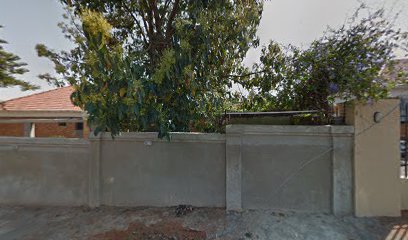
Johannesburg, Gauteng, is a dynamic hub of culture, history and modern suburbia. When choosing accommodation, consider a balance between location, safety, and access to the city’s key sights. From stylish B&Bs and guesthouses to contemporary hotels and boutique lodges, there are options to suit a range of budgets and interests. A standout example for a comfortable stay is Kunene Homes B&B, which offers a welcoming base within easy reach of central Johannesburg and the wider region. Visit the property’s website for details on rooms, amenities and bookings: Kunene Homes B&B.
Where to stay matters as much as what you do once you arrive. Distinctive neighbourhoods each have their own character:
- Neighbourhoods closer to the city centre provide rapid access to business districts, museums and galleries, as well as vibrant dining and nightlife.
- Suburban pockets offer a calmer base with easy links to highways and parks, great for travellers who want a quieter night's sleep after a day of exploring.
- Historical areas near Soweto or the central business district can give you a sense of the city’s past while serving as a practical launchpad for day trips.
When booking, look for practical amenities that improve your stay. A well-positioned room with air conditioning or good ventilation is essential in Johannesburg’s warm months. Reliable Wi‑Fi, a private bathroom, secure parking or easy access to public transport, and on-site dining or a nearby breakfast option are all advantages. If you plan early starts for day trips, check whether the property offers a continental breakfast or a self-catering option. If you are travelling with family or a group, request accommodation with separate sleeping areas or a small lounge so you can unwind after busy days.
Transport is a practical consideration in Johannesburg. The city has a mix of options that cater to different itineraries:
- Gautrain links to the airport and neighbouring cities offer fast, reliable travel to central Johannesburg and surrounding precincts.
- Major roads connect to Johannesburg’s northern, southern and eastern suburbs, making self-driving practical for those planning a flexible schedule.
- Taxis and ride-hailing services are widely available, with many hotels and guesthouses able to arrange transfers or provide guidance on safe local routes.
Planning your days around Johannesburg’s attractions can help you make the most of your time. In general terms, you might structure a visit to include:
- Historical and cultural sights that illuminate South Africa’s story, including museums and important archives.
- Markets and street-level experiences where you can sample local flavours and crafts.
- Parks, viewpoints and city walks that reveal the city’s dynamic skyline and green spaces.
- Neighbourhoods renowned for dining scenes, offering a range of cuisines and casual to refined options.
The best time to visit Johannesburg is typically during the southern hemisphere’s winter and spring or autumn months, when the weather is mild and outdoor activities are comfortable. Summers can be warm, with the possibility of thunder showers, so planning indoor or shade-friendly activities during peak heat is wise. If you’re keen on outdoor markets, gardens or outdoor cafés, aim for late spring or early autumn for the most pleasant conditions.
Booking considerations go beyond price. Consider room layout, noise levels, and whether the property is part of a small boutique portfolio or a larger hotel group. Reviews from fellow travellers can offer insight into real-world experiences, particularly regarding safety, staff attentiveness and the consistency of housekeeping. If you are travelling during peak periods or for special occasions, book as early as possible to secure your preferred area and dates.
Eating out is a highlight of staying in Johannesburg. The city’s dining scene ranges from casual eateries to refined dining rooms, with a focus on African flavours, international cuisines and innovative fusion concepts. When selecting restaurants, look for places that offer a mix of sit-down meals and casual options, and consider whether the venue is well connected to your hotel or place of stay for convenient evenings after long days of sightseeing. For a balanced itinerary, combine a few well-reviewed restaurants with informal cafés located in or near your chosen neighbourhood.
Practical tips to consider before you travel:
- Check accessibility and proximity to your planned activities to minimise long commutes between morning starts and evening meals.
- Prepare a flexible day plan with a couple of primary sights and a handful of drop-in experiences to avoid fatigue.
- Pack a lightweight jacket for evenings, as temperatures can drop after sunset in some seasons.
- Keep a small map or offline navigation handy, especially if you plan to explore several neighbourhoods on foot.
- Respect local safety guidelines and heed advice from your accommodation hosts on areas to visit or avoid after dark.
Johannesburg offers a compelling mix of modern comforts and cultural depth. With careful planning around where you stay, how you move, and what you prioritise in your daily schedule, your trip can be both relaxed and richly rewarding. Whether you choose the intimate feel of a B&B such as Kunene Homes or a larger hotel with contemporary conveniences, you’ll find that the city’s energy, warm hospitality, and diverse experiences provide a memorable stay in Gauteng.