Krugersdorp: A Traveller’s Guide to Stay, Sights and Flavour in Gauteng
Krugersdorp, perched on the western edge of Gauteng, offers a convenient base for exploring the Magaliesberg foothills, the Cradle of Humankind World Heritage Site and the broader North West Rand. With a mix of guest houses, small hotels and self-catering stays, the town provides approachable comfort for travellers who favour a friendly, unaffiliated atmosphere over a large city hotel. Planning a stay here means balancing easy access to nature and culture with practical considerations about transport, safety and local amenities.
Where to stay and what to look for when booking. The area around Krugersdorp ranges from central town locations to leafy residential suburbs and rural-style retreats closer to Ruimsig and Muldersdrift. When you search for accommodation, consider the following:
- Proximity to the activities you want to enjoy, whether a nature reserve, a game drive, or a day trip to the Cradle of Humankind.
- Access to reliable transport options, including private car hire or convenient ride-share pick‑ups, as many attractions are spread across the surrounding lowveld and plains.
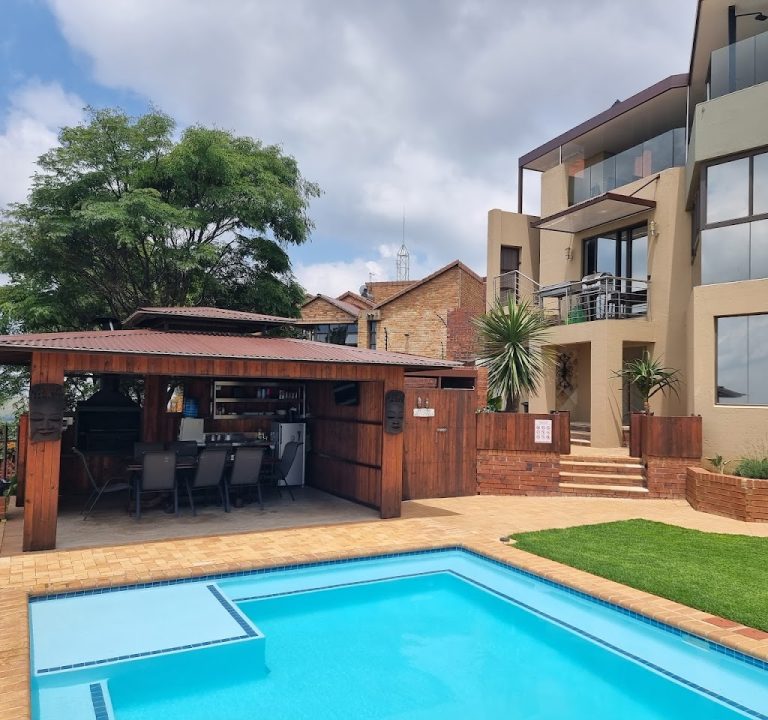
- Guest house or self-catering facilities as a backdrop for a relaxed stay, with opportunities to mingle with hosts and fellow travellers or to cook your own meals when convenient.
- Included amenities such as secure parking, en-suite bathrooms, Wi‑Fi, cooking facilities, and convenient dining spaces.
- Safety and noise levels, especially if you are staying in older town districts or near major roads, and the availability of 24-hour reception or on-site staff.
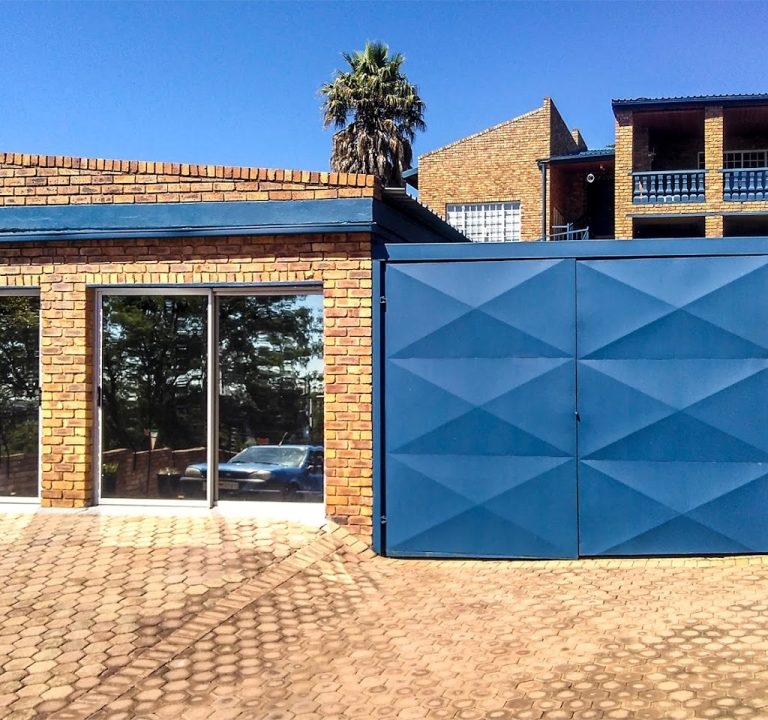
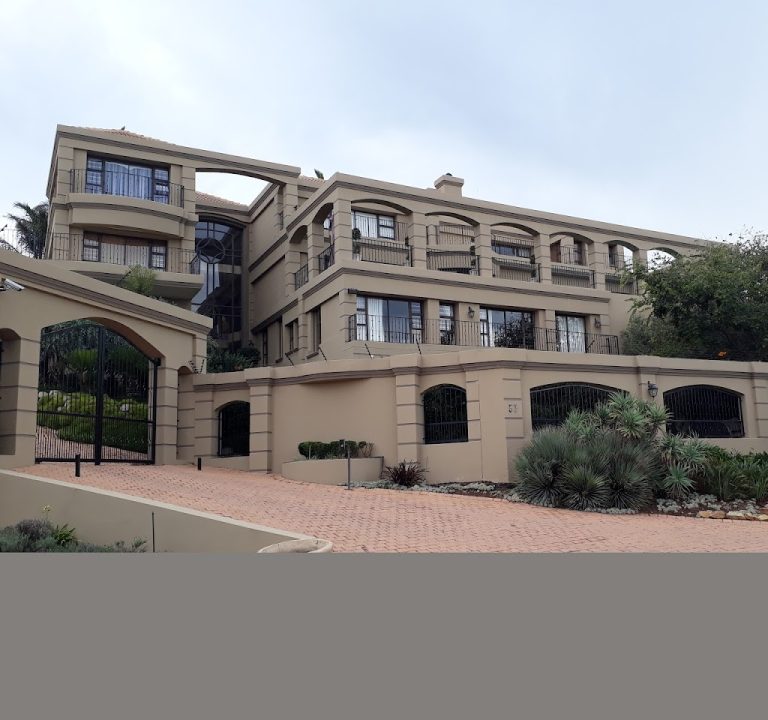
A typical stay in Krugersdorp can be comfortably low-key. You will often find guest houses offering warm, personalised service, with breakfast options that highlight South African flavours. Self‑catering units are popular with families or groups who want flexibility, while boutique-style rooms provide a cosy base after day trips into the countryside. When reviewing options, check recent guest reviews for hints on cleanliness, staff responsiveness, and any seasonal considerations such as heat in summer or cool evenings in winter.
What to expect in terms of transport and getting around. Krugersdorp is well-connected to major routes such as the N14 and R28, making it straightforward to reach Johannesburg for business or to explore the city’s varied museums and markets. Local taxis, ride-hailing services and rental cars are common choices. If you plan to visit the Cradle of Humankind and other West Rand sites, a car is often the simplest way to move between attractions at your own pace. For shorter trips within town, most guest houses are within walking distance of cafés and small shops, though a car or taxi can be more convenient for early starts or late returns.
Best time to visit and practical tips. The region enjoys a temperate climate with warm summers and mild winters. Dry winter days are excellent for outdoor activities and day trips, while summer can bring showers and lush landscapes. Pack layers for cooler evenings, sun protection for daytime activities, and comfortable footwear for walking or hiking in reserve areas. If you plan to visit nature reserves or outdoor preserves, bring a water bottle, a small first-aid kit and a camera to capture the scenery and wildlife. Check park opening hours and any seasonal access matters in advance, particularly for day trips that involve longer drives between Krugersdorp and rural or natural sites.
What to do: attractions and experiences in general terms. In and around Krugersdorp, the emphasis is on nature, heritage and outdoor recreation. You can expect pleasant walks or short hikes in nearby hills, guided or self-guided tours of historical streets, and easy access to wildlife reserves where you might see local birds and small mammals. For day trips, the Cradle of Humankind World Heritage Site offers a window into South Africa’s ancient human story, while the Magaliesberg landscapes provide dramatic scenery for outdoor enthusiasts. Family-friendly activities often include open spaces, educational exhibits, and gentle guided experiences that suit visitors of all ages. Across the broader West Rand, you will find casual dining options and eateries that showcase South African flavours, with menus typically featuring grilled meats, hearty stews, fresh salads, and affordable meals suitable for hungry travellers after a day out in the countryside.
Where to eat and drink, in general terms. Krugersdorp hosts a range of informal eateries, cafés and eateries where you can sample regional cooking and contemporary cuisine. Look for venues with good reviews for cleanliness and service, and consider trying places that source ingredients locally. If your accommodation offers meals as part of the stay, this can be a convenient and sociable option, especially for mornings when you want to set out early for a day of sightseeing. For longer stays, exploring a few different spots to taste the local flavours adds a pleasant dimension to the visit.
Planning a well-rounded stay. A sensible itinerary balances time for nature and relaxation with one or two cultural or historical stops. Start with your accommodation’s recommendations for day trips or guided tours, then widen your plan to include key regional sites within a comfortable driving distance. For bookings, keep a note of cancellation policies and any minimum-night requirements, which can be common in smaller guest houses. Finally, bookmark reliable local information resources or tourism pages to stay updated on events, seasonal openings and practical tips for travellers in Krugersdorp and the surrounding region. For more inspiration and practical visitor information, you can visit recognised travel and tourism portals that profile Krugersdorp and the Gauteng region.