Accommodation, attractions and practical planning for a stay in Salubindza, Mpumalanga
Salubindza in Mpumalanga offers a gateway to both tranquil rural scenery and the iconic wildlife experiences that define this region of South Africa. When planning a stay, travellers often choose a mix of comfortable guesthouses, long-standing lodges and self-catering options that suit different budgets and travel styles. The key is to balance location, amenities and accessibility to nearby activities while allowing time to soak up the laid‑back atmosphere that characterises rural Mpumalanga.
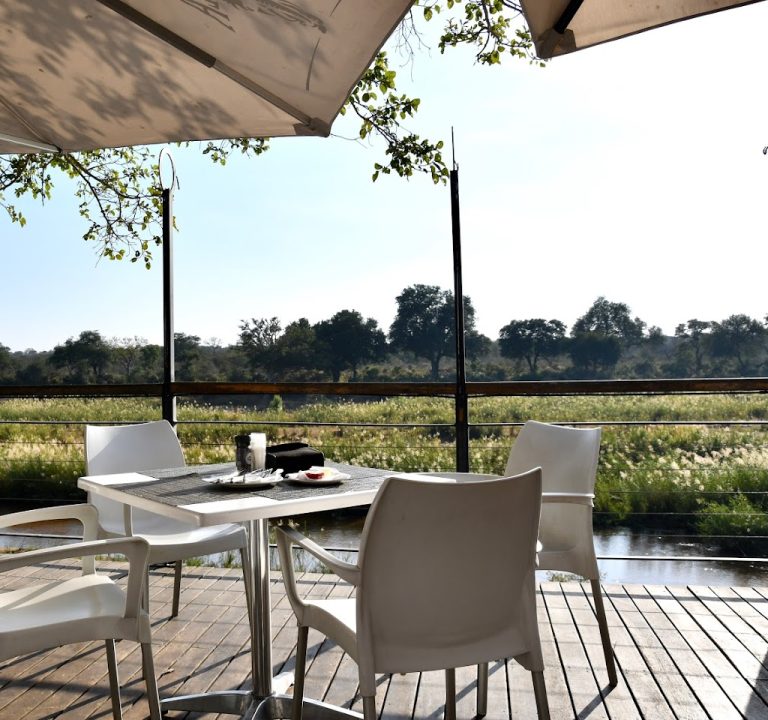
Where to stay and how to choose your base. The areas surrounding Salubindza vary from peaceful countryside patches to lodge clusters closer to entry points for wildlife reserves and day trips. If you prioritise wildlife, look for properties with easy access to gate times, extending your mornings and afternoons for game drives. If you prefer a more relaxed retreat, seek out guesthouses or boutique lodges with verandas or private seating areas from which to watch the sunset over the plains. Consider proximity to the Kruger National Park or other reserve entrances, as shorter drives mean more time for wildlife and landscape experiences. For families or groups, self‑catering cottages or chalets offer flexibility and cost efficiency, especially for longer stays.
Typical amenities you might expect. Mpumalanga lodges and guesthouses commonly provide comfortable rooms, en-suite bathrooms, and some form of dining arrangement, whether on-site meals, breakfast packs, or shared kitchen facilities. Wi‑Fi availability varies, so if connectivity is important for work or coordinating activities, verify this in advance. Many properties offer plunge pools or outdoor patios, essential to those visiting during warm months. House rules, such as quiet hours and driving etiquette on rural roads, are common and useful to understand before arrival. Some establishments take pride in local décor and offer guided experiences or curations of the surrounding landscape, which can be particularly valuable for first‑time visitors to the area.
Transport and getting around. In Salubindza and the broader Mpumalanga area, self‑drive itineraries are popular due to the abundance of scenic routes and wildlife reserves. A reliable vehicle is advisable, especially for early starts and potential gravel roads. Distances between lodges or guesthouses and main attractions can be short or involve longer scenic drives, depending on your chosen base. If you’re reliant on public transport, check whether your accommodation offers transfers or knows reputable local operators. organised tours, including guided safari drives or community experiences, can be a good way to add value to your stay while keeping logistics simple.
Best time to visit and practical planning tips. Mpumalanga enjoys a mild to warm climate, with distinct wet and dry seasons. The dry winter months (roughly May to September) are popular for wildlife viewing as animals congregate around water sources and vegetation is thinner. This period also tends to bring clearer skies and comfortable day temperatures, though chilly mornings are common, so pack a warm layer for early starts. The rainy season (summer) brings lush landscapes and occasional afternoon downs; it can be wetter underfoot but often offers more vibrant scenery. Malaria precautions are an important consideration when planning a stay near certain reserves. Consult your chosen accommodation for up‑to‑date guidance on prophylaxis, protective clothing, and insect repellent, and follow local advisories during your visit. Water and electricity supply in rural areas can be variable; packing a small mains adapter, a portable charger, and basic snacks can smooth minor interruptions.
What to look for when booking. When selecting a place, check the following:
- Location relative to planned activities and entry points to parks or reserves
- Cleanliness and maintenance of rooms and communal areas
- Availability of en‑suite bathrooms and private outdoor spaces
- On‑site dining options or proximity to reputable restaurants in nearby towns
- Security features and parking arrangements
- Clear information about check‑in/check‑out times and any additional fees
- Reliability of Wi‑Fi if you need connectivity during your stay
Dining, experiences and exploring the region. Mpumalanga’s cuisine leans on fresh produce and hearty, comforting dishes inspired by rural South African traditions. Many guesthouses and lodges offer breakfast and light meals, with additional dining options nearby ranging from casual eateries to more refined dining rooms. While specific restaurant names cannot be listed here, you can expect venues that emphasise seasonal ingredients and dishes suited to travellers after a day of exploration. For those seeking culture and nature, consider guided walks, birdwatching sessions, and community tours that illuminate local life and conservation efforts. After a day of activity, a laid‑back evening on a lodge terrace or by a pool can be a perfect end to a day in this part of Mpumalanga.
Maximising your stay. Plan a balanced itinerary that blends morning wildlife experiences with afternoons for scenic drives, hiking, or optional spa treatments that many stays offer. Leave some days flexible to accommodate weather, wildlife sightings, or simply the urge to soak in the rural ambience. If you have a particular reserve or landscape in mind, contact your accommodation ahead of time to secure preferred activities or private guides. Finally, maintain a realistic pace—Mpumalanga rewards slow, observant exploration more than rushed schedules.