Komatipoort: Where to stay, eat, and explore near the edge of the Kruger Park
Komatipoort sits beside the swollen waters of the Crocodile River, just a short hop from the Kruger National Park’s southern gates. It’s a practical gateway for travellers who want to combine a relaxed base with easy access to wildlife, nature reserves, and riverine scenery. The town itself offers a mix of friendly bed and breakfasts, guesthouses, and small hotels, many with sympathetic hosts who can help you plan day trips into the surrounding wildlife areas or across the border into Mozambique for a different flavour of adventure. When planning a stay, consider the value of a central location near the N4 highway or the riverfront, depending on your preferred pace and ease of access to morning safaris or afternoon game drives.
Accommodation in Komatipoort tends to prioritise comfort and practicality. Many B&Bs and guesthouses feature en-suite rooms, private patios or verandas, and breakfast options that showcase local flavours. For travellers seeking a bit more space, some properties offer self-catering facilities or larger family-friendly units. In general, expect reliable Wi‑Fi, secure parking, air conditioning or cooling fans, and access to comfortable communal areas where you can unwind after a day of sightseeing. When booking, look for hosts who can assist with arrangements for guided walks, elephant or birdwatching opportunities, and transfers to nearby reserves or the Kruger gates.
Areas to consider when choosing accommodation include:
- The riverfront area for tranquil views, easy park access, and a relaxed stroll to nearby eateries.
- Around the town centre for a livelier ambience, convenient shop access, and straightforward transport links.
- Near the Kruger gates for the most time-efficient start to morning safaris, typically with shorter drives to the park entrance.
Transport in and around Komatipoort is straightforward, with gravelly outback roads far less intimidating than more remote safari routes. In many properties you’ll find the offer of organised transfers or guided day trips, which can be a real time-saver if you’re unfamiliar with the region. Car hire is a popular option for those who want the freedom to explore at their own pace, while taxis or rideshares may provide convenient links to eateries and attractions in the evenings. If you plan to cross into Mozambique, check your visa requirements and driving regulations beforehand, and ensure your vehicle documentation is in order.
Best time to visit Komatipoort aligns with the Kruger ecosystem and river conditions. The dry winter months (roughly May to September) are common favourites for game viewing, as animals tend to congregate around waterholes and visibility is excellent. Summer (October to March) brings warmer weather and occasional rain, which can refresh landscapes but may lead to humid conditions and afternoon thunderstorms. For birdwatchers, spring and early summer are particularly rewarding as migratory species arrive and resident birds start their breeding displays. Regardless of season, early mornings and late afternoons are usually the best times for wildlife observation, while mid-day heat is ideal for enjoying a shaded veranda or poolside rest at your accommodation.
Typical amenities you might expect to enhance your stay include comfortable beds with quality bedding, private bathrooms, and climate control to cope with varying temperatures. A well-run B&B or guesthouse will often provide generous breakfast options—ranging from hearty cooked meals to lighter continental choices—and may offer evening meals or recommendations for local dining spots. Look for properties with reliable internet access, secure parking, and clear information from hosts about activities such as guided nature walks, birding excursions, or cultural experiences in nearby communities. If you plan on self-driving, confirm parking arrangements and the accessibility of the property during rainy periods when roads can become slippery.
When you’re planning your itinerary, consider a mix of wildlife-focused activities and more relaxed explorations. Day trips into the southern Kruger region are a common choice, reserving mornings for game drives or guided walks and afternoons for riverbank strolls or visits to nearby dams and viewpoints. While in Komatipoort, you can expect a handful of casual dining options and cafés that cater to travellers, offering light meals, coffee, and refreshments after a day on the road. For a more immersive stay, a few properties may arrange encounters with local communities or offer insights into rural life in Mpumalanga, which can be a refreshing counterpoint to the wildlife emphasis.
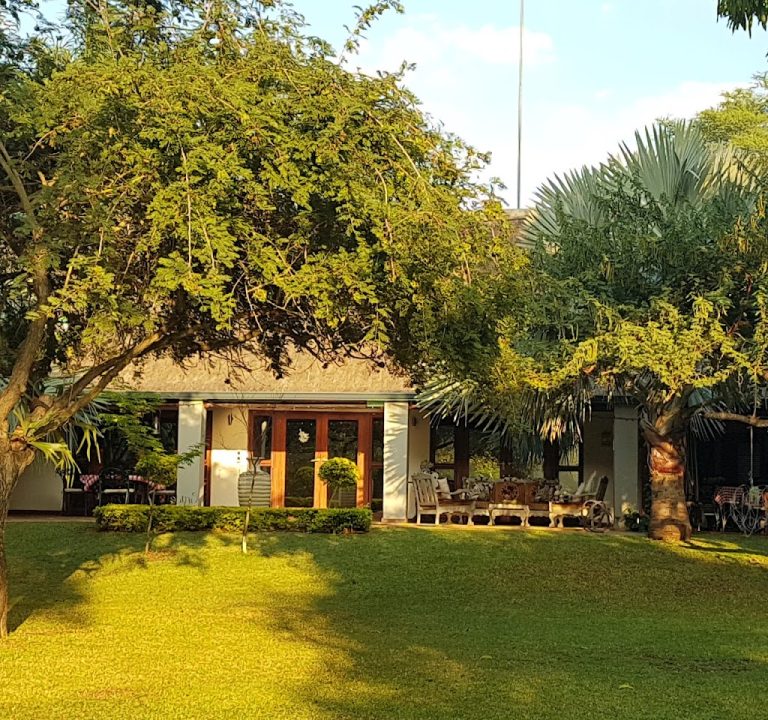
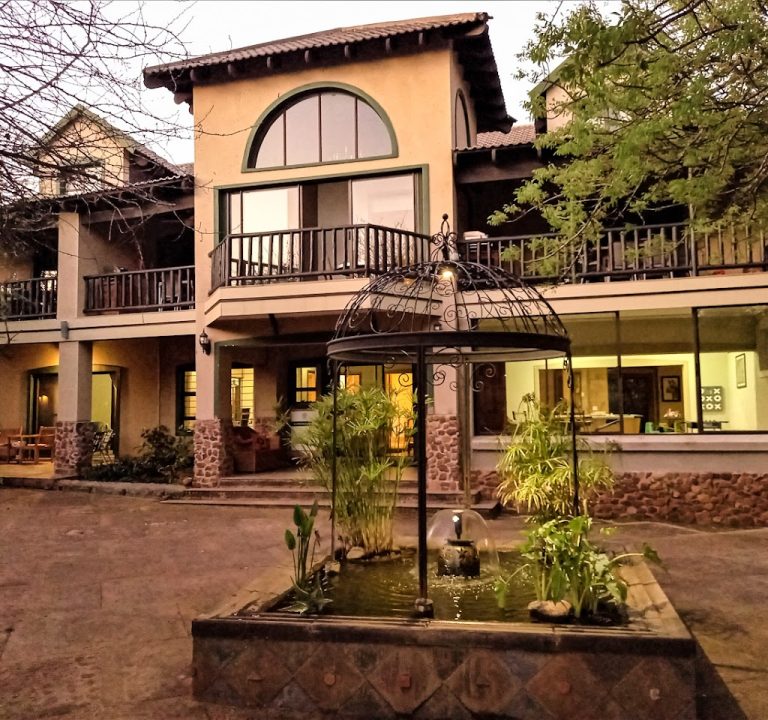
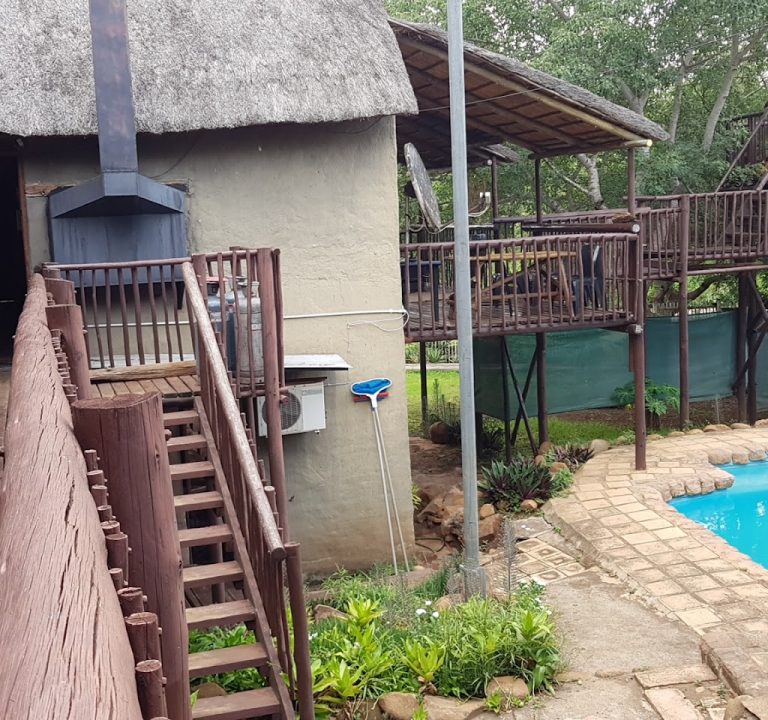
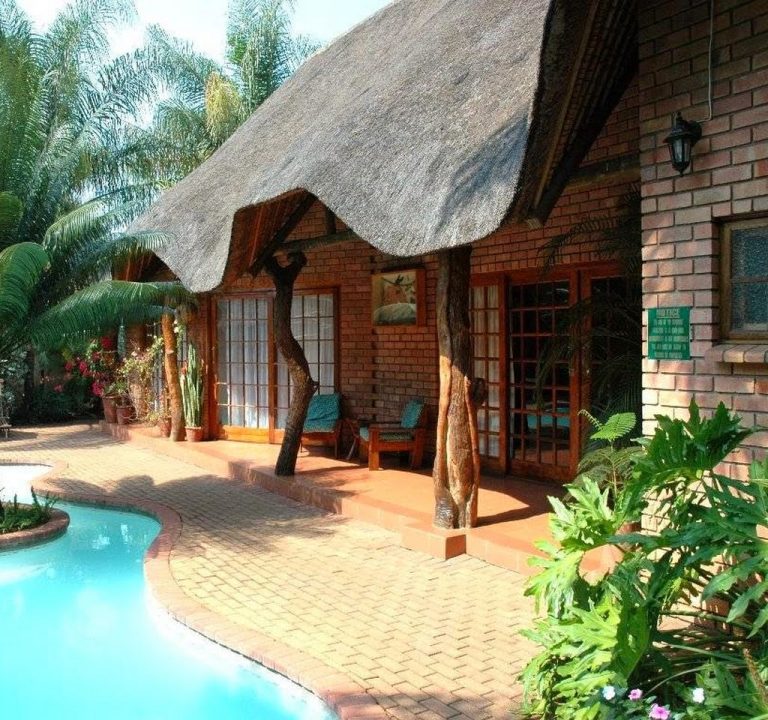
One example of accommodation in the area is a bed & breakfast known as KRUGER “ALLO” B&B, which emphasises a personalised experience with a focus on guest comfort and convenient access to park gates and surrounding attractions. For prospective guests, the property’s website provides details about room configurations, facilities, and general guidance for planning a stay, including practical tips for navigating the local area. You may wish to visit the site for the latest information and to view gallery imagery, but avoid relying on it for definitive pricing or policies that could change seasonally. See the provided link for further information: https://krugerallo1.wixsite.com/krugerallo//
Practical tips to help you enjoy Komatipoort more fully:
- Book early for peak seasons or school holidays, especially if you want a room with a river view or near gate access.
- Confirm what is included in breakfast and whether dinner can be arranged on-site or nearby.
- Ask about guided tours and whether transfers to the Kruger gates are available or recommended by your host.
- Pack layered clothing for variable weather and a light rain jacket for summer showers.
- Bring sun protection, insect repellent, and a reusable water bottle for outdoor activities.
In summary, Komatipoort provides a practical launchpad for safari-related adventures while offering a comfortable retreat after a day of exploration. By prioritising a well-located base, clear transport options, and hosts who can assist with local itineraries, you can craft a balanced stay that blends wildlife, nature, and gentle town-life in Mpumalanga.