Exploring Cape Town: where to stay, what to do and practical tips for travellers
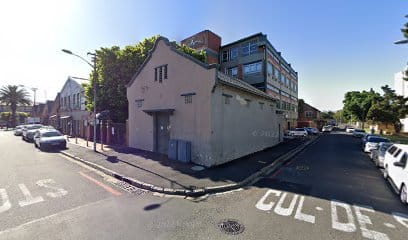
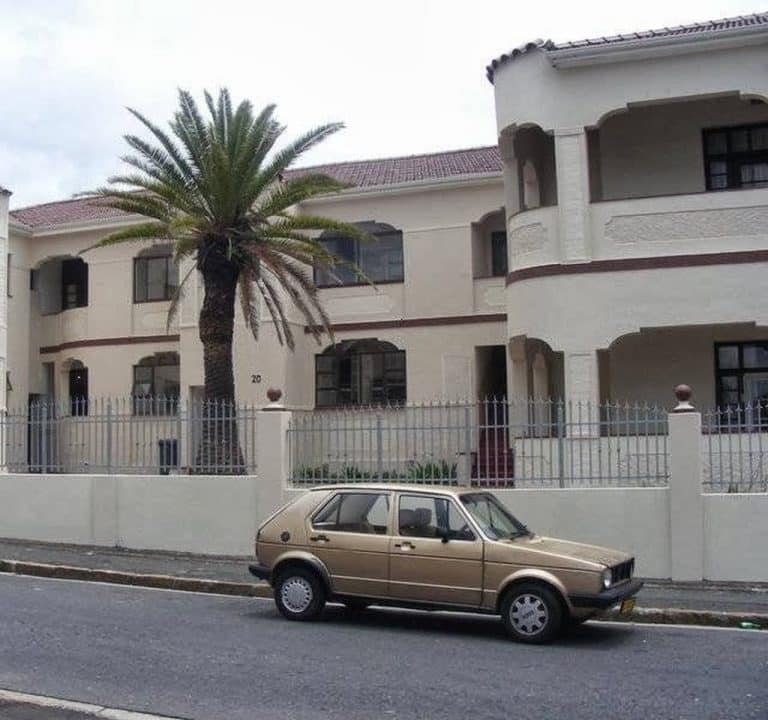
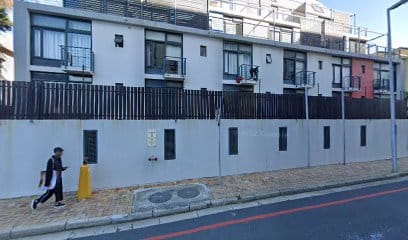
Cape Town blends dramatic scenery, diverse neighbourhoods and a hospitality scene that covers everything from modern serviced apartments to boutique guesthouses. When planning a stay, consider the kind of experience you want, as each neighbourhood offers a distinct flavour and range of amenities. For example, a serviced accommodation like Kotzee Digs can provide the independence of self‑contained units with the convenience of on‑site facilities, making it a flexible base for exploring the region.
Areas to consider for your stay
City Centre and the V&A Waterfront: Great for first‑time visitors who want easy access to iconic sights, museums, eateries and sunset views. The area is well connected by public transport and offers a mix of modern serviced flats and traditional rooms. Look for properties with secure access, reliable housekeeping and 24‑hour reception if you value convenience.
Atlantic Seaboard and Camps Bay: This coastal belt is ideal if you crave sea breezes, dramatic sunsets and stylish dining. Accommodations here range from contemporary apartments to luxury villas. Balconies or terraces with sea views and proximity to the promenade are popular features, along with parking and dependable Wi‑Fi for travellers who work remotely or stream shows after a day on the coast.
Green Point and De Waterkant: A vibrant, well‑connected neighbourhood between the central city and the coast. It appeals to travellers seeking a lively dining scene, easy access to beaches and sporting venues, and a compact stay where many serviced options offer modern kitchens or kitchenette facilities.
Constantia and the Southern Suburbs: If you prefer a slower pace and leafy scenery, this area is renowned for wine estates, nature trails and larger properties. Many guesthouses and serviced flats here provide quiet corners, parking and balconies, ideal for couples or families seeking a restful retreat away from the bustle of the city centre.
Things to look for when booking
- Location relative to places you plan to visit and the ease of transport connections (MyCiTi buses, trains, rideshare or walking options).
- Type of accommodation and layout—studio vs separate bedrooms, kitchen facilities, washer/dryer, and whether daily servicing is included.
- Security and access – gated entrances, on‑site staff, secure parking and well‑lit surroundings.
- Amenities that matter to you—reliable Wi‑Fi, good air conditioning or heating, and a comfortable workspace if needed.
- Cancellation policies and flexibility, especially if your plans might change with weather or events.
Typical amenities in Cape Town stays
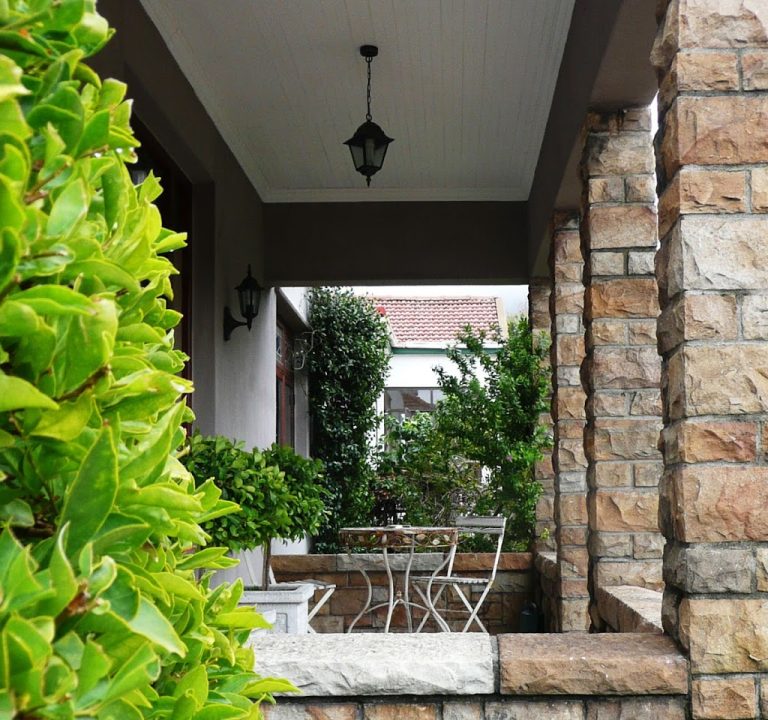
Many serviced accommodations in Cape Town provide a blend of self‑catering convenience and hotel‑style services. Expect well‑equipped kitchens or kitchenettes, comfortable living spaces, and practical touches like blackout curtains and quality bedding. Daily or periodic housekeeping, secure parking, on‑site laundry facilities, and 24‑hour security are common. For families or longer visits, units with separate bedrooms and accessible public areas can be particularly appealing.
Transport and getting around
The city is serviced by a network of taxis, rideshare options and a compact public transport system. Within central areas, walking is pleasant, and many attractions are within a short distance of the main stays. Booking platforms often provide clear guidance on proximity to popular sights, while some serviced properties may offer shuttle services or partnerships with local tour operators. If you plan to visit the Cape Peninsula, consider a day tour or a rental car for flexible exploration of Cape Point, the Cape of Good Hope and the surrounding beaches.
Best time to visit and practical planning
Cape Town enjoys a Mediterranean climate with dry summers and wet winters. The most pleasant months for outdoor activities are typically spring (September to November) and autumn (March to May), when the city is verdant, the winds are kinder, and there are fewer crowds at major attractions. Summer (December to February) brings longer days and lively coastal scenes, but it can be busy and pricier. Winter (June to August) is cooler and rainier, though many indoor attractions and restaurants remain excellent choices year‑round.
Practical tips for a smoother stay
- Book early for popular periods and consider shoulder seasons to balance price and availability.
- Check whether the property offers parking if you plan to rent a car, and confirm the type of security and access arrangements.
- Ask about housekeeping frequency, linen changes and the availability of extra towels or beach gear for coastal stays.
- Plan day trips with sensible travel times—some routes along the coast take longer than expected due to traffic or weather conditions.
- Respect local guidelines and safety advisories, particularly when visiting beaches or outdoor sites at peak times.
What to do and where to eat, in general terms
Cape Town offers a spectrum of experiences, from scenic hikes and coastal walks to museums, markets and cultural tours. Iconic tableland gullies and sweeping coves sit alongside vibrant market squares and diverse dining scenes. When planning meals, you’ll find a broad range of options—from casual cafés with coffee and light bites to more refined restaurants that celebrate regional produce. For day plans, combine time on the hills or by the sea with a stroll through street markets or harbour revues. While specific venues may change, the principle remains: pair nature‑driven days with relaxed evenings in approachable, well‑located settings.
For visitors seeking a reliable home base that aligns with a city‑wide exploration, serviced accommodations such as Kotzee Digs can offer convenient layouts, practical amenities and a central point from which to discover Cape Town’s varied attractions. To learn more about current offerings and locations, explore official tourism resources and property websites for the latest information and bookings.