Wolseley, Western Cape: Accommodation First, Then Adventure
Nestled in the Western Cape’s Breede River Valley, Wolseley offers a calm base with easy access to the surrounding countryside, farms, and mountain scenery. The town itself has a welcoming, small-town character, while the wider region rewards visitors with a blend of rural charm and practical convenience for travellers. When planning a stay, consider the character of each neighbourhood or surrounding dorp, the type of accommodation you prefer, and how you plan to move around the Valley and beyond.
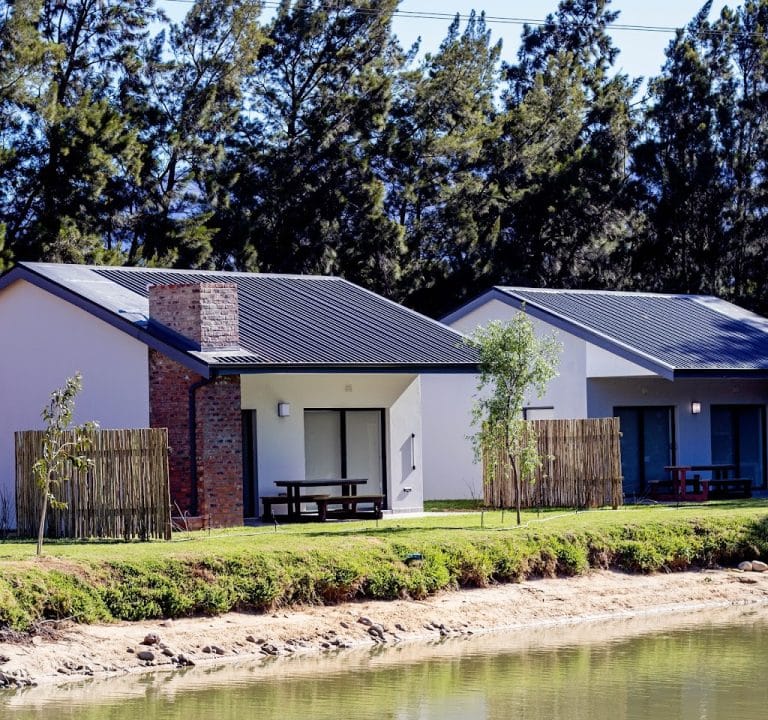
Accommodation options in and around Wolseley range from intimate guesthouses and B&Bs to self‑catering cottages on working farms and small lodges. Many properties prioritise a warm hospitality ethos, with hosts who can share practical tips on local eats, scenic drives, and day trips. Expect comfortable bedrooms, often with ensuite bathrooms, and common spaces that encourage a slow, relaxed pace after a day’s exploring. For longer stays or family trips, self‑catering units offer flexibility, with well‑equipped kitchens and outdoor spaces for al fresco meals.
When selecting where to stay, think about proximity to key routes and your planned activities. Wolseley is well placed for day trips to fruit- and wine‑growing regions, mountain viewpoints, and hiking trails. If you’re arriving by car, check on‑site parking arrangements and ease of access from the N1 or R46 routes. For those who prefer not to rely on a car every day, look for properties with easy taxi access or proximity to smaller town facilities and markets. Several guesthouses also provide information sheets or hosts who can arrange guided walks, transfers, or recommendations for nearby eateries.
Typical amenities across Wolseley‑area stays include private or shared garden spaces, outdoor seating amidst fruit orchards or vineyard country, free Wi‑Fi, and breakfast options that showcase regional ingredients. Some properties offer evening meals, either as a set menu or canapés with a wine pairing, which is a nice way to wind down while chatting with fellow travellers. Laundry facilities are a practical plus for longer visits, and many hosts can tailor recommendations to families, couples, or solo explorers.
For transport planning, a car is the most convenient option to explore the wider region at your own pace. Roads in the valley are generally well maintained, with gentle country lanes that pass orchards, farms, and low hills. If you plan to visit multiple towns or make scenic detours, do allow extra time for slower rural traffic or roadworks. For travellers relying on public transport, check the nearest taxi services or local shuttle options ahead of time, and confirm whether your chosen accommodation can arrange transfers to key points of interest or the nearest larger town for day trips.
Best time to visit Wolseley and its surroundings hinges on what you want from the trip. Spring brings blossoms and new growth, making it a good period for outdoor strolls and photography. Summer offers warm days ideal for longer countryside drives and outdoor dining under clear skies. Autumn brings mellow light and harvest flavours, often accompanied by quiet roads and comfortable temperatures. Winter can be cooler with occasional rain, but many farms and lodges provide cosy interiors where guests can unwind by a fire with local wines and home‑baked treats. Whichever season you choose, plan some flexible days to enjoy spontaneous farm stalls, markets, or a short drive to nearby attractions.
Eating out in the Wolseley area is about enjoying uncomplicated, well‑made fare and hospitality. You’ll find farm cafés, cosy diners, and light‑touch eateries that focus on fresh, local ingredients. If your accommodation offers a restaurant or dining option, it’s worth asking for recommendations on nearby spots to suit different moods—whether you’re seeking a quick lunch, a relaxed dinner after a day of exploration, or a place to try regional dishes with a wine‑bar atmosphere. Many property hosts will have favourites to share, including seasonal menus and hints on where to sample standard comforts like pies, hearty stews, or light, artisan plates.
Top activities to build into a Wolseley stay include scenic drives through valley scenery, short hikes on nearby trails, and visitor experiences that showcase the region’s agricultural heritage. Guests commonly enjoy exploring fruit farms during harvest seasons or visiting markets to pick up fresh produce and regional goods. For a more relaxed day, consider a ramble in the countryside or a drive to a nearby nature reserve for wildlife viewing and birdlife. If you’re keen on wine and rural scenery, a day trip into the surrounding wine or fruit‑growing belt can be a pleasant extension of your Wolseley visit.
To help you plan, here are practical tips for booking and staying in Wolseley:
- Check what is included with your stay—breakfast, parking, and access to common areas can greatly influence daily planning.
- Read recent guest reviews for notes on quiet hours, cleanliness, and host responsiveness.
- Ask about self‑catering facilities, laundry options, and any age‑related considerations for children.
- Confirm cancellation policies and whether there is flexibility for changes in travel plans.
- Inquire about transport options, local guidance, and organised activities or transfers offered by the property.
- Consider proximity to the N1 or R46 if you plan day trips to nearby towns or nature reserves.
- Pack versatile layers for variable Cape weather and comfortable walking shoes for countryside paths.
- Respect farm or vineyard boundaries and follow hosts’ guidelines for access to certain areas.
For inspiration and practical planning, you can explore regional tourism information online, including official destination pages and travel guides. These sources can help you map a realistic itinerary that blends Wolseley’s rural charm with easy access to neighbouring towns, scenic routes, and culinary highlights. A well‑chosen base in Wolseley sets the tone for relaxed mornings, leisurely afternoons, and memorable evenings in one of the Western Cape’s quieter, greener corners.