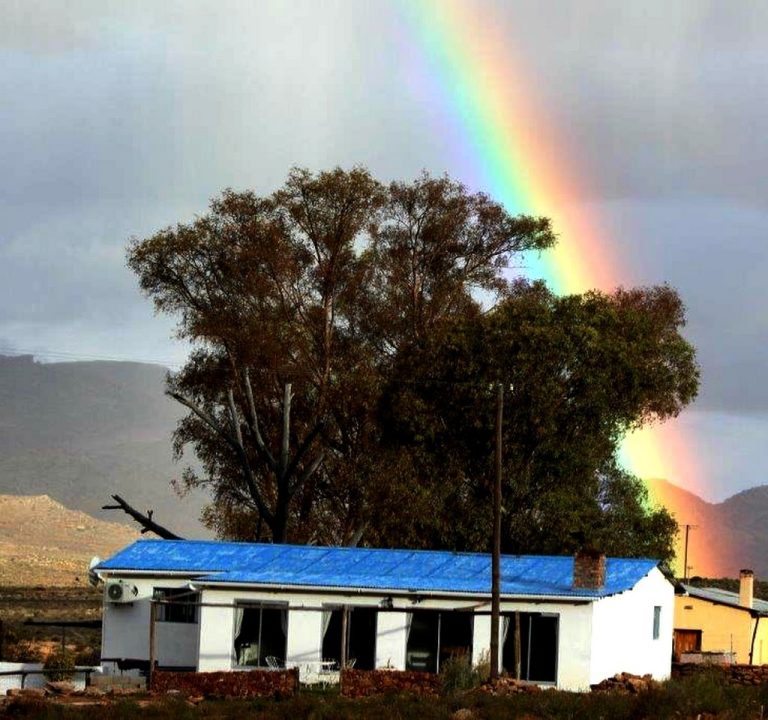
Springbok: Where to stay and what to do in the Northern Cape’s gateway to the Karoo
Springbok sits at the edge of the Namakwa region in the Northern Cape, a practical base for travellers exploring the vast semi-desert landscapes, rugged mountain passes and remarkable starlit skies. The town offers a range of guest houses, lodges and small hotels, many with warm hospitality, comfortable en-suite rooms and easy access to the surrounding natural scenery. For visitors seeking a home-away-from-home arrangement, a guest house such as Koperberg Guest House provides a convenient starting point, with nearby streets casting a calm, residential ambience that feels far from the more tourist-driven hubs.
When planning a stay, consider choosing a place that suits your itinerary. If your days will be spent exploring the countryside, you may favour accommodation with secure parking, spacious rooms, and predictable breakfast options to start early. If you anticipate long drives or off-road excursions, a comfortable base with good maps or local knowledge can save precious time. Some travellers prefer modern conveniences such as reliable Wi-Fi, a refreshing pool for late-afternoon cooling, and shaded outdoor spaces to unwind after a day under the Karoo sun. Many guest houses in Springbok also offer verandas or courtyards where you can soak up the quiet landscape with a cup of coffee or a sundowner as the light fades over the distant hills.
Areas to consider when booking include:
- Near the town centre for easy access to shops, cafés and the bustle of daily life.
- Outlying guest houses on higher ground or along quiet streets, offering more privacy and views of the surrounding landscapes.
- Properties with direct access to outback routes and nature trails for walkers and day trippers.
Typical amenities you may encounter include en-suite bathrooms, air conditioning or ceiling fans, heating for cool desert nights, ample wardrobe space, and sometimes a small kitchenette or tea/coffee making facilities. Many guests appreciate a hearty breakfast, which can set you up for long days out in the sun. Weekend markets or local eateries within walking distance can also be an enjoyable part of a stay, providing a taste of regional produce and casual dining experiences.
Getting around Springbok and the wider region is best planned with a car. The surrounding scenery rewards slow exploration, with winding passes, desert flora and wide horizons. If you arrive by air, you’ll likely collect a hire car at the nearest regional airport; from there, implement your route with a map or a reliable GPS. Public transport options are limited in this part of the Karoo, so most visitors find a vehicle essential for the flexibility to visit nature reserves, viewpoints and nearby towns at their own pace.
The best time to visit Springbok depends on what you want from your trip. Spring and autumn deliver mild days and cooler evenings, ideal for hiking, photography and outdoor meals. Winter nights can be crisp, but sunny days remain pleasant for excursions. In spring, the region bursts into colour with uncommon desert wildflowers in bloom along certain routes, making it a particularly magical period for nature lovers and photographers. Summer can be hot, with long daylight hours, so plan outdoor activities for the early morning or late afternoon and seek shade during peak heat. If wildflowers or birdlife is on your list, time your visit to coincide with local seasonal patterns and park openings, while always checking current conditions and access restrictions before setting out.
Attractions in and around Springbok tend to blend nature with cultural and historical elements. The area is a practical stop for those continuing to the nearby national parks, desert landscapes, and scenic passes. You’ll find interpretive trails, viewpoints that offer panoramic shots of the valley and the mountain ranges, and chances to learn about the region’s indigenous heritage and mining history through guided experiences or museum displays in town. Dining options are generally modest and casual, with cafés and bistros offering light meals, hearty local staples and coffee breaks between sightseeing. If you prefer a more curated dining plan, many accommodation providers can point you toward nearby eateries that match your taste for traditional Karoo fare or modern flavours.
Practical tips to help you plan a smooth stay:
- Book ahead, especially during peak seasons or when wildflower appearances draw visitors to the region.
- Check what is included in breakfast and whether meals can be arranged on site or nearby.
- Ask about parking, security, and evening access if you plan late returns from day trips.
- Inquire about recommended drives, hikes and safety considerations for out-of-town excursions.
- Pack layers for temperature swings between day and night, plus sun protection for daytime outdoor activities.
- Bring a camera or a charged device for recording the dramatic skies and stark landscapes characteristic of the Karoo.
- Respect local wildlife and preserve fragile habitats by sticking to designated paths and following guidance from hosts or guides.
For more information on where to stay, look for guest houses or small hotels that clearly outline room configurations, breakfast options and access to the town’s facilities. If you are drawn to a reliable introduction through a specific property, you might visit their official website to verify details, anticipate what to pack and establish a flexible itinerary. A well-chosen base in Springbok can help you balance restful evenings with expansive daytime exploration, giving you a genuine sense of the Northern Cape’s unique character.