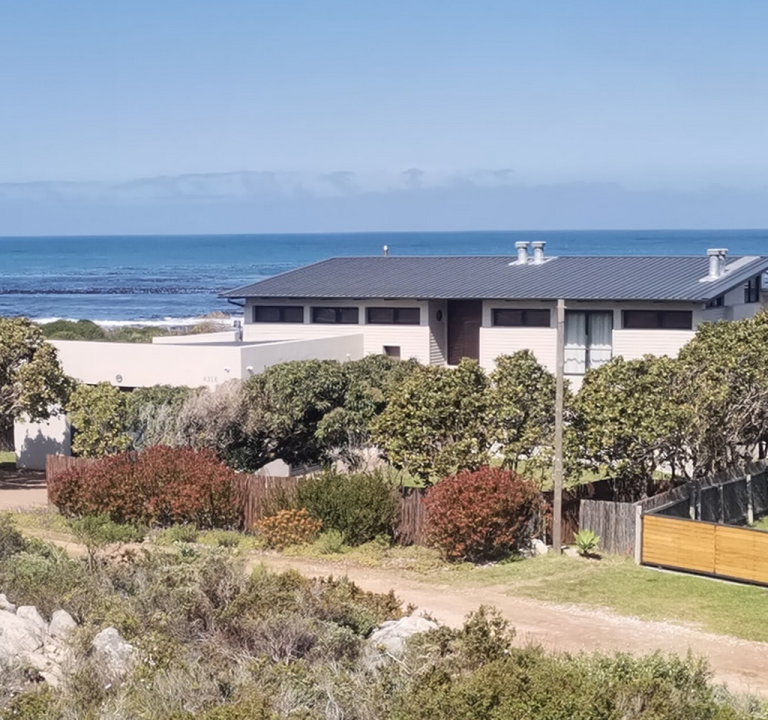
Betty's Bay: Accommodation, Attractions and Practical Planning for a Coastal Stay
Betty’s Bay, located on the scenic Cape West Coast between Kleinmond and Pringle Bay, offers a relaxed base from which to explore the Kogelberg Biosphere Reserve and the greater Overstrand region. With its seal colony along the coastline, gentle beaches, and access to indigenous fynbos, the village appeals to travellers seeking nature, sea air and a slower pace. Self-catering options, guesthouses and small lodges are common, often set within easy reach of the harbour, the nature reserves and the coast path that links the town to surrounding towns and viewpoints.
Accommodation in Betty’s Bay tends to favour practical, comfortable space for groups, families and couples who appreciate self-catering or guesthouse style stays. Look for properties that offer a clear, well-equipped kitchen or kitchenette, dependable heating or cooling, and reliable wi‑fi if you need to stay connected. Many options are oriented towards a tranquil seaside experience, with verandas or courtyards that invite outdoor living. Proximity to the strand and easy access to the forested trails are desirable, but consider road access and parking, particularly if you plan to explore other parts of the Overberg by car.
When choosing where to stay, consider the following areas and what they tend to offer. The coastline near the main beach is convenient for strolls at dawn or dusk, with opportunities to watch the seals at the colony and to enjoy sunrise views over the bay. A short drive inland can bring you to flatter trails and viewpoints within the Kogelberg Reserve, ideal for hiking on cooler mornings. If you value solitude, smaller guesthouses on the outskirts often provide generous gardens and patio spaces, while central lodges may offer a quicker walk to cafés and the bakery for morning snacks.
Typical amenities to look for include secure parking, clean communal spaces, and well-equipped kitchens or kitchenettes. A few properties may provide laundry facilities, which can be especially convenient for longer stays. If you’re travelling with children or pets, check the property’s policies and any local restrictions well in advance. Outdoor seating, braai (barbecue) areas and easy access to outdoor showers are common practical features that enhance a seaside stay in this region. Wi‑fi should be confirmed if you rely on online bookings or digital planning during your trip.
Transport in Betty’s Bay is straightforward for a village of its size. Self‑drive remains the most convenient way to explore the area at your own pace, with the scenic R44 and coastal roads offering easy access to nearby towns and nature reserves. Public transport options are limited, so many visitors choose to hire a vehicle for flexibility. If you are arriving by air, the closest international gateways are in Cape Town or George, with a drive of around an hour to two hours depending on traffic and weather. Local taxi services or ride‑hailing apps can provide occasional transfers, but it is best to arrange onward travel when you book your accommodation.
The best time to visit Betty’s Bay is tied to what you want to do. Spring and autumn bring milder temperatures and quieter trails, making outdoor activities comfortable for longer explorations. Winter can be cool and damp, yet the fynbos and coastal scenery still reward walkers and photographers, while summer brings longer days and sea breezes, ideal for beach walks and marine scenery. Do check the local sea conditions and weather forecasts, especially if you plan coastal walks or marine viewing experiences, as conditions can shift quickly along the coast.
When it comes to planning your itinerary, consider pairing nature activities with local dining and relaxed coastal experiences. The area behind Betty’s Bay is known for its biodiversity, with reserve trails and lookouts that reward patient walkers with sweeping bay views and glimpses of wildlife. In town, you’ll find friendly cafés and casual eateries that specialise in hearty breakfasts, light lunches and seafood dishes, offering a taste of the region without requiring long journeys to distant towns. Many visitors combine a stay here with day trips to nearby towns and coastal viewpoints along the False Bay coast, or with a scenic drive to wine‑growing areas a little further inland.
To help you plan, here are some practical tips:
- Book accommodation with clear kitchen provisions if you prefer self‑catering or longer stays.
- Check parking arrangements and access routes for your chosen property.
- Pack versatile clothing for sea breezes, including a light jacket for evenings.
- Bring sturdy footwear suitable for easy coastal strolls and forest trails.
- Consult local maps or a trusted guide about walking times and safe routes in nature reserves.
- Plan ahead for casual dining by identifying nearby cafés or bakeries, as options can be smaller than in larger towns.
For further inspiration and practical planning, you can explore regional tourism resources and guides online. These sources can help you with general information about Betty’s Bay, its surrounding nature reserves, and recommended routes for a first‑time visitor. A stay in Betty’s Bay suits travellers who value natural beauty, relaxed coastal living and the chance to experience a quieter side of the Western Cape’s coastline. More information about regional attractions and travel planning can be found at trusted tourism sites and official pages offering overviews of accommodation types, transport tips and itineraries that include Betty’s Bay and the Kogelberg area.