Johannesburg: Where to stay and what to do
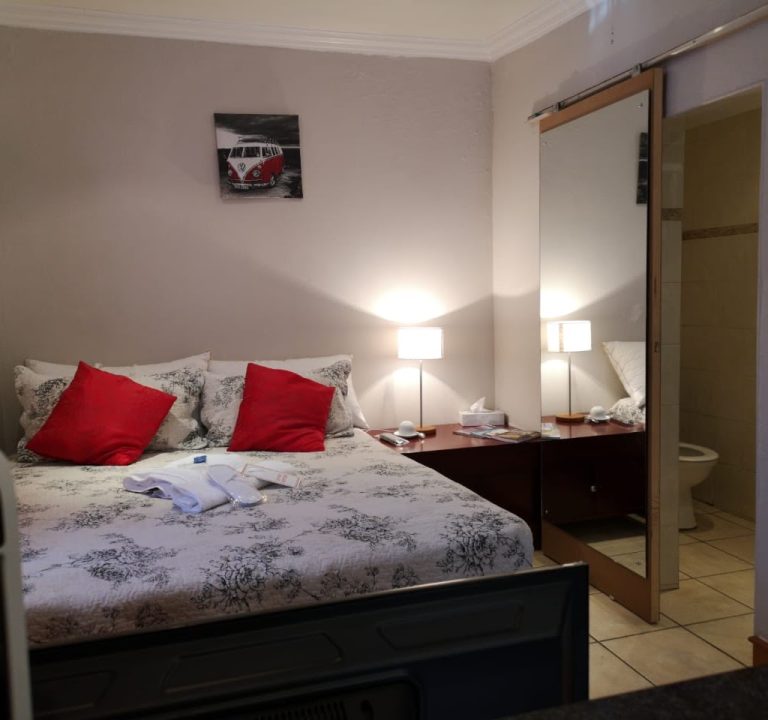
Johannesburg, commonly known as Jo’burg or Jozi, offers a dynamic mix of heritage, culture and modern city life. When planning a stay in Gauteng’s largest city, consider choosing a neighbourhood that suits your interests and pace. For a taste of inner-city creativity, look to areas with a residentised scene, galleries and cafés. If you prefer wide-open spaces and easier access to business districts, the northern suburbs provide a more relaxed vibe. Serviced accommodation such as Koffifi Bed & Breakfast can offer a home-from-home option with a personalised touch, balancing comfort with convenient locations.
Accommodation in Johannesburg comes in a range of styles, from boutique guesthouses and serviced apartments to larger hotels. Key considerations when booking include location relative to your planned activities, security, parking, and whether self-catering facilities are important. Many serviced options provide en-suite rooms, daily housekeeping, a kitchenette or kitchenettes, and common lounges or outdoor spaces. When researching, check for in-unit amenities such as air conditioning, reliable Wi‑Fi, secure access, and on-site parking. If you will be exploring at night, a property with good street appeal and secure transport links can ease the daily routine.
Neighbourhoods to consider include the central city fringe, where you’ll find converted warehouses, design studios and lively eateries; the northern suburbs with upmarket malls and business districts; and the inner-city districts that retain a sense of history while offering modern conveniences. Braamfontein, Maboneng Precinct, and Newtown provide a concentration of cultural venues and nightlife within walkable distances, while Sandton and Rosebank are well-connected by public transport and offer a broad choice of shopping and dining. For a cultural immersion, some visitors opt to stay near Soweto or the Cradle of Humankind area for longer day trips from the city centre.
When planning transport, Johannesburg's extensive network means you can rely on rideshare services, metered taxis, and car hire. Public transport options include the Gautrain station links to Pretoria and the economic hubs of Sandton, making it practical to stay outside the central business district if you are visiting for leisure. If you are staying in a serviced apartment or guesthouse, confirm parking arrangements in advance and ask about access routes, security features, and whether reception is available 24 hours a day.
Best time to visit Johannesburg depends on your priorities. The dry winter months (May to August) offer comfortable daytime temperatures and less humidity, though evenings can be cool. Summer (November to February) brings warmth and occasional thundery rain, which can be pleasant for outdoor markets and city walks, but plan for possible showers. Spring and autumn bring mild temperatures ideal for exploring parks and outdoor attractions. Pack layers, comfortable walking shoes, and a versatile bag for day trips.
Typical activities and experiences that visitors commonly plan around include a mix of cultural sights, markets and dining. In central and northern districts, it is easy to curate a day around galleries, street art, and historic sites, followed by a meal at a restaurant serving contemporary South African cuisine or international flavours. For families and curious travellers, guided neighbourhood walks or organised tours can provide context on the city’s history, urban renewal, and local life. When selecting a place to stay, consider whether your host or property offers insights on local experiences, such as food markets, craft stalls, and day trips to nearby attractions.
In addition to cultural and culinary options, Johannesburg offers a number of wide-ranging experiences. Outdoor enthusiasts can enjoy parks and green spaces, while shoppers often find a mix of modern shopping centres and market stalls appealing. For repeat visitors, a longer stay may enable a guest to visit nearby attractions such as nature reserves or cultural museums with ease, starting from a well-located base. It is worth noting that exact venues and event schedules vary seasonally, so a quick check closer to your travel dates can help you plan around any closures or new exhibits.
Practical tips to help you plan your stay:
- Choose a base with easy access to your planned daily activities, and verify parking or transport options.
- Look for properties with secure access, reliable Wi‑Fi, and self-catering facilities if you prefer flexible meal options.
- Check blackout dates for popular venues and consider buying tickets in advance where possible.
- Ask about in-house recommendations for eateries, markets and guided tours to enrich your visit.
- Pack for a range of weather and be prepared for urban walking routes during the day and cooler evenings.
If you would like a starting point for accommodation, you can explore options that emphasise comfort and a sense of locality, such as serviced accommodation that blends private space with shared amenities. For general planning and ideas on activities, official tourism resources and reputable travel guides offer updated details on neighbourhood highlights, dining trends and current events in Johannesburg. Websites focused on Gauteng tourism can be useful to compare areas, prices and availability ahead of a stay.
Website links to reputable sources can help you plan efficiently, including regional and city tourism pages. Whether you are seeking a quiet retreat with easy access to the city’s creative districts or a well-connected base for day trips, Johannesburg provides a range of options to suit different travellers. With careful planning, your stay can balance rest, exploration and a taste of the city’s vibrant energy.