Knysna in Focus: Where to stay, what to do, and how to plan your visit
Knysna, tucked between the Outeniqua Mountains and the Indian Ocean, offers a relaxed mix of waterborne leisure, forest walks, and a flavoursome culinary scene. For travellers seeking comfort with easy access to nature, the town provides a range of lodges, guest houses, and boutique hotels, many perched along the lagoon or set within verdant gardens. When planning a stay, consider the character of each neighbourhood, the pace you prefer, and the kind of access you want to the Knysna Heads, waterfront dining, forests, and local markets.
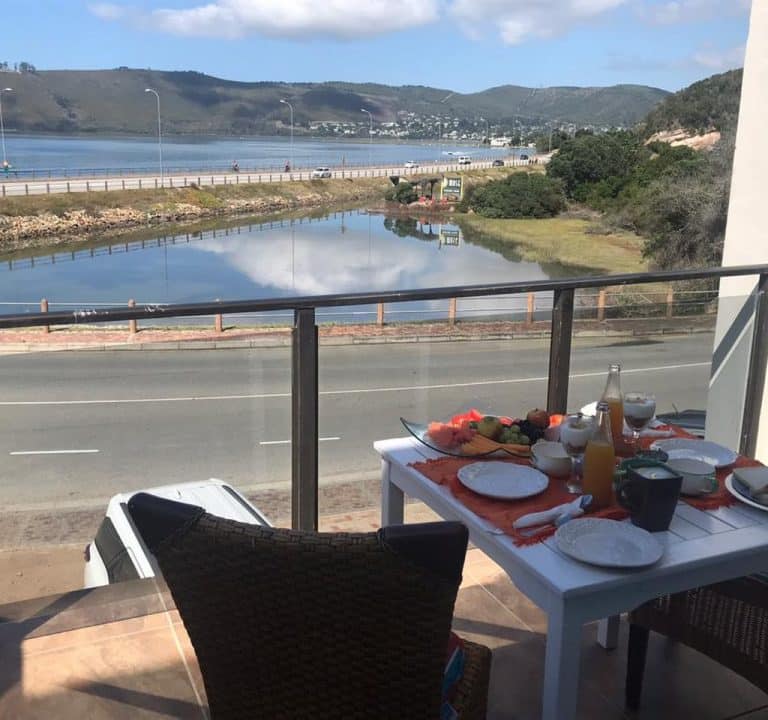
Accommodation options in Knysna span intimate guest houses, stylish boutique stays, and family-friendly lodges. A notable example is Knysna Quays, a guest house located near the bustling harbour area. Its position offers convenient access to waterfront strolls, eateries, and boat trips, making it a practical base for visitors who value proximity to activities without sacrificing comfort. Booking for such properties is best done with attention to room layout, on-site parking, and whether you’ll have views of the lagoon or garden surrounds. Looking for a home-from-home experience? A guest house with personalised service, a hearty breakfast, and friendly staff can transform a stay into a memorable trip.
Key areas to consider when selecting where to stay include the Knysna Waterfront, the centre around the town’s main street, and the eastern and western neighbourhoods closer to the forests and tidal estuaries. The Waterfront area tends to be lively, with easy access to boat trips, casual eateries, and souvenir shops. The central town is convenient for walking to markets, bakeries, and cafés, while the eastern and western fringes offer greener lanes, forest pathways, and quieter residential streets. If you prefer spectacular sea views and immediate access to nature trails, look for lodges or guest houses perched along the lagoon or near the forested slopes of the surrounding hills.
Typical amenities to expect include comfortable en-suite rooms, reliable housekeeping, and guest lounge spaces where travellers can mingle. Many properties offer secure parking, wifi, and continental or full breakfast options. Some lodges provide facilities such as outdoor pools, sun decks with lagoon vistas, and guided excursion assistance. If you’re travelling as a family or with friends, check for family rooms, interconnecting doors, or self-catering options. For solo travellers or couples seeking a romantic escape, a cosy room with a balcony or garden seating can be ideal for evening sundowners and early morning birdlife watching.
Transport in Knysna is mostly road-based. If you’re flying into the region, the closest major airports are typically a few hours away by road, with car hire offering the most flexible option for exploring the area, including the surrounding coast, lakes, and forest reserves. Local taxi services and rideshares can help you reach restaurants and viewpoints, but owning or renting a car makes day trips smoother, especially if you wish to visit nearby Plettenberg Bay, forests, or coastal heads at your own pace. For shorter stays, many guest houses arrange airport transfers or offer travel advice, which can be a welcome relief after a long journey.
Best time to visit Knysna depends on your priorities. The summer months bring warmer seas, lively markets, and longer daylight hours, ideal for lagoon paddling and boat trips. Winter tends to be cooler and wetter, yet it offers the thrill of forest walks shrouded in mist or sunlight filtering through towering trees. The shoulder seasons can deliver quieter streets, more comfortable temperatures for outdoor activities, and a slower, reflective pace. If your trip includes outdoor activities such as hiking, paragliding, or birdwatching, planning around the weather can maximise your time on the trails and the water.
Attractions and experiences tend to cluster around water, forests, and viewpoints. Boat trips along the Knysna Lagoon, visits to the Knysna Heads for dramatic sea views, and forest excursions in nearby reserves are popular ways to spend a day. The town also offers charming craft markets, farm-to-table dining concepts, and seafood-focused eateries that reflect the region’s maritime heritage. When planning meals, aim to reserve at least one restaurant with a lagoon vantage point or a garden setting, which can be especially enjoyable at sunset. For those seeking cultural resonance, look for local guides who can impart insights into Knysna’s timber industry history and the indigenous flora that thrives in the surrounding forests.
Practical tips to help you book and enjoy a seamless stay:
- Book accommodations that clearly describe the size of the room, bed configuration, and privacy features, especially if you value quiet nights or early starts.
- Check parking arrangements and proximity to the waterfront or town centre to minimise daily transit time.
- Ask about breakfast options, as a well-planned start can fuel longer days of exploration.
- Consider travel insurance that covers outdoor activities and weather-related delays, particularly if you plan forest hikes or boat trips.
- Pack layers suitable for cooler mornings and evenings, even in summer, and bring comfortable footwear for uneven paths and forest trails.
- Explore a mix of paid and free activities—markets, scenic viewpoints, and nature walks can offer rich experiences without a hefty price tag.
For more information on Knysna accommodation and current tourist resources, browsing the official site of Knysna Quays or regional tourism pages can help you tailor your itinerary to your travel style. Whether you crave waterfront charm, forest solitude, or a central hub from which to explore the Western Cape, Knysna welcomes visitors with a blend of natural beauty, relaxed hospitality, and a sense of maritime adventure.