Springbok: Accommodation, Planning and Essential Experiences in the Northern Cape
Springbok sits at the heart of the Northern Cape, a compact town gateway to vast desert landscapes, rugged mountains and the seasonal colours of Namaqualand. For visitors, the stay often combines a welcoming guesthouse atmosphere with easy access to nature and regional culture. When planning a visit, consider choosing a base that balances comfort with proximity to the areas you most want to explore, whether that is a short drive to nature reserves, a stroll to local eateries or a doorstep to the scenic routes that characterise the Kleinzee and Namaqualand hinterlands.
Accommodation options in and around Springbok range from characterful guest houses and small boutique lodges to practical guest rooms anchored in traditional towns. A well-sited guest house can offer the personal touch of a hosted stay, with commonly shared spaces, help organising local activities and a home-from-home breakfast that sets you up for long days of exploration. If you prefer a more private base, look for self-catering units or smaller lodges with self-contained facilities. Regardless of type, most guests will value a clean, comfortable room, dependable hot water, good ventilation, secure parking and helpful hosts who know the area well.
When choosing where to stay, consider these practical factors. Location matters: a central option can cut down driving time to shops, cafés and any planned excursions, while a more secluded property might offer better night skies and a tranquil mornings. Check what is included in the rate: is breakfast available on site or nearby, are kitchen facilities provided, and is there a guest lounge or outdoor area for evenings under the stars? Transportation convenience is another key point. If you are hiring a car, confirm parking arrangements and ease of access to main roads. If you rely on taxis or local shuttles, verify service availability and typical wait times in advance.
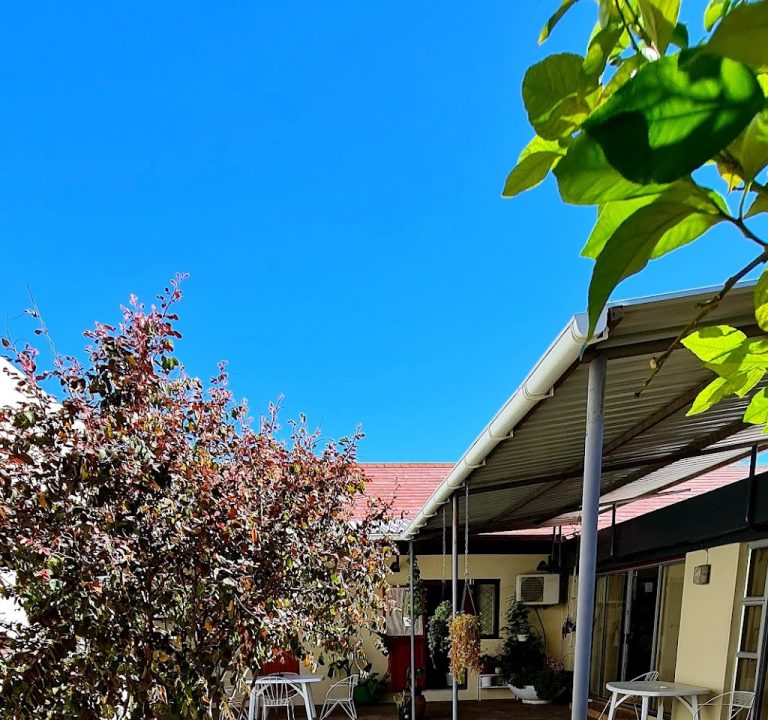
Typical amenities at Springbok properties often include ensuite or well-appointed bath/shower, adequate storage, reliable heating or cooling depending on the season, and Wi-Fi access. A guesthouse with a shaded outdoor area, a courtyard or a garden can be a welcome retreat after a day in the desert heat. Some properties offer on-site cooking facilities or communal kitchens, while others may provide a breakfast option, sometimes with locally produced ingredients. If you are visiting during cooler months, ask about heaters or extra blankets. During hot seasons, air-conditioning and proper ventilation can dramatically improve comfort levels.
The best time to visit Springbok aligns with your interests and tolerances for heat and dust. The winter months (June to August) are dry and pleasant in the mornings and evenings, with cooler days that are ideal for exploring the surrounding landscapes. Spring and autumn bring more temperate weather, with comfortable daytime temperatures and the possibility of colour-rich scenes in the surrounding arid flora. Late spring can coincide with the start of the region’s flowering season, which adds a dramatic dimension to outdoor activities. Always check local weather forecasts and plan for hot daytime hours with shaded breaks and ample hydration.
Attractions and activities in the area are influenced by the landscape and the culture of the Nama people. In broad terms, nature lovers can expect scenic drives, sunrise or sunset viewpoints, and opportunities to observe desert-adapted wildlife and unique flora. Practical options include guided walks or dirt-road excursions that showcase the stark beauty of the region, as well as visits to small museums or cultural centres that illuminate the area's history and character. Visitors seeking more structured experiences will find tour operators that offer day trips to nearby nature reserves, waterholes or viewpoints, with itineraries designed to pace a traveller’s day comfortably and safely.
When it comes to dining, Springbok’s dining scene centres on informal cafés and family-run eateries where guests can sample hearty, uncomplicated meals. Expect menus that focus on regional ingredients and generous portions, with options to suit travellers seeking robust flavours and comforting classics after a day outdoors. If you prefer to explore the area at your own pace, many guest houses and lodges provide recommendations for nearby eateries and markets, plus tips on the best times to visit for a relaxed meal and a pleasant environment.
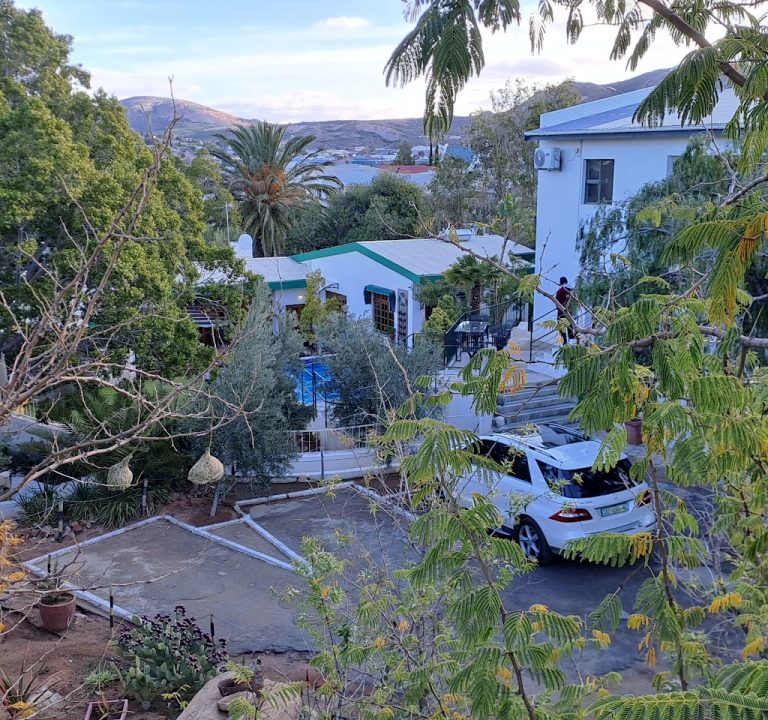
To plan a stay effectively, consider making a short list of priorities: a comfortable sleep, a convenient base for planned activities, a trusted host or management team to offer local insight, and a reasonable price for the level of comfort offered. If you are curious about a particular property, you can visit its official website to survey photos, floor plans, and amenity details. For instance, Kleinplasie offers a dedicated online presence that can help future guests gauge what a stay in this guest house feels like, what facilities are available, and how it fits into your overall itinerary. Visit https://www.kleinplasie.com/ to learn more about this option and to compare it with other Springbok accommodations.
Practical tips for a smooth visit:
- Pack for varied conditions: warm mornings and evenings, potentially hot days, and dusty outdoor environments.
- Book in advance during peak flowering periods and school holidays to secure preferred room types and locations.
- Request local knowledge from hosts about the best times and routes for outdoor activities, as some routes may be best avoided during adverse weather.
- Carry a lightweight, reusable water bottle and sun protection for day trips.
- Local etiquette emphasises courtesy and open conversation; be prepared to engage in discussions about the region’s heritage and conservation efforts.
Springbok is a compact base for experiencing the Northern Cape’s stark beauty and warm hospitality. Whether you stay in a cosy guest house, a self-contained suite, or a small lodge, the key is to choose a place that aligns with your travel rhythm, offers reliable comfort, and connects you with the rhythms of the local landscape. With thoughtful planning, you can enjoy both restful downtime and invigorating day trips that reveal the unique arid splendour of this part of South Africa.