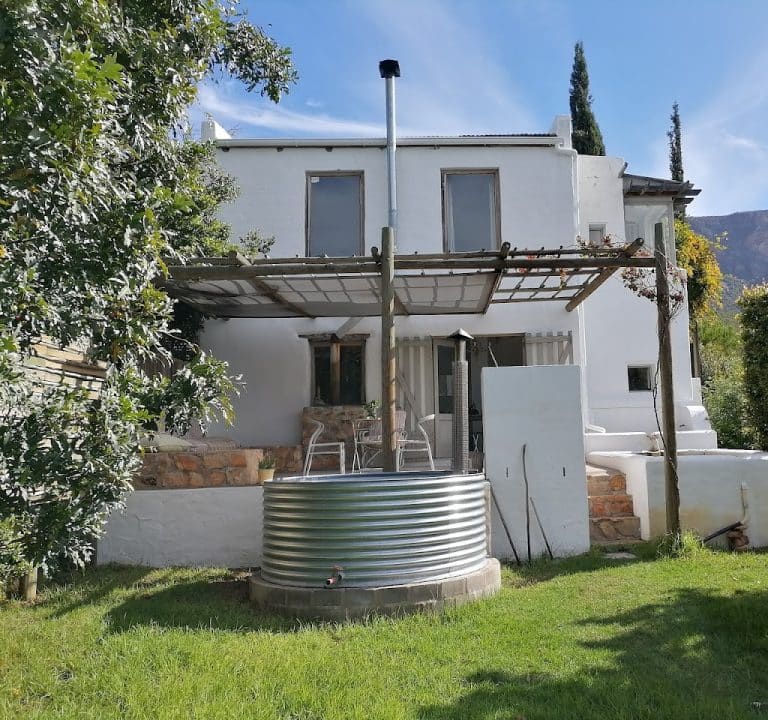
Kleinkloof Farm is a Farmstay establishment in Cape Town, Western Cape, South Africa
Kleinkloof Farm: A tranquil rural retreat in the Western Cape
Set within the broader landscape of the Cape Town region, Kleinkloof Farm offers a retreat from the bustle of city life while remaining within reach of Western Cape highlights. Described through the lens of a countryside escape, the property presents a quiet base for travellers seeking space, fresh air, and a close-to-nature experience. The site itself acts as a gateway to the region’s diverse landscapes, inviting guests to slow down and enjoy a slower tempo in a rural setting.
As an accommodation option, Kleinkloof Farm is presented as a place where visitors can unwind amidst farm surroundings. In line with a countryside ambience, the experience focuses on the peacefulness of the surroundings and the opportunity to observe or participate in farmlife at a gentle pace. Details about specific room configurations, interior design, or on-site facilities are not laid out in this overview, and prospective guests are encouraged to consult the official website for the most current information regarding what is offered, including any available accommodation styles, amenities, or policies.
For travellers seeking an authentic rural stay, Kleinkloof Farm sits within a context that emphasises natural surroundings and a slower pace. The framing suggests a setting suitable for guests who value landscape, quiet mornings, and the possibility of easy access to outdoor experiences typical of the Western Cape’s countryside. While individual features such as room types, private facilities, or communal areas are not specified here, the impression is that the property is designed to provide a peaceful, restorative environment rather than an urban-style hotel experience.
The accommodation approach appears to prioritise a connection to the local environment. Visitors are likely to appreciate the chance to observe rural scenery and enjoy time outdoors, potentially including activities commonly associated with farm stays or country breaks. Because exact details regarding on-site amenities are not explicitly stated in this overview, guests should refer to the official Kleinkloof Farm website for a complete rundown of what is available—whether that concerns dining options, self-catering arrangements, or any shared facilities. Site-specific policies, including check-in procedures, accessibility, and pet allowances, are equally best confirmed directly through the official channel.
Who might benefit most from a stay at Kleinkloof Farm? The setting lends itself to travellers seeking a quiet countryside experience rather than a high-energy urban break. It may appeal to couples looking for a romantic, tranquil retreat, families seeking space and outdoor time, or individuals craving a rural escape that offers a different perspective on the Western Cape beyond city life. With a focus on a pastoral atmosphere, the property is likely to attract visitors who prioritise natural surroundings, relaxation, and an uncomplicated lodging experience in a scenic part of South Africa.
When planning a visit, it is helpful to consider the practicalities of a rural stay. Access routes, travel times, and seasonal conditions can influence experiences in the area, and details about the best times to visit, how to reach the property, and any local guidelines are best confirmed via the official Kleinkloof Farm web presence. Since explicit guidance on transportation, parking, or public transport links is not provided in this overview, practical planning should be guided by the information published on the website and any accompanying traveller resources linked there, such as maps or itineraries for nearby countryside excursions.
Nearby highlights and day-trip opportunities in the Western Cape offer a broad palette of nature, wine country, and scenic landscapes. While specific attractions and routes are not itemised here, the region is known for its outdoor spaces and picturesque settings, all of which can complement a rural stay at a place like Kleinkloof Farm. For visitors keen to build a personalised itinerary, the best approach is to start with the official site’s overview and then explore additional locally sourced guidance to tailor activities to individual interests and the time available.
Booking and travel tips: prospective guests should consult the official Kleinkloof Farm website (www.kleinkloof.com) for definitive information on availability, pricing, room types, and on-site facilities. The site can also provide booking procedures, any seasonal promotions, and policy details, ensuring that plans align with personal needs and preferences. Given the rural setting, planning ahead for accommodation capacity, access, and any required travel arrangements is prudent. For those wishing to evaluate the experience before booking, reviewing the latest traveller feedback and official descriptions will help set expectations in line with what Kleinkloof Farm aims to offer.
Website: Kleinkloof Farm – official site
Cape Town
Western Cape
7550
South Africa

Capetown Accommodation and Getting the Most from Your Stay
Few places in the world offer the dramatic combination of city life and natural scenery like Cape Town. Whether you arrive for beaches, mountains, or a vibrant culinary scene, choosing the right type of accommodation makes all the difference. From boutique guesthouses in leafy neighbourhoods to farmstays tucked into the Winelands, there are options to suit every budget and style. When planning a stay, it helps to think about what you want to do and how you like to move around, then select a base that minimises travel time while maximising convenience.
Neighbourhoods matter as much as the accommodation itself. The V&A Waterfront area puts you close to museums, harbour views, and a range of eateries and shops, with easy access to ferries and guided tours. Camps Bay and Clifton offer Mediterranean-meets-Atlantic vibes with stylish beachfront stays and sunset views, though prices can be higher during peak season. The City Bowl provides a central hub for exploring historic districts, markets and art galleries, while areas like Green Point, Tamboerskloof and Woodlands offer quieter streets, handy transport links and plenty of character in boutique stays or guesthouses.
Farm stays near Cape Town bring a different flavour to the visit. If you are seeking a slower pace and rustic charm without losing access to city sights, a farmstay can be ideal. Places such as Kleinkloof Farm combine countryside tranquillity with proximity to the Atlantic seaboard and the Constantia Valley, where wine estates and scenic trails are within easy reach. Farm stays often emphasise space, outdoor activities, and a connection to the land, which can be a refreshing contrast to urban sightseeing. For more information, see the property's official site at https://www.kleinkloof.com/.
When booking, look for common but important amenities that improve comfort and convenience. en-suite bathrooms, reliable Wi‑Fi, secure parking, a compact kitchenette or self-catering facilities, and flexible check-in options are particularly helpful in Cape Town’s varied itineraries. Some travellers also value a room with a view—whether it’s Table Mountain, the harbour, or City Bowl lights. A good breakfast can save time and set you up for full days exploring the peninsula. If you plan long day trips or weekend getaways, consider properties that offer late check-out or a cosy lounge area with a fireplace or comfortable seating to unwind after a day on the go.
Transport is a central planning element. Public transport in Cape Town is useful for certain routes, but many visitors prefer a rental car or a trusted driver for flexibility, especially when visiting areas outside the city centre, such as Hout Bay, the Constantia wine route, or Cape Point. If you’ll rely on rideshares, choose an accommodation near major routes or within walkable distances to safe pick-up points. Some guesthouses and boutique hotels offer shuttle services to popular sights, which can simplify logistics and improve your overall experience.
Best time to visit Cape Town blends weather, crowds, and what you want to do. Spring and autumn (September–November and February–April) offer mild temperatures and fewer crowds, making it ideal for hill climbs, coastal walks, and outdoor markets. Summer (December–February) brings long days and beach-friendly conditions, but also higher demand and peak prices. Winter (June–August) is cooler and wetter, yet the city’s vibrancy continues, and there are fewer tourists. Whichever season you choose, it is wise to book well in advance for popular stays and to secure recommendations for offbeat experiences that suit your pace.
Accommodation types vary widely, and each offers its own advantages. Boutique guesthouses characteristically feature personalised service, cosy common areas, and locally inspired design. Farmstays excel in space, fresh air, and opportunities to meet resident animals or participate in seasonal farm activities. Self-catering apartments are convenient for families or groups seeking more autonomy, while mid-range hotels in the city provide reliable amenities and a central base for daytime adventures and nightlife alike.
On a practical note, plan a balanced itinerary. Mix scenic viewpoints, cultural discoveries, and restful breaks. Iconic sights around Cape Town include the dramatic coastal drives and accessible mountain trails, botanical gardens, and maritime heritage places. Dining in Cape Town spans casual cafes to fine dining, with a strong emphasis on fresh seafood, locally grown produce, and South African fusion cuisine. When planning meals, consider researching markets and street-food hubs for affordable, tasty options, alongside restaurant recommendations in your chosen neighbourhoods. Always check the latest local guidance about opening hours and reservations, particularly during peak seasons or holidays.
A sample plan might feature a stay in a central quarter with easy access to major sights, followed by a few nights at a farmstay or coastal village to unwind and recharge. If you opt for a farmstay like Kleinkloof Farm, you can enjoy spacious grounds and a country ambience while staying within reach of Cape Town’s city experiences. Booking a stay with flexible cancellation policies and clear house rules helps ensure a relaxed visit, even in changeable weather.
- Consider proximity to transport links and major sights when choosing a base.
- Check for en-suite rooms, reliable Wi‑Fi, and parking availability.
- Look for flexible check-in/out times and clear guidance on access to facilities.
- Balance days with a mix of outdoor activities, culture, and relaxing breaks.
- Consult guest reviews for real-world insights on hospitality and neighbourhood character.
Cape Town is a destination that rewards thoughtful planning: a well chosen stay, paired with a sensible mix of experiences, can transform a visit into a memorable adventure. Whether you opt for a stylish city base, a serene farmstay, or a stylish guesthouse tucked in a hillside neighbourhood, you’ll find that the Rainbow Nation’s Mother City offers warmth, scenery, and a roadmap to remarkable discoveries. For more information on farmstay options near the city, including Kleinkloof Farm, you can explore their official site at https://www.kleinkloof.com/.
Sorry, no records were found. Please adjust your search criteria and try again.
Sorry, unable to load the Maps API.
Why Claim Your Listing?
Claiming your listing on the B&B Finder directory website is a valuable opportunity for business owners. Here are five reasons why you should consider claiming your listings:
Control Over Business Information: By claiming their listing, business owners can ensure that all the information presented is accurate and up-to-date. This includes details such as contact information, address, pricing, and available services or amenities. Accurate information helps prevent customer confusion and improves overall satisfaction.
Enhance the Listing: Once a listing is claimed, owners can enhance it by adding more comprehensive information and rich media, like high-quality photos and videos. These additions can make the listing more attractive and engaging to potential customers, thereby increasing the likelihood of bookings.
Marketing Opportunities: Claiming a listing can also open up additional marketing opportunities. Owners may be able to participate in promotional campaigns, special offers, and other marketing activities organized by the directory. This can increase visibility and attract more customers to the business.