Accommodation, attractions and practical tips for a stay in Stellenbosch, Western Cape
Stellenbosch offers a compact yet captivating mix of historic charm, university vibes, and world‑class wine country scenery. Whether you are seeking a cosy guesthouse, a boutique hotel, or a spacious self‑catering option, the town serves as a convenient hub for exploring the Cape Winelands, the surrounding mountains, and nearby coastlines. When planning a stay, consider the area you’d like to base yourself in, the style of accommodation you prefer, and the pace you want for your visit.
Areas to consider when choosing where to stay include the historic centre of Stellenbosch, which is easy to explore on foot and close to many shops, cafés and wine estates. If you want a more tranquil, leafy setting, look for guesthouses and small hotels a short drive from the town centre. For visitors prioritising vineyards and wine tastings, rural lodges or boutique hotels along the wine route offer scenic views and convenient access to cellar doors. The town of Stellenbosch is well connected to surrounding towns such as Franschhoek and Paarl via pleasant driving routes, while smaller villages nearby provide a slower pace and more rural scenery.
When booking, ask about three essentials: location relative to your planned activities, cancellation policies, and the level of staff assistance available for restaurant reservations or tours. Look for hosts or reception teams that can help you navigate peak seasons, arrange tastings, or recommend less-visited routes. If you are travelling with family or a group, check bed configurations, parking availability, and whether the property offers features like a sociable lounge, outdoor spaces, or self‑catering facilities.
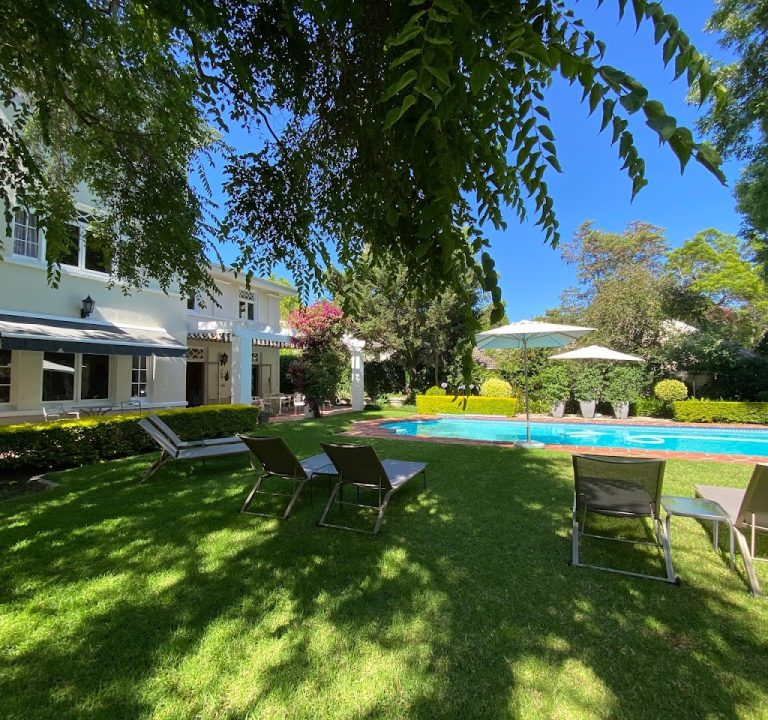
Typical amenities you might encounter include comfortable en-suite or private bathrooms, a delicious breakfast option, and guest spaces such as shared lounges or gardens. Some properties offer additional touches such as complimentary Wi‑Fi, secure parking, scenic verandahs, or easy access to bicycles for exploring the town and surrounding wine routes. In Stellenbosch, many places aim to provide a warm, personal welcome, with hosts ready to share local knowledge and tips for day trips.
Transport is an important consideration. If you plan to visit multiple estates along the winelands, you may prefer a centrally located base with parking or access to helpful transport options. Car rental is common in the region, and rideshare services are often available, but a short walkable stroll to eateries and shops can enhance your stay. If you prefer to travel by bicycle, some properties offer safe storage and proximity to quiet back roads that wind through vineyards. Be mindful of distance to your planned activities and plan your day to avoid the late-afternoon heat in summer or early morning winds in certain seasons.
Best time to visit Stellenbosch depends on what you seek. Spring (September to November) brings fresh greenery and moderate weather, ideal for outdoor dining and vineyard visits before the peak season. Summer (December to February) offers long days and lively town life, though it can be busier near schools and during harvest periods. Autumn (March to May) provides mild temperatures and harvest‑time atmosphere, while winter (June to August) cools down, with fewer crowds and pleasant daylight for museum visits and wine tastings indoors. If you are a wine lover, consider aligning your stay with a few estate tours or tasting experiences that benefit from less crowded periods, while still enjoying good weather for outdoor strolls.
Practical tips for a smooth stay include booking ahead during peak periods and checking whether the property provides breakfast or a kitchen for self‑catering. A classic option in the region is boutique guest accommodation that blends character with modern comforts. For example, a charming guest house such as Kleine Herberg Guest House can illustrate the kind of intimate, well‑located stay that pairs well with day trips into the surrounding winelands or a few hours in the town centre. While planning, look for properties that communicate clearly about check‑in times, local guidance, and any special arrangements for dietary needs or accessibility.
In terms of attractions and dining, Stellenbosch offers a range of generally described experiences. You can expect to discover historic streets, attractive museums and galleries, and a handful of well‑regarded restaurants that showcase regional produce and Cape flavours. Across the winelands, most estates offer guided tastings, cellar tours, or seasonal fine dining experiences; many are happy to tailor visits to guests who wish to combine a light lunch, a stroll through gardens, and a scenic drive back to Stellenbosch. Within town, you’ll find cafes and eateries that pair easy continental dishes with local twists, alongside markets or cultural events at certain times of the year. Always check current opening times and any booking requirements, since seasonal demand and private functions may affect availability.
For more information, standard travel planning resources and official tourism sites can help you map out a practical itinerary. When in doubt, contact your accommodation host or a local visitor information point for up‑to‑date suggestions on day trips, wine tastings, and casual dining options that align with your interests and budget. With careful planning and the right base, Stellenbosch becomes a welcoming gateway to the Western Cape’s winelands, mountains, and coastal scenery.
- Choose a base in or near Stellenbosch town for easy access to shops and dining
- Consider proximity to the winelands if you plan extensive tastings
- Check parking, breakfast options, and whether a self‑catering space is useful
- Plan for seasonal weather and popular visiting times