Accommodation and Experiences in Lenasia, Gauteng: A Practical Guide for Visitors
Situated to the south-west of central Johannesburg, Lenasia offers a quiet, residential base with easy access to the wider Gauteng region. The suburb’s mix of lodges, guesthouses and self‑catering units makes it appealing for travellers seeking a comfortable stay without the bustle of inner-city hotels. When planning a visit, think about your priorities—proximity to major routes, a peaceful neighbourhood feel, or a spot that feels authentically local—and use these to guide your choice of accommodation.
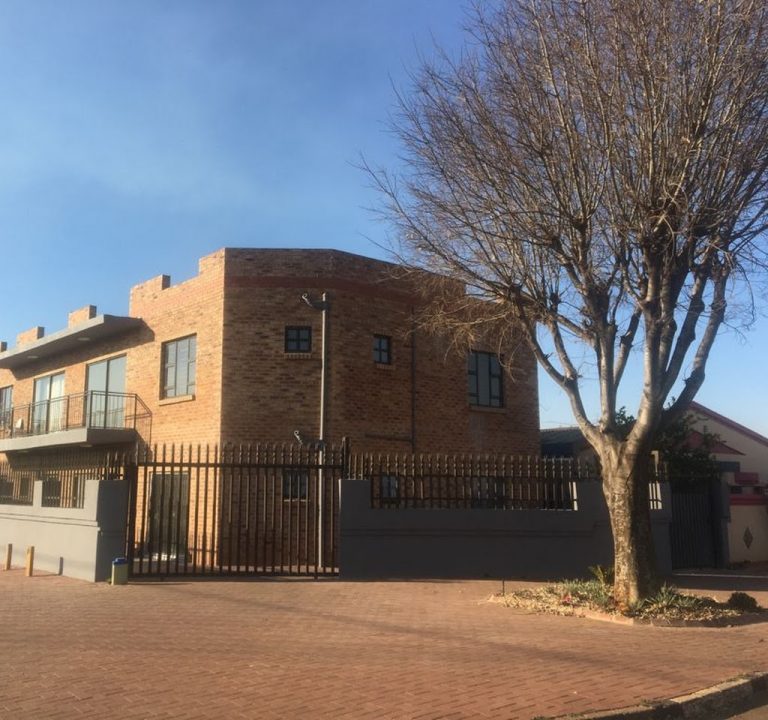
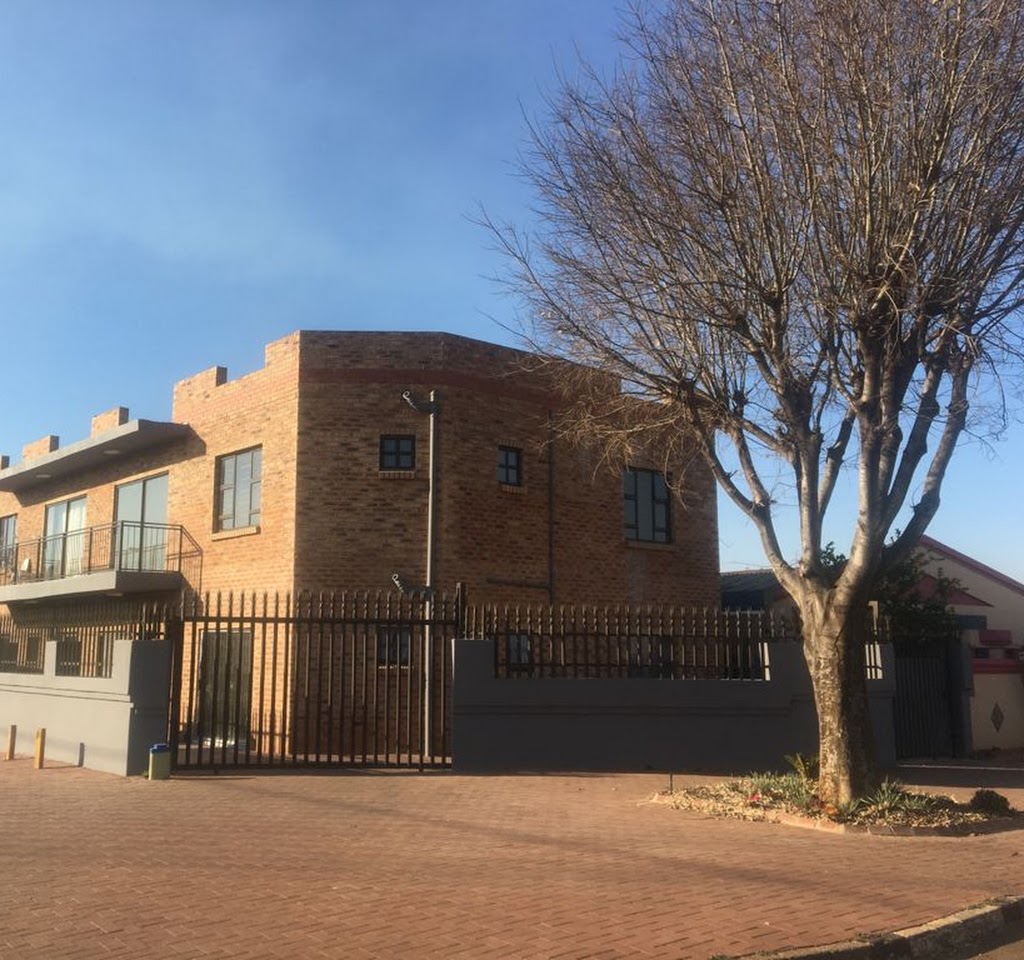
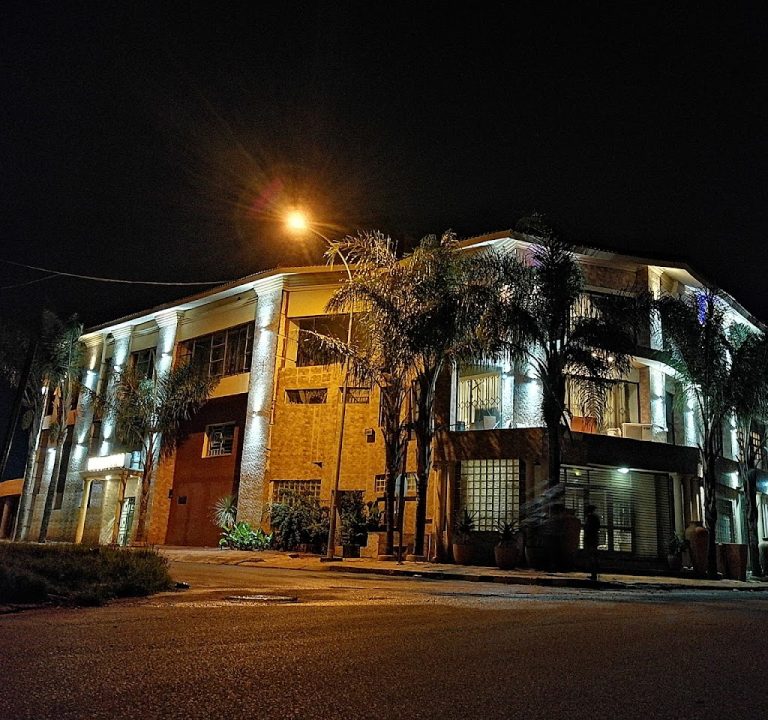
King Guest Lodge is one example of the lodge sector within Lenasia, offering a compact and convenient option for travellers who value a straightforward, comfortable stay. While it sits within a global hotel category, the local character of the area often translates to friendly service, a relaxed atmosphere and easy access to nearby amenities. When researching similar properties, look for clearly presented information about room types, on‑site facilities, and guest reviews that mention clean spaces, reliable housekeeping, and quiet hours—the basics that make a stay comfortable after long day trips around Gauteng.
Accommodation in Lenasia ranges from modest guesthouses and self‑catering units to more expansive lodges. Each option has its own strengths, but common factors to weigh include location relative to your planned day trips, on‑site or nearby dining options, parking availability, and security features. If you are travelling by car, a secure parking space or easy street parking is worth confirming. For solo travellers or those on a shorter layover, a compact room with a private bathroom, reliable Wi‑Fi and a convenient access point to major roads may be the priority. For families or groups, consider multi‑bedroom units or lodges that offer communal living spaces and self‑catering facilities to keep daily costs predictable.
Areas within or close to Lenasia that travellers often consider include those with a residential, safe‑feeling ambience, straightforward road access to Johannesburg’s northern and eastern corridors, and proximity to commercial hubs for basic groceries and casual dining. When selecting a base, think about how long you expect to spend in transit each day; a location with quick routes to the N1, M1 or other arterial roads will save time if you plan to explore beyond Lenasia. It’s also sensible to check how well your chosen stay connects to ride‑hailing or taxi services, should you prefer not to drive after evenings out.
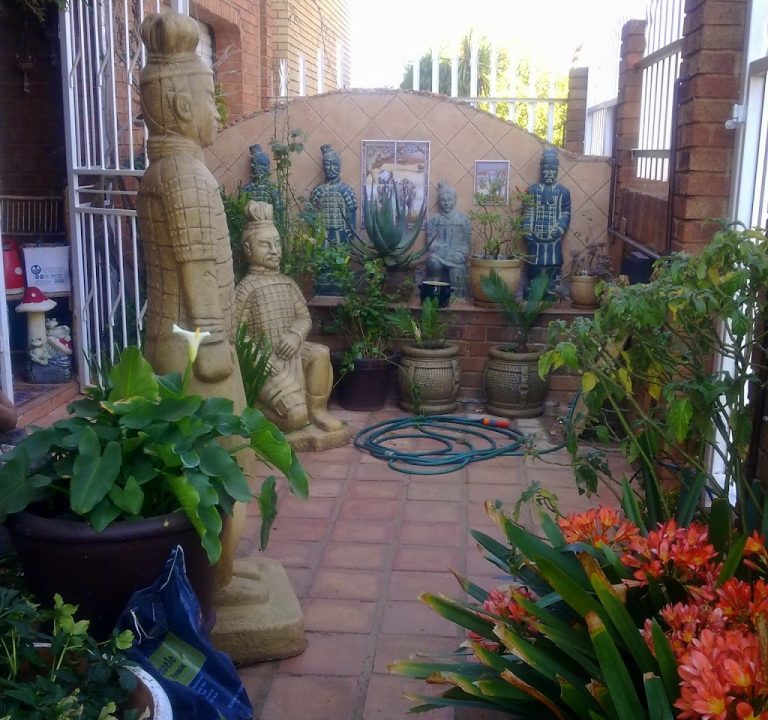
Typical amenities you might encounter include en‑suite bathrooms, air‑conditioning or fans for warm Gauteng days, dependable hot water, in‑room tea and coffee facilities, and adequate luggage storage. A number of properties offer communal lounges, outdoor seating areas, or gardens where guests can unwind. If you anticipate needing a kitchen for self‑catering, ensure the listing specifies a well‑equipped kitchen, a dining area, and clear information about access times. Bath towels, basic toiletries and daily housekeeping are common expectations; if you require extras like a pool, gym access, or conference facilities, verify these in advance.
Practical planning tips for a successful stay in Lenasia:
- Book in advance during peak travel periods and public holidays when rooms can be scarce in smaller communities.
- Read recent guest reviews to gauge cleanliness, responsiveness of hosts, and any neighbourhood considerations for night‑time noise or security.
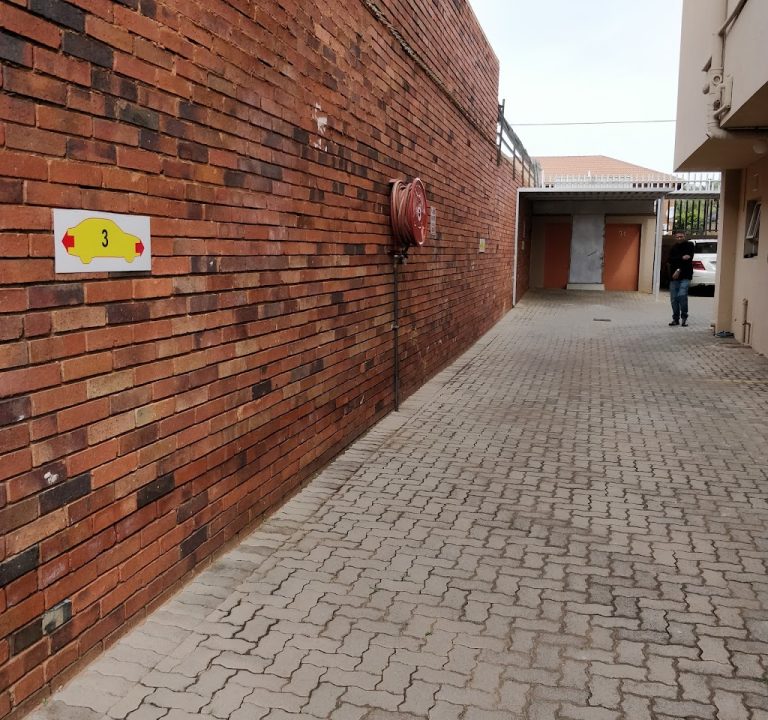
- Confirm parking arrangements and any access limitations for late arrivals.
- Ask about security features in the area, such as gated entrances, perimeter fencing, and well‑lit streets nearby.
- Check for nearby dining options and grocery stores to simplify meal planning during your stay.
Transport in and around Lenasia is mainly car‑based, with ridesharing and taxis as common alternatives. If you are relying on public transport, plan with care since Gauteng’s railway and bus networks may require longer walks or transfers. Having a rough itinerary helps: identify which attractions you want to see in the wider Johannesburg area and pair them with lodging that minimizes backtracking. An example plan could include day trips to suburbs with more extensive shopping, cultural venues or natural parks, while returning to a calm base in Lenasia for evenings.
The best time to visit Gauteng is generally the drier, milder months in the autumn and winter, from May to August, when outdoor activities are more comfortable and the days remain pleasant. Summer can bring warmer days with late-afternoon thunderstorms; this can be ideal for indoor cultural experiences or a relaxed day at a shopping centre with air‑conditioning. Regardless of season, packing layers, sun protection and a light rain jacket is sensible in Gauteng’s climate, which can shift quickly.
When it comes to attractions and experiences, keep plans flexible. In Lenasia you’ll find everyday local markets, community events and casual dining scenes that offer a window into daily life in this part of Gauteng. For broader exploration, the region’s proximity to Johannesburg means you can easily access museums, galleries, wildlife reserves and bigger shopping and dining districts within a short drive. For more information about the wider Gauteng region, consult official tourism resources such as Gauteng’s regional pages, which provide practical tips and inspiration for planning a well‑rounded itinerary. Visithttps://www.gauteng.net for general planning guidance and ideas to complement a stay in Lenasia.