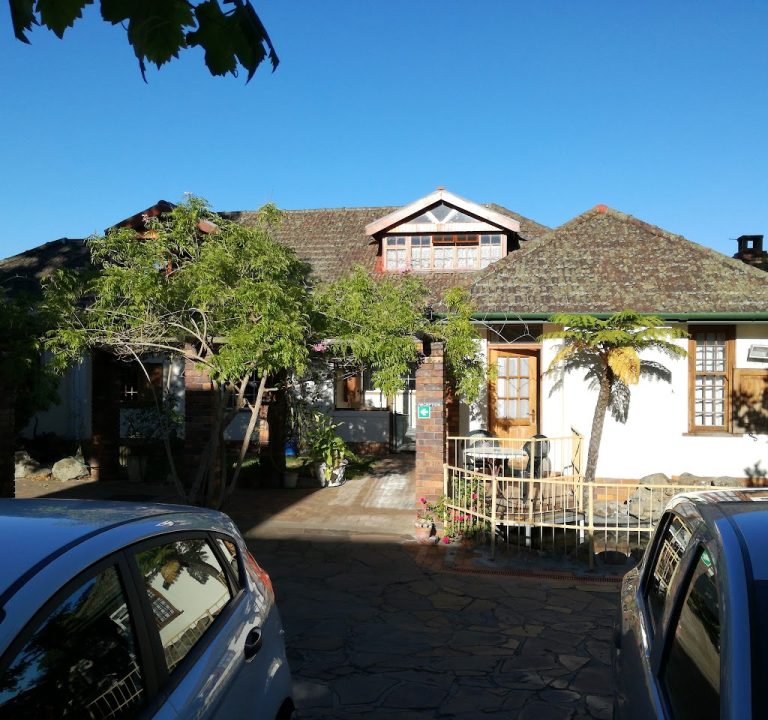
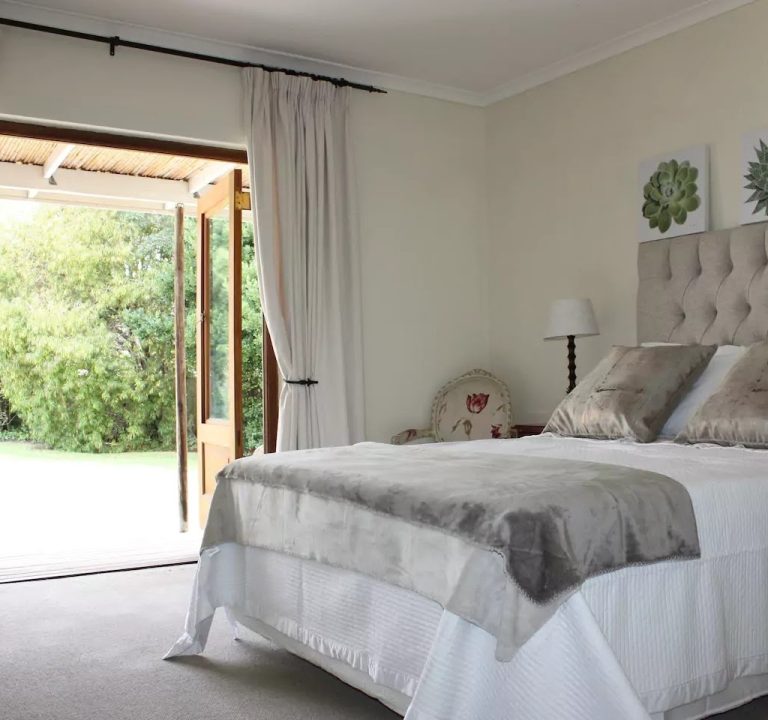
Kigoli House is a Places establishment in Cape Town, Western Cape, South Africa
Cape Town
Western Cape
7806
South Africa
Cape Town Accommodation and Planning Your Stay: Where to stay, what to expect, and how to enjoy the city
Cape Town, in the Western Cape of South Africa, offers a diverse range of places to lay your head, from elegant boutique stays to family-friendly guesthouses and modern high-rise hotels. When planning a visit, think about what you want from your base: coastline views, easy access to sights, a lively dining scene, or a quieter neighbourhood with charm. One appealing option is Kigoli House, a guesthouse-style stay that exemplifies the personalised service and homely feel many travellers seek in this city.
Areas to consider. The City Bowl and central waterfront provide immediate access to sights, museums, and cafés, with pockets of characterful accommodation in historic buildings or contemporary boutique hotels. The Atlantic Seaboard, including Camps Bay and Clifton, is celebrated for dramatic sea views, white-sand beaches, and stylish eateries, though it can be pricier in peak season. Constantia and the Southern Suburbs offer leafy tranquillity, wine-tasting routes, and easy access to Kirstenbosch Botanical Garden. For a more authentic neighbourhood vibe, places in Woodstock, Observatory, and Green Point often deliver excellent value and convenient transport links. Decide whether you want dramatic scenery on your doorstep, or a bustling urban hub with quick routes to the mountain and the shore.
What to look for when booking. A few practical considerations can save time and improve your stay. Check the exact location relative to public transport or parking—if you’re driving, look for easy access to main roads and reasonable on-site or nearby parking. Consider the type of accommodation: a guesthouse or B&B may offer breakfast and a more intimate atmosphere, while hotels range from practical to luxurious with a wider range of amenities. If you plan to work or stream content, confirm strong Wi‑Fi; families may value self-catering facilities or multiple bedrooms. For sea- or mountain-view rooms, confirm whether the view is from the room itself or from shared spaces like balconies or terraces. Read cancellation and refund policies carefully, especially if you’re booking during peak travel periods. Finally, check whether the listing notes safety features, 24-hour reception, or staff available to assist with local recommendations and travel arrangements.
Typical amenities to expect. Cape Town accommodation spans the practical to the indulgent. Common essentials include secure parking or easy public transport access, reliable Wi‑Fi, and well-equipped bathrooms. Breakfast may be included in boutique stays, or available as an optional extra. Many properties offer private balcony or patio areas, especially in the coastal districts, along with in-room heating or air conditioning. Laundry facilities, on-site cafés, and in-room tea and coffee provisions are popular as well. For families or longer stays, look for self-catering kitchens or kitchenettes, washing facilities, and ample storage. If fitness is important, check whether a property has a gym, pool, or easy access to outdoor spaces for running or walks along the coast or mountain trails.
Transport and getting around. Cape Town’s hilly terrain and mixed transport options mean planning transport helps save time. The MyCiTi bus network is convenient for trips around the city and to the Waterfront; taxis and ride-hailing services are widely available. If you’re staying in the Atlantic Seaboard or the City Bowl, walking and short rides can be rewarding routes, letting you soak up the atmosphere and discover small cafés and local arts. For day trips to wine country or to the Cape Peninsula, consider hiring a car or booking organised tours—planning ahead avoids busy peak times and ensures access to scenic viewpoints and more remote beaches.
Best time to visit. Cape Town enjoys a Mediterranean climate with warm, dry summers and mild, wetter winters. The peak tourist season is from late spring through summer (roughly November to February), when beaches are busiest and events abound. Spring and autumn (September to November and March to May) can be excellent for fewer crowds while still benefiting from pleasant weather. If you’re chasing coastal colours or hiking conditions, plan around sea winds and mountain weather, which can shift quickly. The city’s natural beauty is year-round, but be mindful of peak pricing and crowds in the busiest months.
Practical tips for a smooth stay. Plan your daily routes to pair high-demand sights with nearby eateries or cafés to minimise backtracking. Pack layers: mornings and evenings near the coast can be cooler than midday, and a light rain jacket is handy in shoulder seasons. Budget time for iconic experiences that require reservations or permits, such as guided tours of Table Mountain or access to certain viewpoints. When dining out, try a mix of casual eateries, markets, and recommended restaurants to sample the city’s varied influences without overplanning. For safety, stay in well-reviewed areas, especially after dark, and use reputable transport options or hotel-arranged services. If you’re exploring with a vehicle, be mindful of parking rules and secure storage for valuables. Finally, keep a flexible mindset—Cape Town rewards those who leave space for spontaneous coastal walks, sunset views, and discovering a tucked-away café or market off the beaten path.
Attractions and experiences in broad terms. Visitors typically combine natural wonders with cultural and historical experiences. The city’s setting offers dramatic panoramas from mountain to sea, accessible via cable car, scenic drives, or short hikes. Notable experiences often emphasise outdoor beauty, local markets, and artful dining concepts that showcase South African cuisine and hospitality. Western Cape landscapes extend beyond the city, making day trips to wine lands, dramatic coastal roads, and nature reserves appealing for varied interests. Restaurants reflect a broad spectrum—from relaxed bistros and seafood spots to modern, wine-country eateries—creating a vibrant dining scene that pairs well with a restful base in Cape Town.
In summary, Cape Town is a destination where the choice of base can shape the entire stay. Whether you favour a stylish boutique retreat with harbour views, a family-friendly guesthouse in a leafy suburb, or a chic hotel near the V&A, thoughtful planning—focusing on location, amenities, transport, and cooling downtime—will help you make the most of your visit. With Kigoli House as a reference point for intimate hospitality, travellers can anticipate personalised service, comfortable spaces, and easy access to the city’s unique blend of landscapes, markets, and memories waiting to be made.
Sorry, no records were found. Please adjust your search criteria and try again.
Sorry, unable to load the Maps API.
Why Claim Your Listing?
Claiming your listing on the B&B Finder directory website is a valuable opportunity for business owners. Here are five reasons why you should consider claiming your listings:
Control Over Business Information: By claiming their listing, business owners can ensure that all the information presented is accurate and up-to-date. This includes details such as contact information, address, pricing, and available services or amenities. Accurate information helps prevent customer confusion and improves overall satisfaction.
Enhance the Listing: Once a listing is claimed, owners can enhance it by adding more comprehensive information and rich media, like high-quality photos and videos. These additions can make the listing more attractive and engaging to potential customers, thereby increasing the likelihood of bookings.
Marketing Opportunities: Claiming a listing can also open up additional marketing opportunities. Owners may be able to participate in promotional campaigns, special offers, and other marketing activities organized by the directory. This can increase visibility and attract more customers to the business.