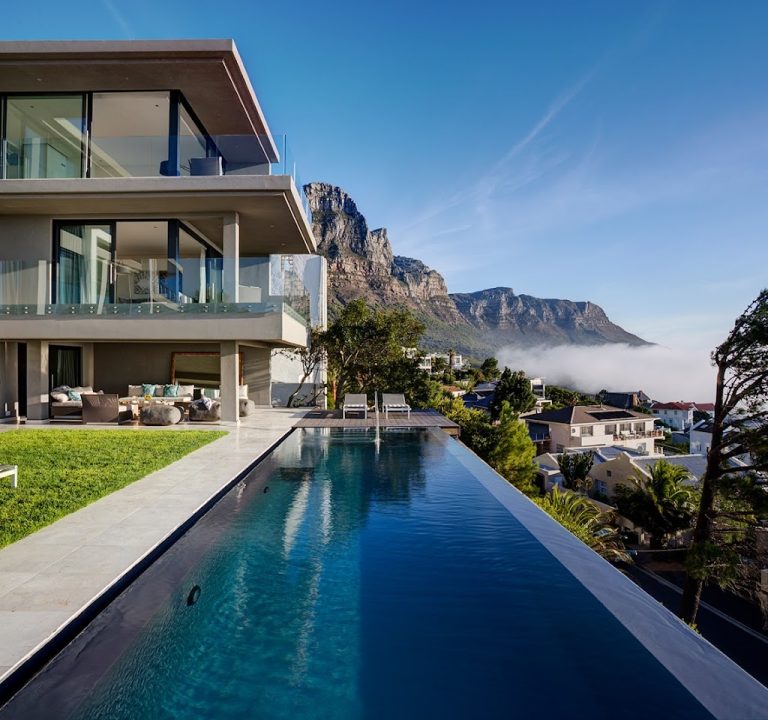
Finding the right stay in Cape Town: accommodation ideas, planning tips and local highlights
Cape Town offers a diverse mix of places to lay your head, from stylish city apartments and boutique guesthouses to coastal villas and family‑friendly lodges. When planning a stay, consider how you want to move around the city, what scenery you wish to wake up to, and how much time you’ll spend exploring outdoor attractions versus indoor cultural experiences. The city is well connected by standard road transport and reliable public options, but many visitors prefer a base that minimises daily commute while keeping easy access to main sights.
Areas to consider for your accommodation include the buzz of the City Bowl, where many central hotels, apartments and guesthouses put you within walking distance of museums, galleries and restaurants. Green Point and the V&A Waterfront offer all‑weather appeal with harbour views and convenient access to tours and ferries. The Atlantic Seaboard, including Camps Bay and Clifton, is ideal for those seeking sea views and a more relaxed, upmarket vibe, often with close proximity to beaches and fine dining. For a more relaxed, family‑friendly or wine‑country stay, Constantia and surrounding valleys provide leafy streets, larger properties and easy access to wine estates. If you’re after a truly local experience, inner‑city guesthouses and small boutique hotels tucked away in quiet lanes can provide a distinct Cape Town flavour while still being practical for day trips.
When choosing a stay, look for practical amenities that suit your itinerary. A fully equipped kitchen or kitchenette is a boon for families or longer breaks, while reliable Wi‑Fi and a comfortable work area help guests who combine travel with occasional remote work. Good air conditioning or heating is important for Cape Town’s dry, hot summers and cooler evenings in winter. Secure parking or easy access to parking facilities can be essential if you plan to hire a car. A convenient location near public transport routes, taxi services or ride‑hailing options will save time on daily excursions. Many self‑catering apartments and holiday homes advertise flexible check‑in procedures and clear self‑check‑in instructions, which can be particularly helpful when travelling with luggage or a late arrival schedule.
Typical amenities to expect in well‑recommended properties include comfortable beds with quality linens, a well‑equipped kitchen or kitchenette, en‑suite bathrooms, and well‑lit living spaces. Some properties offer curated local guides, street‑level access to neighbourhood markets, or recommendations for kid‑friendly activities. If you are seeking a tranquil harbour or hillside outlook, you may prioritise views, outdoor spaces such as balconies or terraces, and proximity to walking trails or parks. For shorter city breaks, a property near the central business district or waterfront can streamline morning routines and allow more time for sightseeing.
To help you plan your itinerary, consider combining time in a city‑centre stay with day trips to natural attractions. Cape Town is framed by iconic table‑top hikes and viewpoints, with easy possibilities for cable‑car access to a broad panorama. Outdoor lovers may plan a morning trail and a mid‑afternoon return to a pool or shaded terrace. Cultural experiences are layered throughout the city, from markets and craft stalls to museums and galleries that illuminate South Africa’s rich history. For a taste of the local scene, expect a food‑forward approach in many neighbourhoods, with casual bistros, modern South African eateries and seafood focused options near coastal areas. Restaurants often emphasise seasonal produce and regional wines, with menus that reflect a blend of global influences and Cape flavours.
Best time to visit Cape Town varies with weather and crowd preferences. The spring and autumn shoulder seasons tend to offer mild temperatures and fewer tourists, while late summer to early autumn provides longer days and reliable sunshine, perfect for outdoor activities. Although Cape Town can be warm in summer, urban beaches can be breezy, and evenings can be cool, so packing layers is sensible. If you are planning to visit popular sights such as Table Mountain or Robben Island, consider booking ahead or checking local guidance for peak times and any accessibility notes, especially for family trips or travellers with mobility considerations.
Practical tips to help you get the most from your stay:
- Book accommodation in advance during peak season, and look for properties with flexible cancellation policies.
- Choose a base with easy access to public transport or walkable routes to major sights to maximise time for exploring.
- Check for essential amenities like a reliable Wi‑Fi connection, a well‑equipped kitchen, and secure parking if travelling by car.
- Pack for a range of weather, as coastal easterlies can bring cooler evenings even in warm months.
- Use reputable sources for dining and activity recommendations, and balance days with a mix of outdoor time and cultural experiences.
- For a unique option, consider staying in a holiday apartment such as Kettle’s House or similar properties that offer a home‑from‑home experience and local insider tips.
From a comfortable city stay to a scenic coastal retreat, Cape Town offers a broad spectrum of accommodation choices aligned with all travel styles. Whether you prioritise a calm hillside apartment, a stylish hotel near the Waterfront, or a lively urban flat, planning with areas in mind, prioritising sensible amenities and transport options, and pacing your days with a mix of nature and culture will help you enjoy a memorable, well‑balanced visit to the Western Cape’s most celebrated city.