Staying in Hopefield, Western Cape: accommodation, attractions and tips for travellers
Hopefield sits in the Swartland region of the Western Cape, a relaxed gateway to rural Cape countryside, orchards and farms. A stay here offers a slower pace and a chance to explore the broader West Coast hinterland, with easy day trips to coastal towns and rolling farmlands. When planning a visit, think about how you want to balance quiet inland scenery with nearby activities, as Hopefield can be a convenient base for a multi-day rural itinerary.
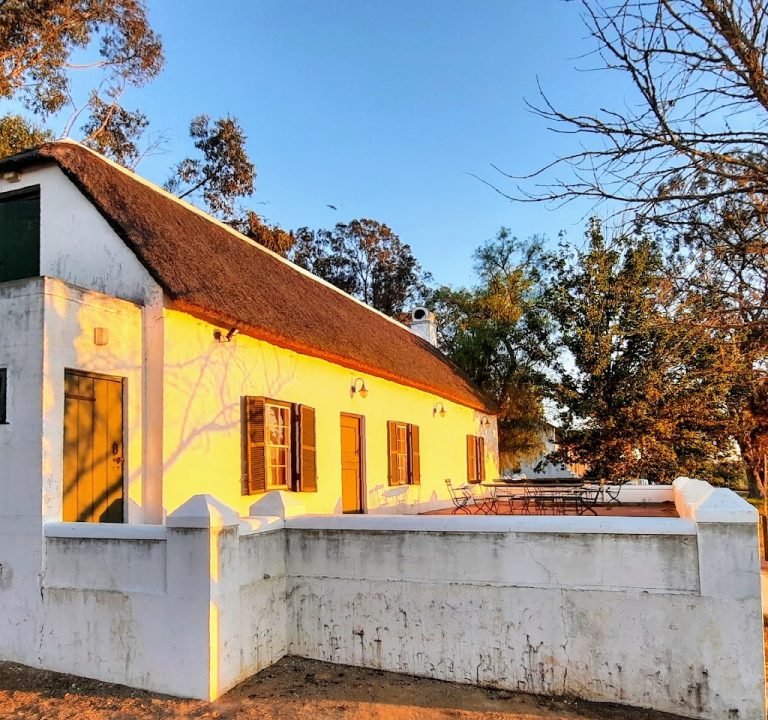
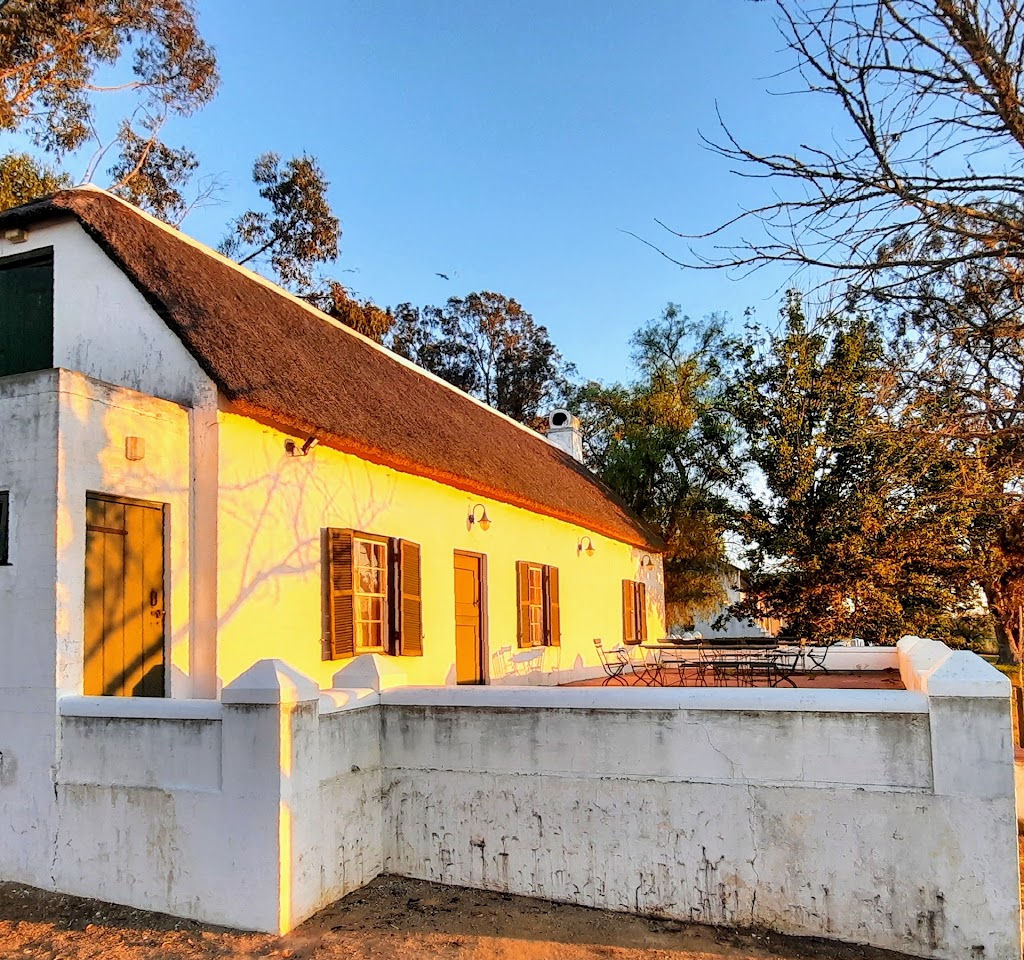
Accommodation in and around Hopefield ranges from traditional farm stays to guesthouses and self‑catering options. One notable example is Kersefontein Guest Farm, which exemplifies the farmstay style: welcoming hosts, countryside views and the chance to experience farm life while enjoying comfortable rooms or cottages. Such properties often blend a sense of place with practical comforts, making them well suited to families, couples and travellers who value space and a connection with the land. When searching for a place to stay, consider the following.
- Location within the area: decide whether you prefer a more central Hopefield setting or a quieter farmstead a short drive away. Proximity to main roads can influence driving time to day trips and activities.
- Type of accommodation: guesthouses or B&Bs for social breakfasts and local tips, self‑catering cottages for flexibility, or full farmstays that include farm‑experience elements.
- Room configuration and amenities: en‑suite bathrooms, kitchen facilities, heating or air conditioning, reliable Wi‑Fi and secure parking are common priorities.
- Meal options: check whether breakfast is included, if there are on‑site restaurants, or if you’ll be self‑catering. Some farm stays may offer continental breakfasts or home‑cooked evening meals on request.
Typical amenities you may encounter include comfortable beds, outdoor seating with views of vineyards or fields, and a focus on creature comforts that still respect the rural setting. Many farms in the Western Cape also offer outdoor spaces such as patios, braai facilities, and garden areas where you can relax after a day of exploring. If you’re travelling with children, look for family‑friendly arrangements, such as larger suites, play spaces, or nearby outdoor activities.
Transport in and around Hopefield is usually car‑centred. Having your own vehicle makes it easier to explore the surrounding farmland, followed by short drives to neighbouring towns and coastal destinations. Roads are often scenic but rural, so a slow pace and careful planning are advised. If you’re flying in for a longer stay, consider renting a car at your arrival point to maximise flexibility for day trips to places like coastal towns, nature reserves, or wineries in the wider Swartland region.
The best time to visit can depend on what you want from your trip. Spring and autumn bring mild temperatures ideal for outdoor walks, farm experiences and wine‑or olive‑related activities. Summer (late November to February) can be warm, with longer daylight hours, making it pleasant to explore the countryside, while winter offers cooler days that are comfortable for relaxed strolls and indoor tastings at nearby farms or eateries. If you’re planning a coastal day trip, the West Coast can offer bracing sea air and dramatic seascapes, especially when linked with inland farm experiences in the same itinerary.
Attractions in and around Hopefield are best enjoyed as part of a relaxed, multi‑stop plan. Expect rural landscapes, farmland viewpoints, and opportunities to learn about local agricultural practices. Nearby, you can encounter agricultural producers and markets where seasonal produce is showcased, providing a sense of the local food culture without the bustle of larger cities. For those interested in natural scenery, shorter nature walks or scenic drives can reveal bountiful viewpoints, with less crowding than more famous coastal destinations. While exact venues and opening times vary, most travellers enjoy combining a stay with occasional visits to nearby towns, olive or wine estates, and countryside eateries that celebrate regional produce.
Dining in Hopefield and the surrounding Swartland area tends to emphasise fresh ingredients and straightforward, hearty dishes. Expect rustic bistros, farm‑to‑table offerings and countryside‑style cafés where locally produced fruit, vegetables and olive oils feature prominently. When planning meals, it’s useful to check opening hours in advance and be prepared for a slower rural pace—some smaller establishments may close mid‑week or outside peak season. If you prefer cooking for yourself, many farmstay properties provide kitchen facilities and outdoor cooking spaces that invite a relaxed, sociable evening under the stars.
Practical planning tips for a successful stay in Hopefield:
- Book early in peak seasons if you want a particular farmstay or guesthouse, especially over school holidays and weekends.
- Confirm accessibility and parking arrangements, particularly if you are travelling with luggage or require space for a vehicle with roof racks.
- Ask hosts about local recommendations: short walks, farm experiences, markets or seasonal events can enrich your visit.
- Plan light travel days with scenic drives and flexible timings to accommodate occasional delays or weather changes.
- Pack layers for fluctuating temperatures and bring sturdy footwear for rural paths and farm tracks.
For further information and to browse accommodation options, you can visit the Kersefontein Guest Farm website. It offers an example of the warm, welcoming style travellers can expect from a farmstay in this part of the Western Cape: http://www.kersefontein.co.za/