Durban: A Traveller’s Guide to Where to Stay and What to Do
Durban, a vibrant harbour city on KwaZulu-Natal’s south coast, offers a mix of warm Indian Ocean beaches, cultural heartland and a thriving dining scene. When planning a stay, consider how you want to balance beach time with city exploration, and choose a base that puts you close to the experiences you value most. From elegant seaside guesthouses to modern hotels, Durban’s accommodation options are as varied as the city’s neighbourhoods.
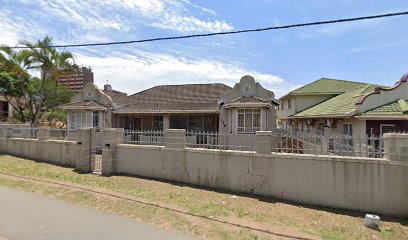
For those seeking a classic coastal experience, the beachfront areas along the Golden Mile and the Point offer easy access to long, sandy stretches, promenades, and family-friendly attractions. If you prefer a more intimate, design-led stay, areas such as Berea and Morningside provide leafy streets, boutique hotels and guesthouses with a distinctly neighbourhood feel. For a cosmopolitan vibe with easy access to dining and nightlife, the central business district and the popular Umhlanga and La Lucia precincts deliver convenience and modern comforts. Kennedy Guest House, a well-regarded option in Durban’s hospitality scene, exemplifies how a thoughtfully curated property can feel like a home away from home, with a focus on comfort, attentive service and stylish, comfortable spaces.
Key things to look for when booking include:
- Good location relative to activities you plan to enjoy (beach access, markets, or cultural venues).
- Clear information about parking and transport links (availability of on-site parking, proximity to taxi services or rideshare options).
- Wi‑Fi reliability, room configuration (king or twin beds, ensuite bathrooms) and climate control for Durban’s warm climate.
- Breakfast options (whether continental, full breakfast or à la carte) and available kitchen facilities if you prefer self-catering.
- Guest reviews that note cleanliness, staff friendliness and responsiveness to guest needs.
Typical amenities you may encounter range from private en-suite bathrooms and air conditioning to swimming pools, sun terraces, and in-house restaurants or bar facilities. Many properties offer secure parking, laundry services, and personalised recommendations for local experiences. If you are visiting with family, look for family rooms or suites, child-friendly facilities, and easy access to beaches or parks. For business travellers, check for quiet workspaces, reliable Wi‑Fi, and proximity to business districts or transport hubs.
Transport in Durban is generally straightforward but planning ahead saves time. The city’s coastal location means you can easily drive along the main routes to reach Umhlanga’s newer developments, or to head into the city centre. Uber and local taxi services are widely available, and some hotels offer shuttle services to key attractions. If you plan to explore beyond the city, it’s worth renting a car to reach the Valley of a Thousand Hills, nature reserves, and more remote areas. Public transport exists, but timetables can be less reliable than you might expect, so factor extra time into longer day trips.
The best time to visit Durban is during its warm subtropical seasons. November to March bring long days, light clothing and beach-friendly weather, though you should be prepared for occasional tropical showers. Autumn (April and May) remains pleasant and slightly cooler, ideal for exploring outdoor markets or hiking in surrounding hills. If you are aiming to avoid peak crowds, shoulder seasons offer more breathing space while still providing enjoyable weather.
When planning a stay, think about how much time you want for the city’s biodiversity, culture and cuisine. Durban’s attractions cover family-friendly venues, wildlife encounters, historic sites and maritime experiences. If you enjoy the outdoors, you might structure days around beach walks, visits to coastal parks, or scenic drives to the inland hills. Cultural experiences—whether markets, live music venues, or craft workshops—offer glimpses into KwaZulu-Natal’s rich heritage, and many eating districts showcase a range of culinary influences, from traditional South African dishes to modern fusion cuisine.
Accommodation and activities can be loosely balanced into three themes: a relaxed beach base with easy poolside days; a city-centric stay with convenient access to restaurants and nightlife; or a nature-and-culture itinerary starting from a well-positioned lodge or guesthouse. A practical approach is to pick a primary area for your stay—beachfront for sun and sea, Berea for leafy streets and boutique stays, or Umhlanga for modern conveniences—then allocate day trips to nearby attractions. For example, you could anchor your trip with a comfortable base in a guesthouse such as Kennedy Guest House, enjoy restful days by the pool, then plan one or two longer excursions to inland or coastal spots during your stay.
Restaurants in Durban range from casual beachfront eateries to refined dining rooms. Expect menus that celebrate seafood, Indian-influenced flavours, and contemporary South African cuisine. Rather than focusing on specific venues, look for places that offer coastal seafood, vibrant markets for fresh produce, and venues with a variety of options to suit different tastes and dietary requirements. Booking ahead is wise during peak seasons, and many places post menus and hours online so you can plan your culinary itinerary in advance.
In summary, Durban rewards travellers who blend a comfortable base with thoughtful planning. Choose a location that matches your pace—whether you want easy beach access, easy city exploration, or a short drive to scenic landscapes. Prioritise amenities that matter most to you, keep transport in mind, and pace your days to enjoy both the sun-drenched coast and the city’s warm, multicultural energy.